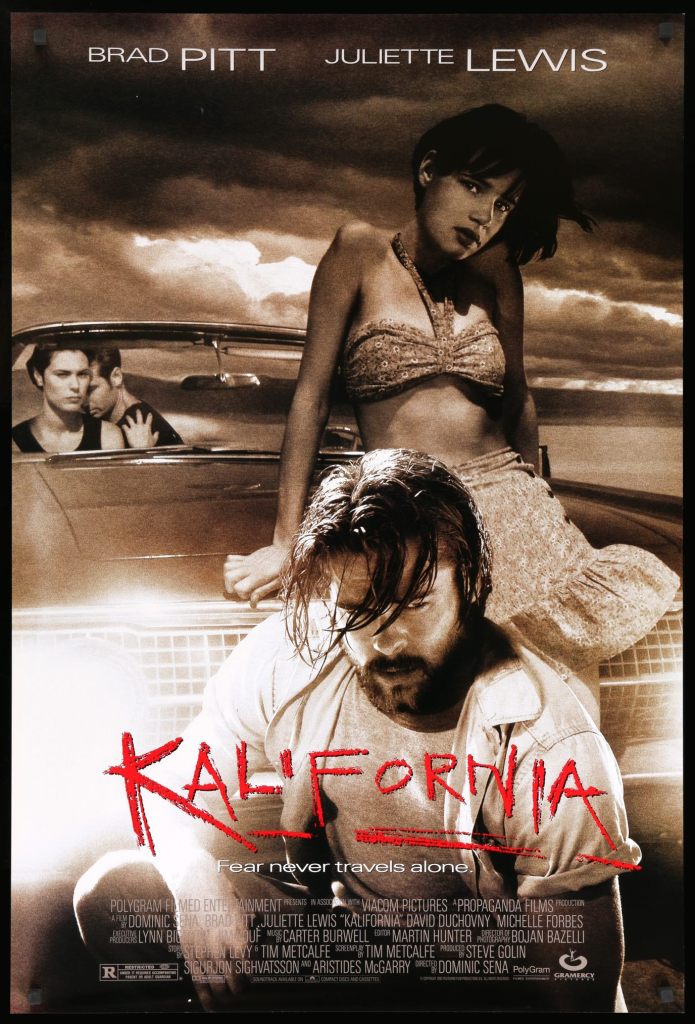
Kalifornia (1993)

DailyView: Day 186, Movie 268

This is the second movie that I watched thanks to the Barbarian-Paul Oyama Movie trivia Schmoedown match. This was Oyama’s 5-point question that he did not know. I have always been intrigued by serial killers and I love David Duchovny, so Kalifornia seemed like a perfect film to watch during the DailyView, here on the last day of October.

Brian Kessler (David Duchovny), a journalist researching serial killers for a book he wanted to write, and his photographer girlfriend Carrie (Michelle Forbes) started on a road trip to investigate famous scenes of murder on their way to California. In order to cut down on the cost of gas, they were going to have another person who wanted to head to California ride with them to share costs.

Unfortunately for them, the pair they brought with them were Early Grayce (Brad Pitt), a paroled criminal, and his naïve girlfriend Adele (Juliette Lewis). Early turned out to be more violent than Brian thought and he started to show it as they travelled across country.

The interactions between the four main characters is the strength of the film. The story is simple because the film is truly character driven. The performances are excellent. Brad Pitt is completely believable as a psychotic killer going out of the way to do what he wants to do. His relationship with Adele is both frightening and sad at the same time. Adele is so full of naivety and cannot see (or chooses not to see) the truth behind Early.

It was fascinating as well to see the charisma of Early as Brian started to bond with him and become a little like him. Before he understood how horrible Early actually was, Brian was willing to follow Early and listen to everything he said. Carrie picked up the vibe from Early earlier than any of the other characters.

The final section of the film is tense and anxiety filling. The performances are excellent and the character development is spot on. It is much better of a film than I thought it was going to be.

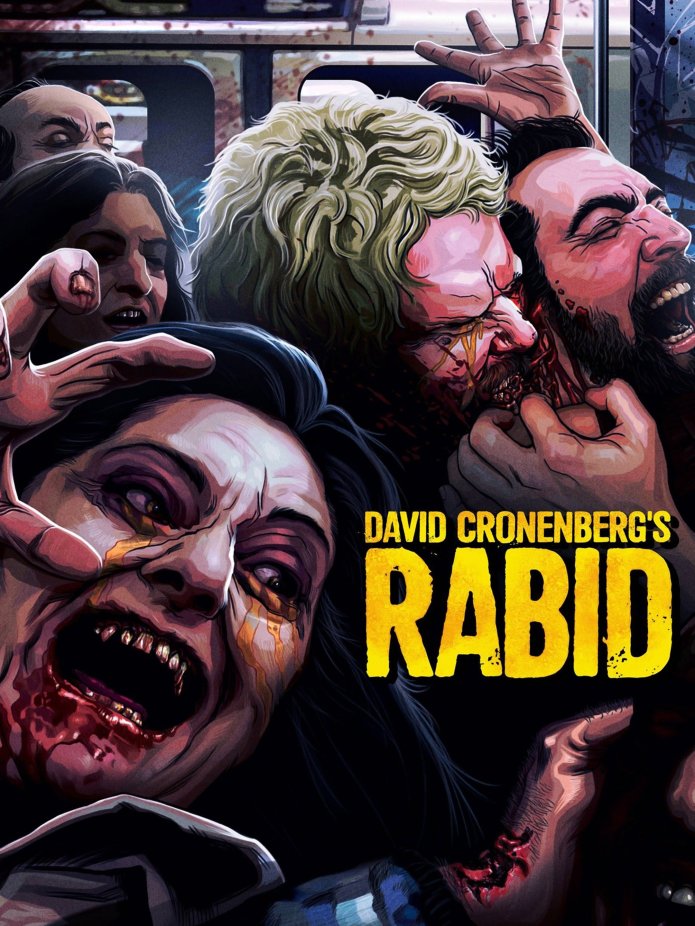
Rabid (1977)

DailyView: Day 185, Movie 267

David Cronenberg wrote and directed this independent 1977 Canadian body horror film, Rabid, which I found on HBO Max to continue the October section of the DailyView.

After a terrible motorcycle accident, Rose (Marilyn Chambers) ended up in a coma at Keloid Clinic for Plastic Surgery. Unable to transport her to a more conventional hospital, Dr.  Dan Keloid (Howard Ryshpan) tried a radical procedure with skin graphs. Rose remained in a coma for a month, while her boyfriend Hart (Frank Moore) attempted to go back to his normal life.

When Rose comes out of her coma, she attacks a man and an orifice in her armpit sucks blood from him. He is infected with some kind of strain of virus that turned him into a mindless vicious creatures looking to bite others.

Marilyn Chambers is a well-known porn actress and was cast in the lead role, reportedly, when Cronenberg could not get Sissy Spacek to play the role. While she made an attractive lead and she was clearly comfortable moving around the film without any clothes on, Chambers was anything but an accomplished actress and brought the film down because of it. Her character was really nothing more than a blonde woman attacking people. There is little to no character development in any area of the film. That might be fine for a slasher film, but this has a feel as if it wants to be more.

Some of the scenes of the film that dealt with the spread of the disease and how the medical profession was struggling to deal with it seemed to strike close to home with the pandemic that we just went through. Of course, this was more shocking and cinematic, but it still had an uncomfortableness to it.

The ending is meant to try and bring some connection to Rose and the audience, but it does not work since there has been so little details provided to who Rose really is. It only serves to provide Frank Moore a chance to over act.

Basically, this is a apocalyptic zombie film that spends most of its time with shock moments and bloody imagery. There is not much of a story and less character development. Performances range from okay to poor and the film seems fine with that. If you are looking for a monster movie without any extra touches, Rabid is passable.

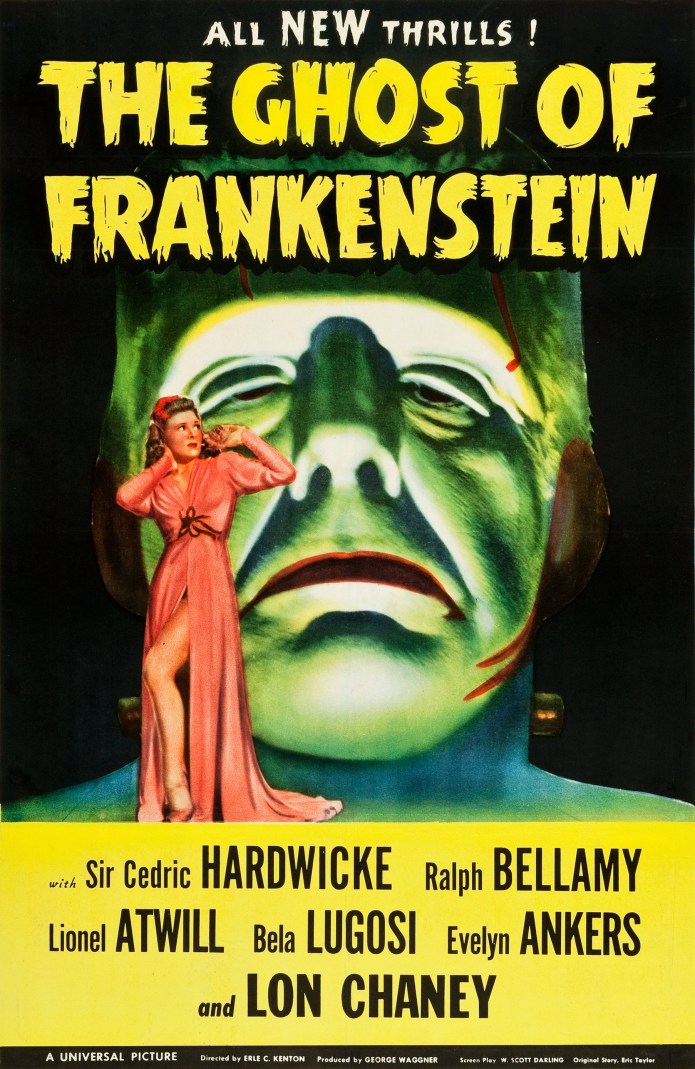
The Ghost of Frankenstein (1942)

DailyView: Day 184, Movie 266

I was watching the Movie Trivia Schmoedown singles tournament match-up between The Barbarian and Paul Oyama today and Oyama spun the category of Movie Monsters in the Wheel Round (Round 2). One of the questions of the round was from the movie, The Ghost of Frankenstein, which I had not heard of. Oyama missed the question and the Barbarian failed to steal it. That made me curious about the movie so I headed over to Vudu to rent the Universal Monster film.

There have been a bunch of Frankenstein movies since the original in 1931. In fact, The Ghost of Frankenstein was the fourth film in the franchise and it continued on from the previous films.

The Monster was now being played by monster movie icon Lon Chaney Jr, who was known from his titular roles in The Mummy and The Wolf Man. Another monster icon, Dracula himself, Bela Legosi, played Ygor, the former lab assistant/henchman of Victor Frankenstein. Dr. Ludwig Frankenstein (Cedric Hardwicke) was the second some on Henry Frankenstein and was approached by Ygor to help.

The villagers had blamed all of their problems on the Frankenstein name and they went to destroy the Frankenstein castle. However, their attempt to blow up the castle only served to free the Monster from its tomb, bringing it back to life. Ygor, who had been protecting the Monster for years, helped the Monster escape from police custody.

The Monster had inadvertently killed several bystanders during his rampage and the crowd was becoming angry at the failure of law enforcement at stopping the Monster. The town prosecutor, Erik Ernst (Ralph Bellamy), who was engaged to Ludwig’s daughter, tried to keep the crowd from becoming a lawless mob.

Meanwhile, Ygor had brought the Monster to Ludwig who figured out that the brain that had been put in the Monster at its rebirth was the brain of an evil person. Ludwig had decided to attempt to change that fact, by transplanting the brain of his friend, Dr. Kettering (Barton Yarborough), who the Monster had killed, into the Monster’s head. Ygor did not agree with this plan and wanted to have his own brain transferred into the Monster’s head. With the help of Dr. Theodore Bohmer (Lionel Atwill) and without the knowledge of Ludwig, Ygor succeeded.

Ygor was shown to be a manipulator and Bela Legosi played the role with all the gusto you would expect from him. While Cedric Hardwicke was fairly unremarkable as Ludwig, the Monster and Ygor stood out, showing the skill of these iconic horror actors.

I would have liked for the final struggle of the Monster be a little more played out. Once the brain surgery was over, it ended fairly quickly after that. Perhaps we could have lived with Ygor as the Monster for a little bit before the film came to an end. At a sparse 68 minutes, The Ghost of Frankenstein did not wear out its welcome.

Still, it was a fun watch and it had some great work, especially from Bela Legosi. It was a decent film that flew by, even if it may have needed another 15-20 minutes.

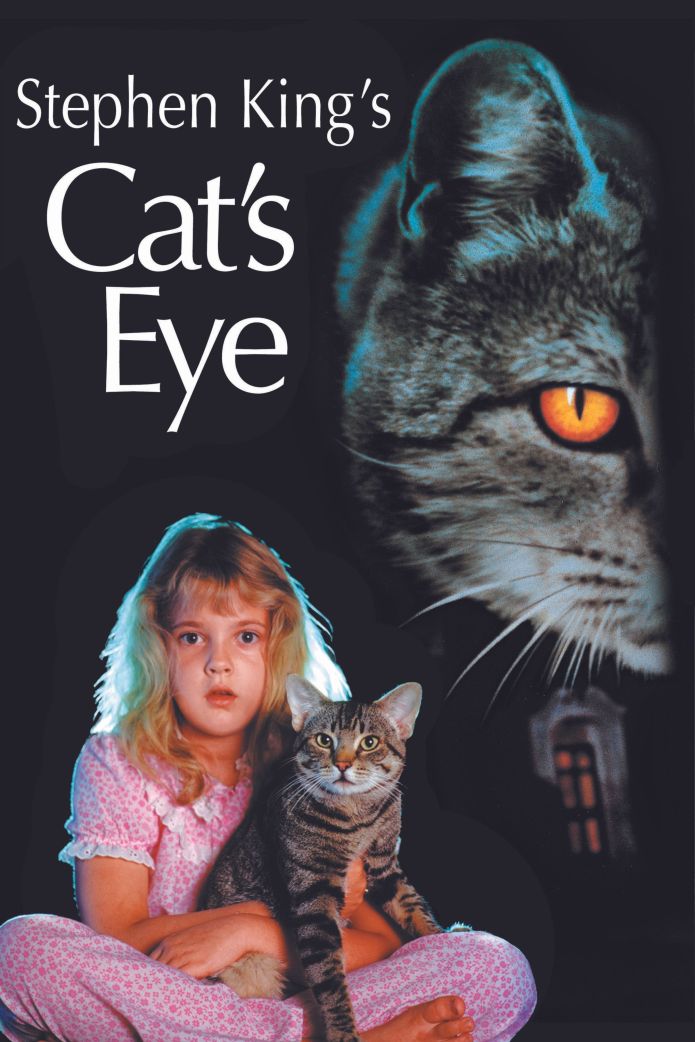
Stephen King’s Cat’s Eye (1985)

DailyView: Day 183, Movie 265

Stephen King is one of the best horror writers of all time. He has had plenty of his stories and books adapted into classic movies. Then there are some that I never knew about before. I came across one of these on HBO Max as I was searching for a good film for the DailyView (October). It was called Stephen King’s Cat’s Eye and it was an anthology movie with three stories, two base don existing Stephen King short stories and the third one written by the author specifically for the movie.

A tabby tomcat was a link between the three stories, with the cat being a major character in the third story.

Story one was called “Quitter’s, Inc.”. It followed the story about smoker Dick Morrison (James Woods) who approached a clinic that specialized in helping individuals stop smoking, using some unexpected methods. Led by Dr. Vinny Donatti (Alan King), the intimidation methods were drastic and made me dislike him dramatically.

“Quitter’s, Inc” was my least favorite of the three installments because of the things that Donatti pulled without any consequences for his sins. There was no irony involved and he completely gets away with everything.

Second story was called “The Ledge”, which was my favorite of the three stories, by far. The tomcat escaped from Quitter’s Inc and found his way to Atlantic City, New Jersey where he gets picked up by crime boss Cressner (Kenneth McMillan). Cressner’s wife was involved in an affair with former tennis pro Johnny Norris (Robert Hays). As Norris put Cressner’s wife on a bus, he was snatched and kidnapped by Cressner. Cressner, who would bet on anything, tells Norris that if he could walk around the building on a tiny ledge without falling to his death, he would be let go, given the money and the woman.

This story was tense and anxious as Robert Hays worked his way around the building, being taunted and distracted by Cressner, pigeons that peck at his foot, and parts of the building falling off.

The story was so great and the conclusion of the story was the perfect ironic moment. I found this one very satisfying.

The third story, originally written by King for the movie, is called “General” which is what the little girl (Drew Barrymore) calls the tomcat, which had made its way to North Carolina. The little girl’s mother was not a fan of General, and claimed that the cat would kill their bird. Strangely enough, there was also a mini troll hiding in the little girl’s bedroom wall. The troll killed the bird, Polly, and the cat gets the blame.

This one is right in the middle between the first one and the second one. I was mad at the little girl’s mother (Patricia Benson) because she was so mean to the cat, even at the end, she felt to be barely putting up with the cat.

Then, General and the troll have a knock-down, drag-out battle that gets kind of silly near the end. There is a scene with a record player that is laughable. However, I think that was intentional instead of accidental. There are some funny moments in the movie and so I think the silly bits are excused.

Stephen King’s Cat’s Eye is fun and most of the stories are satisfying and enjoyable. I like where General ends up and I loved The Ledge. It is a solid King adaptation.

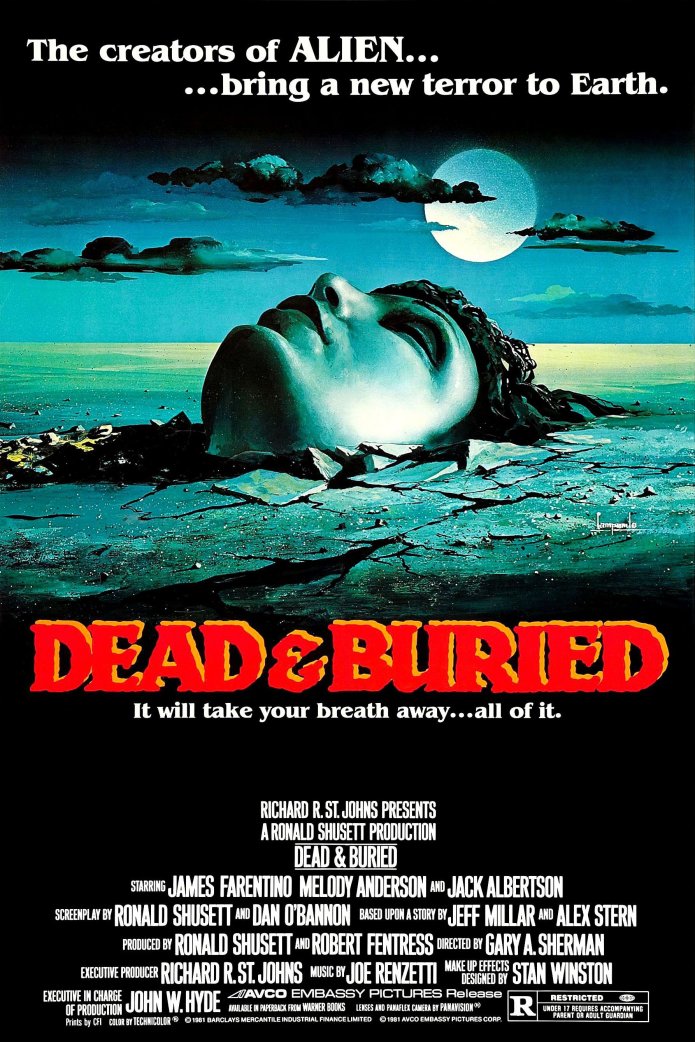
Dead & Buried (1981)

DailyView: Day 182, Movie 264

As October is coming to an end and Halloween is fast approaching, I am continuing to find interesting and different horror movies to fill the DailyView. Today, I watched the 1981 horror film from director Gary Sherman called Dead & Buried.

The small coastal town of Potters Bluff has become home to a series of murders of visitors to the town. Sheriff Dan Gillis (James Farentino) is on the case as the eccentric town mortician Dobbs (Jack Albertson) performs his art on the corpses to make them look presentable for the funerals.

However, the victims appear to be coming back, reanimated, and walking around the town as townspeople. Everything is complicated for Gillis as his wife, Janet (Melody Anderson), a local teacher, had begun to teach about black magic/ voodoo in her class.

Jack Albertson, who would die in reality six months after completing the film, gives a remarkable performance as the crazed mortician who has found a way to bring the people back from the dead, sort of. He was exceptionally creepy and frightening.

The entire atmosphere of the film is special as everything builds together to make Dead & Buried an uneasy film to watch. Between the manner in which the film was shot to the choice of the score, Dead & Buried offers a class in creating a mood for the audience to experience. It also contains a huge surprise that makes you reconsider the previous scenes of the movie.

With a distinct B-movie flavor to it, Dead & Buried feels like a movie that would gain a cult status and that is exactly what has happened. With a pre-Freddy Kruger cameo from Robert Englund, a harrowing performance form Jack Albertson, a slow burn that provides just enough morsels to keep the audience invested, Dead & Buried is a great example of horror in the 1980s.

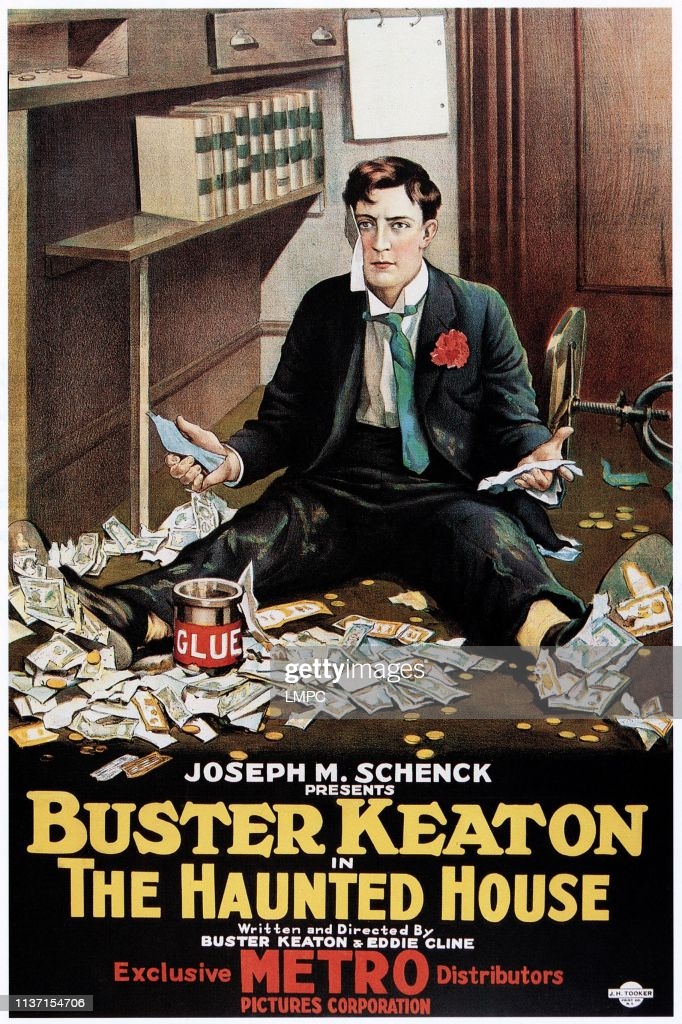
The Haunted House (1921)

DailyView: Day 181, Movie 263

The Charlie Chaplin silent short films have been a godsend during the DailyView. On those days where time is short or the day is packed with other activities, they have allowed me to successfully continue the DailyView. However, my options of Chaplin on HBO Max was coming to an end as I have exhausted the films. So yesterday, I went searching YouTube to see if I could find some more to use on days such as today. I was able to find several more Chaplin films, which was great, but I also came across a few from fellow silent film master, Buster Keaton. One of those was entitled The Haunted House, which seemed to fir in the October DailyView well.

Technically though, it felt more like a Scooby Doo mystery than any scary film. A group of counterfeiters tried to rob the bank where Keaton was a teller. They tried to pretend like the house was haunted to keep people away. Keaton encountered many of the “ghosts” of the house only to find out that the bank manager was involved in the plan. The bank manager hit Keaton on the head, knocking him out and giving him a dream where he went to Heaven and was then sent to Hell.

The story was short, of course, but it felt unresolved. After the dream, Keaton awoke and nothing else had been ended. I guess the bank manager and the robbers got away with their plan and Keaton just got the girl.

There was an extended scene with Keaton at the bank giving out money where he accidentally got glue all over the money. Everyone had trouble with the money sticking to their hands and sticking to other things. While the idea was funny, it lasted too long and became a bit monotonous.

I am very appreciative of these short films, but this one was not one of the better ones. I am excited to see more of Buster Keaton’s work as the DailyView continues, but I hope they are more original or have better comedic beats than The Haunted House.

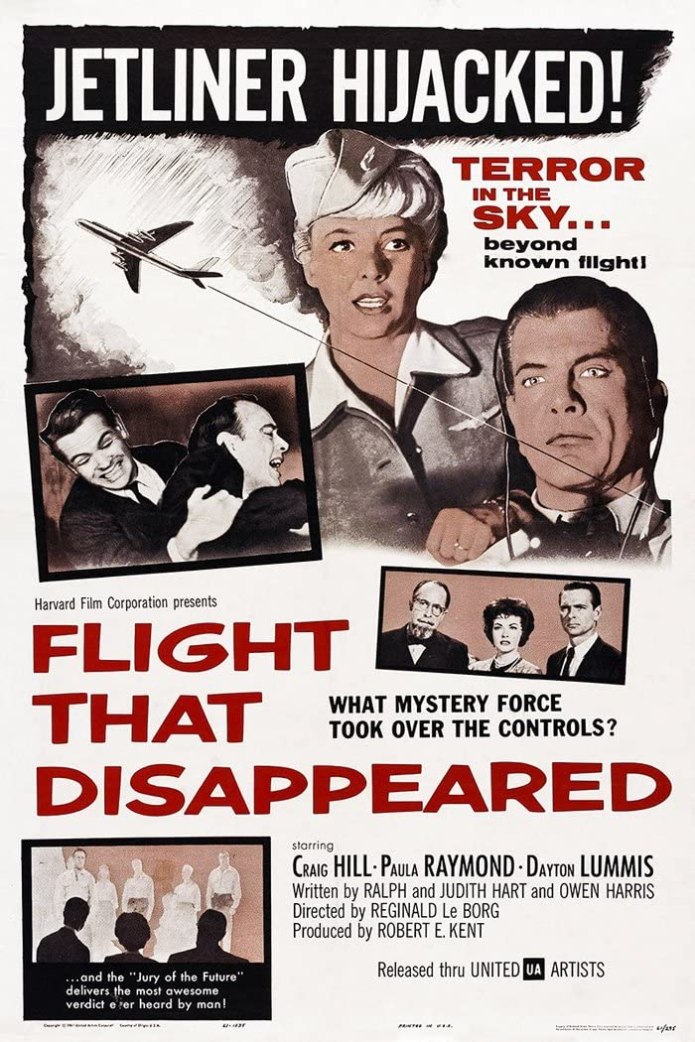
The Flight That Disappeared (1961)

DailyView: Day 180, Movie 262

Sci-Fi and Airplanes.

A low budget film from 1961 deals with an airplane that began climbing for no apparent reason. The controls were not in the pilot’s control and the passengers began losing consciousness from a lack of oxygen.

Coincidentally (or was it?), the airplane contained nuclear physicist, a rocket expert, and a mathematical genius who were on their way to Washington D.C. for a special meeting about a revolutionary new weapon.

Turned out the plane was being pulled into a fourth dimension by future beings who were never born because of the weapon that was to be created by the three of them. They were to be put on trial for their destructive crimes.

The film starred Craig Hill, Paula Raymond, and Dayton Lummis as our three defendants of the future.

The film did feel sort of preachy near the end as it was a film against the proliferation of nuclear weaponry from the 1960s, playing on the fears of the nation at the times. The story was more interesting during the mystery, before we knew what was happening to the plane. The resolution of the fourth dimension was quick and lacked any real development.

Overall, the film was fine, but I am not sure it will be memorable moving forward.

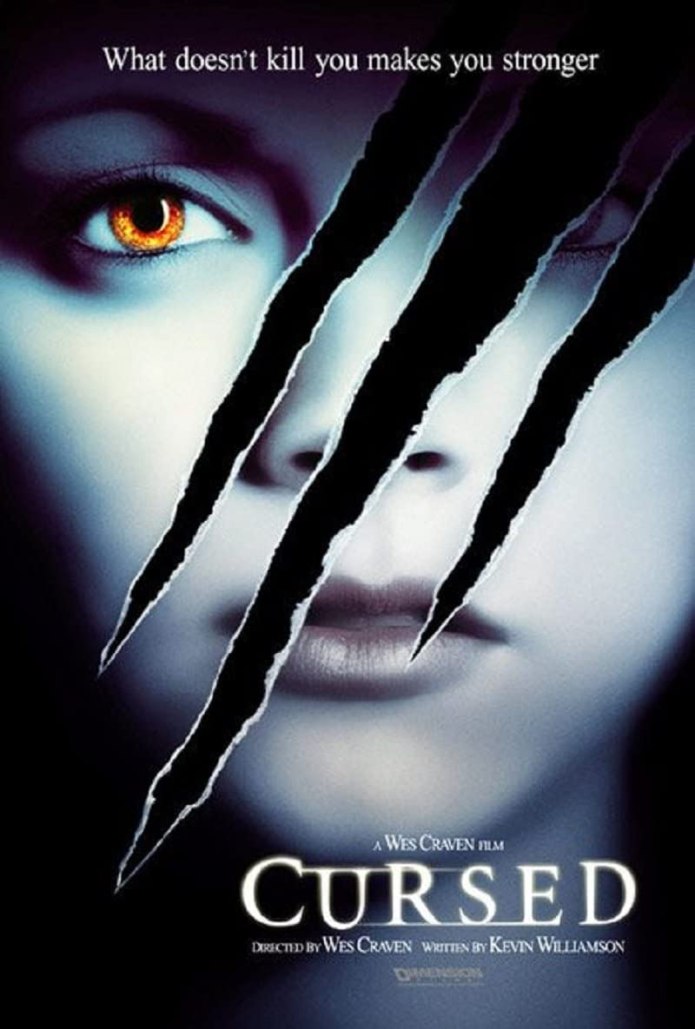
Cursed (2005)

DailyView: Day 179, Movie 261

Any movie that has a line in it, when referencing a spot on a Craig Kilborn talk show, “It’s Scott Baio. He shouldn’t be going after Carrottop anyway” tells you everything you need to know about it.

This film featured Christina Ricci and Jesse Eisenberg as siblings who are in a car wreck with another woman. That woman winds up being torn apart by a werewolf, which also scratched them, infecting them with the mark of the beast.

Jesse Eisenberg starts to show signs of being a werewolf and does his best Michael J. Fox imitation to show off his skills as a wrestler. There is also a gay storyline involving Milo Ventimiglia that is very early 2000s.

The story is stupid. The characters are boring. The dialogue is laughable. And they have a bunch of D level cameos for no apparent reason.

The CGI is terrible, and that is not a good thing when you have werewolves running around as your main antagonists.

It had a werewolf flip the bird to Christina Ricci, who was trying to insult the werewolf by saying it had a boney butt.

It had a werewolf dog.

It was directed by Wes Craven who may have to give his “Master of Horror” nickname back.

Cursed was atrocious. Really a terrible movie. And it had Scott Baio.

Battle Royale (2000)

DailyView: Day 178, Movie 260

I have started watching the Netflix series Squid Game that has been creating such a buzz across the streaming platform and throughout pop culture. I had come to it later than most, but I am engaged at the moment after the first three episodes. However, there still needs to be time allotted to continue the DailyView, and I came up with the perfect film to go right along with Squid Game.

Battle Royale is a 2000 Japanese action/thriller/horror film that would be one of the major influences on the Hunger Games franchise and Squid Game. An entire 9th grade class is taken to a deserted island and given supplies and some form of a weapon. Their goal? They have three days to kill everyone in the class, leaving one surviving teen. If they do not participate or fail to kill everyone else, collars that have been placed around their necks will explode, killing anyone who had survived.

Let me start off with one of the drawbacks to this film. The acting is not great. There is so much over-the-top melodrama that it can be shaky. However, I think part of that is intended, to show the reactions of the kids to this unbelievable circumstances. There is no doubt that there are plenty of 9th graders who would respond exactly like this in the same situations.

The film feels to me to be a analogy to teenage life and the troubles that engulf that age of child, only at a much heightened and elevated level of violence. There is no doubt that kids this age overreact to many things during their lives and this film brings that reaction to the forefront.

Tatsuya Fujiwara was our lead protagonist in the film as Shuya Nanahara. Nanahara was a strong character who did not immediately embrace the violence that many of his classmates did. He was looking for another way to solve the problem than just being the final surviving student. He was with the beautiful Noriko (Aki Maeda), whom he promised that he would protect. His best friend, the troubled Nobu (Yukihiro Kotani ) was killed at the beginning of the film by their former teacher Kitano (Takeshi Kitano), who Nobu had stabbed with a knife a few years earlier.

Takeshi Kitano was one of the most successful Japanese stars at the time, including being a game show host, which allowed him to use those skills in this role. Kitano was the most complex of the characters in this film, bringing a level of sadness and understanding to the antagonist despite being a horrid person in the very beginning. Kitano was one of the biggest draws in the cast.

Battle Royale has been an amazingly influential film, inspiring several movies and TV shows since its release in 2000. Quentin Tarantino said the movie was one of the best movies of the last few decades and said it was a personal favorite. It is ultra violent and controversial for its topics, yet it lives on as an influence for many other projects.

The Picture of Dorian Gray (1945)

DailyView: Day 177, Movie 259

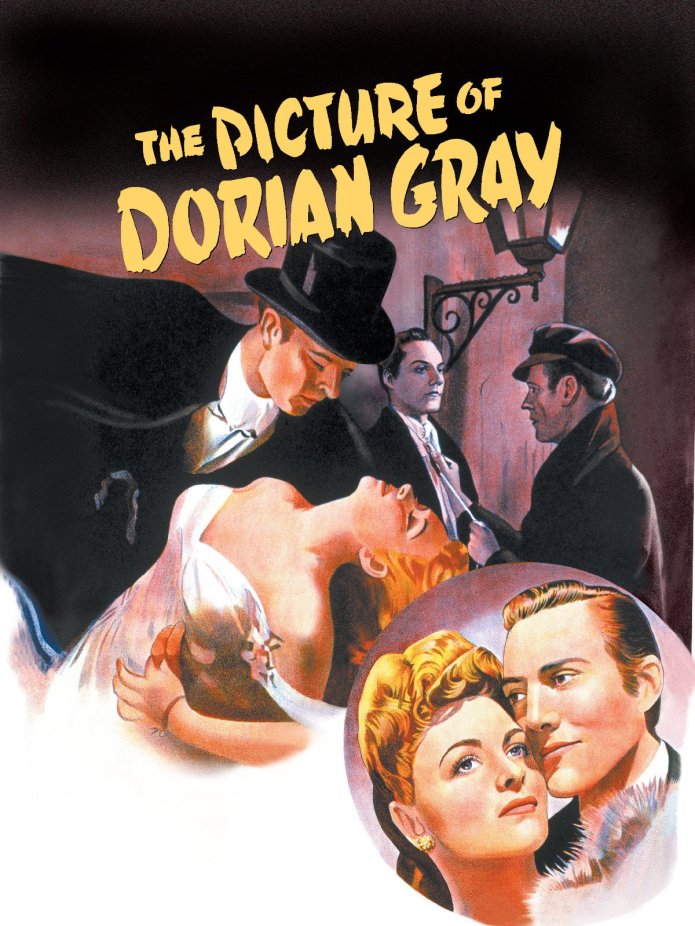
Continuing on the DailyView, today is a 1945 horror/drama film that was based on a novel written in 1890 by Oscar Wilde: The Picture of Dorian Gray.

I was originally introduced to the character of Dorian Gray through the comic book/movie The League of Extraordinary Gentlemen, and I will say that the idea of the character and his aging portrait was one that certainly exceeded the time of Oscar Wilde. Where he came up with such a novel and intriguing concept is fascinating.

Dorian Gray (Hurd Hatfield) had a portrait painted of him by a well-known artist, Basil Hallward (Lowell Gilmore). Dorian was young and wealthy. However, when he gazed upon the picture painted, he waxed poetically. He wished that he could always remain as young as he was now and that it was the painting that would become old and wrinkled. That wish would come true, complicating Dorian Gray’s life and sending him down the road of sin.

The film included a performance from a young Angela Lansbury as a beautiful singer, Sybil Vane, who was in love with Dorian and killed herself after Dorian sent her a letter breaking off their engagement.

The biggest issue with the movie was that the passage of time was muddled. It was difficult to know how long the time frame was and, since that is an important part of the film, that caused some uncertainty.

Still, the story is well told and the performances are good. Dorian Gray is an excellent villain as our protagonist. He is more than just an evil man, as some perceived him as during the film. He was lost in his life, the pain and isolation that he was facing and the dark word of mouth that he was dealing with in the community.

There is no debating that Dorian Gray did some callous, downright wicked things in his lifetime, but there is more beneath the surface of the character than just that and this is why this story has survived since the 1890s. The film does a good job of laying out this conflict within the main character.

The film is also beautifully shot in black and white and only veering into color once, which was a most disturbing moment of the film.

This is definitely a classic movie that I am glad I had a chance to watch.

The Pilgrim (1923)

DailyView: Day 176, Movie 258

Another packed day requires that I dip into the HBO Max collection of Charlie Chaplin for another shorter classic film from the silent master. The picking on HBO Max for Chaplin’s films have become sparse since I have used several during the DailyView. One of the remaining films was The Pilgrim.

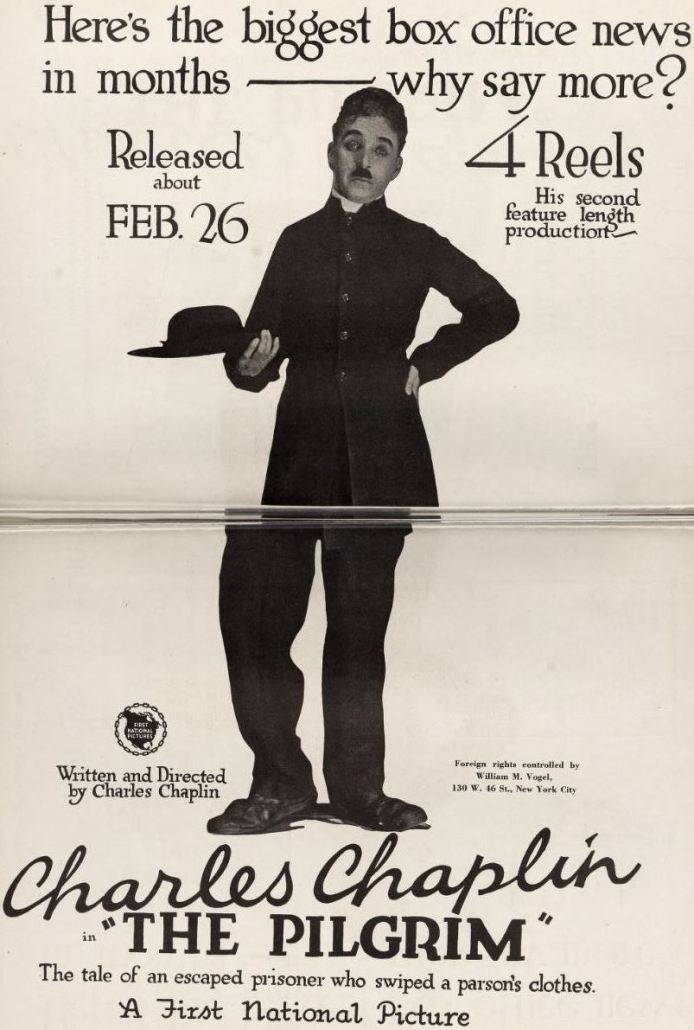
Chaplin is an escape convict who has stolen the clothes of a minister to replace his prison attire. At the train station, in an attempt to avoid the police as well as a couple that wants him to marry them, Chaplin randomly boards a train to Devil’s Gulch, Texas. Once there, he is mistaken for a church’s new parson and is immediately whisked away to a service.

There is a tremendous sequence of visual storytelling as Chaplin gives a sermon on David and Goliath that ends in a most unexpected manner. This was one of the most stand out sections of The Pilgrim.

Chaplin encounters an old cell mate of his who threatens to blow his cover. The man steals the church money, and Chaplin intends on retrieving it.

The film featured a song called “I’m Bound for Texas” which Chaplin had written and was sung by Matt Monro.

This would be the final film that Edna Purviance would co-star with Chaplin. She had been a regular in his oeuvre for many years prior to this.

The Pilgrim is another classic silent film from a master of the genre. Chaplin’s slapstick abilities are beyond reproach and his comedy is right on par. The Pilgrim is one of his great works despite being less known than some of his other films.

The Spider Woman (1943)

DailyView: Day 175, Movie 257

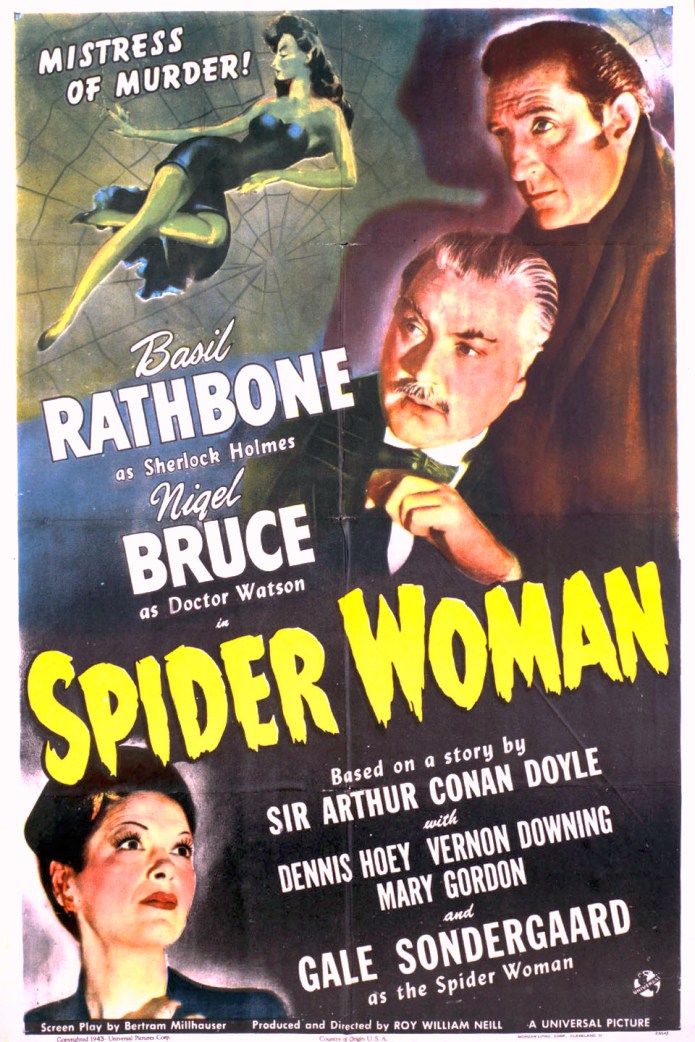
The DailyView continued this morning with another of the Basil Rathbone Sherlock Holmes films that are available on YouTube. This film was the 1943 The Spider Woman.

Basil Rathbone returned as Sherlock Holmes and Nigel Bruce resumed his role as Dr. Watson. The great detective became involved in the case of “the pyjama suicides.” A group of men from London began killing themselves at night for no apparent reason. Holmes was not fooled into believing these were suicides. He knew that they were actually murders and he started to investigate the case.

Holmes, who had faked his own death in order to go undercover as the next victim, believed that the murderer was a woman, a female Moriarty. He meets Adrea Spedding (Gale Sondergaard) who uses deadly spiders as her murder weapon.

The mystery was entertaining and the story moved quickly. It incorporated several parts of some classic stories of Holmes author Sir Arthur Conan Doyle, including The Sign of Four as well as several short stories.

Rathbone continued to show that he was a wonderful Sherlock Holmes as he carried himself in a perfect manner for the gentleman detective. Nigel Bruce made an excellent Dr. Watson once again, playing the version of the character as more of a bumbling sidekick who still could be effective in his own way. Watson’s expertise in anatomy provided a key detail during the adventure.

Adrea Spedding provided Holmes with a strong antagonist who was very nearly on his level. She was an unlikely adversary for Holmes, but one who showed intelligence nearly on par with Shelock.

This was the 7th of 14 features with Rathbone and Bruce and it was one of the better ones that I have seen so far.

Sleepaway Camp (1983)

DailyView: Day 174, Movie 256

What the hell did I just watch?

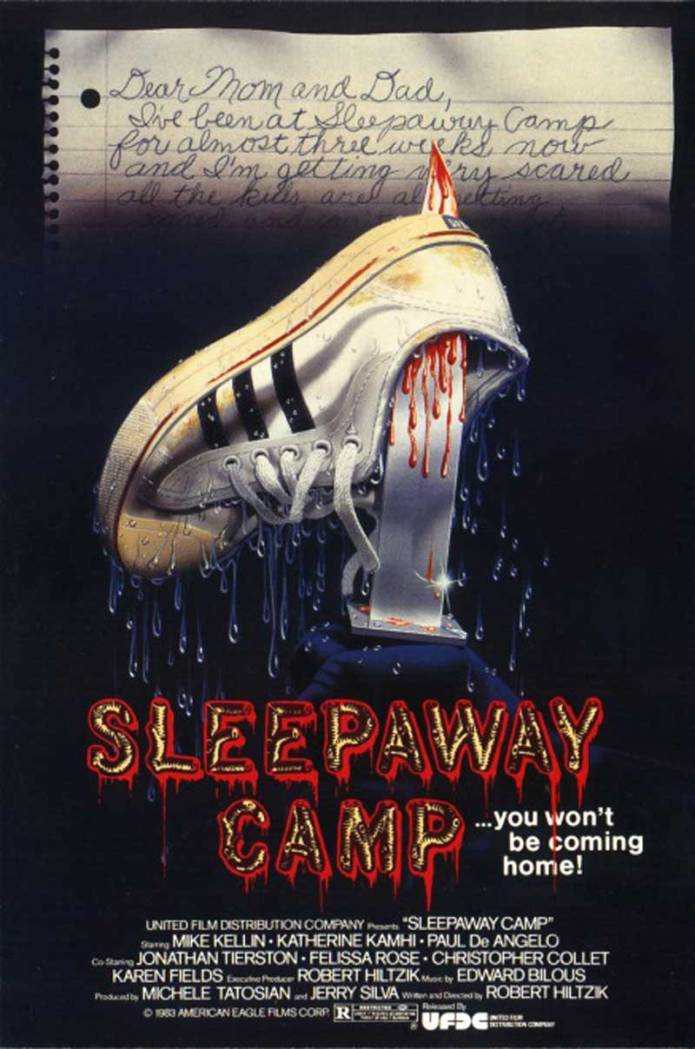
Sleepaway Camp is a teen slasher film set at a summer camp. Shy teen Angela (Felissa Rose) and her protective cousin Ricky (Jonathan Tiersten) are sent to summer camp by their (let’s say) quirky parent. When a killer starts targeting the teenagers at Camp Arawak…well, actually not much happened. The Campers kept playing their games and acting like a bunch of spoiled bullies.

This was a bad choice for me today. I had a bad day at school so the last thing that I wanted was to see a bunch of ill-behaved, downright rotten children acting badly. They were all bullies and mean spirited teenagers, and that was the last thing I wanted to see right now.

However, the acting was really bad. The story was poorly conceived, simply leading toward a twist, shock ending that was as insulting as anything else.

The killer took time to get the first victim too. While we waited, we got to see a bunch of camp activities. We saw some volleyball. We saw some skinny dipping. We saw a bunch of flirting with some of these horrible kids.

It did not help that the movie threw a pedophile chef in at the beginning of the film as he had Angela cornered and was going to rape her. That was one of the most uncomfortable scenes that I have seen in any movie.

This was a horrendous movie that I did not enjoy even a little bit. I have to find some good movies for the DailyView as lately we’ve had too many garbage ones.

The Wicker Man (1973)

DailyView: Day 173, Movie 255

Earlier this year in the DailyView, I watched the 2006 remake of this movie that starred Nicolas Cage. It was one of the worst films that I have seen during the DailyView. Although it does share some story parts in common, the original 1973 version is considerably different in tone and execution.

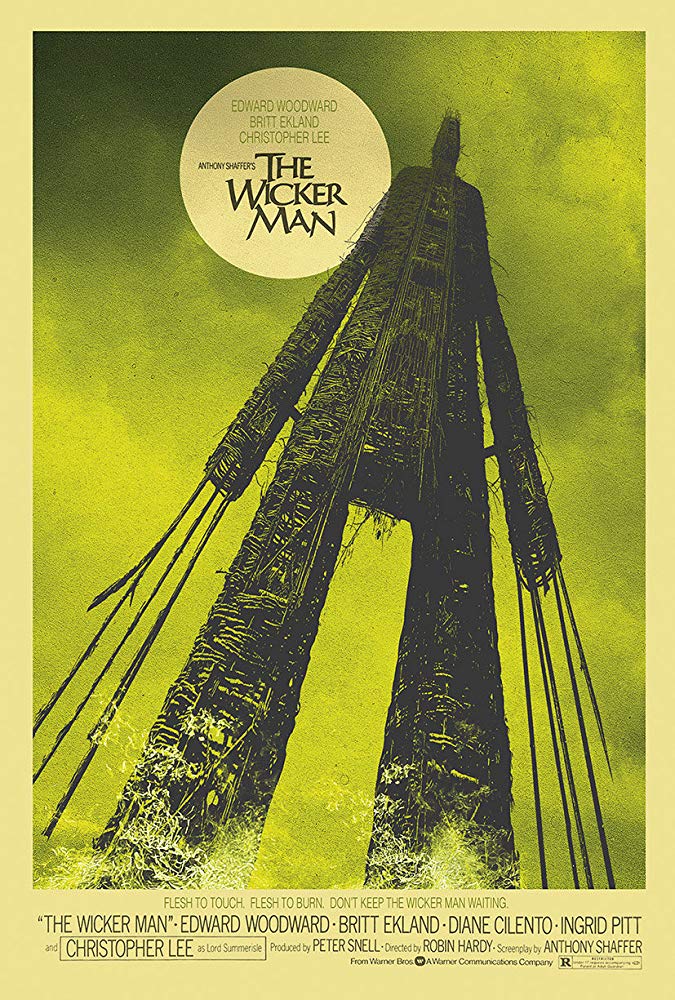
Sergeant Neil Howie (Edward Woodward), a puritan police officer, received an anonymous letter begging for help in finding a missing 12-year old girl on the island of Summerisle off the coast of Scotland. When he arrived on the island, Sgt. Howie encountered a group of people preparing for their May Day celebration. Sgt. Howie was obstructed, lied to and misled about the whereabouts or the fate of the girl Rowan,

Howie discovered the grave of Rowan, he had to receive the permission of Lord Summerisle (Christopher Lee) to exhume the casket. Sgt. Howie’s Christian beliefs were at odds with much of what he saw happening on the island, and he felt that it was vitally important to find Rowan before it was too late.

This The Wicker Man is much more about Christianity vs. Paganism than the Nic Cage version.

The 1973 movie made these people on the island feel much more cult-like than the more recent film. The songs that they sang were about as creepy as you are ever going to hear.

While the endings were pretty similar, this version’s ending was a hundred times better, with the fright factor being much higher and making the entire thing serious whereas the Cage version was ridiculous from the start. Watching the island people sway back and forth singing as the Wicker Man burned would have been a frightful surprise if I had not seen the other version already. Even with the knowledge of what was going to happen, The Wicker Man 1973 was so much more effective in creating a mood of fear and uneasiness.

The final shot of the 1973 film is an amazing shot of the sunset and it is simply a beautifully constructed image.

It really is amazing that one of the best British horror movies ever made was remade into one of the worst movies ever made.

The Haunted Mansion (2003)

DailyView: Day 172, Movie 254

Disney has been trying to make their amusement park rides into feature film franchises for years. Their most successful attempt at this was The Pirates of the Caribbean franchise. They have had a box office success with their 2021 Jungle Cruise movie with The Rock and Emily Blunt. They had less success with Mission to Mars and Tomorrowland.

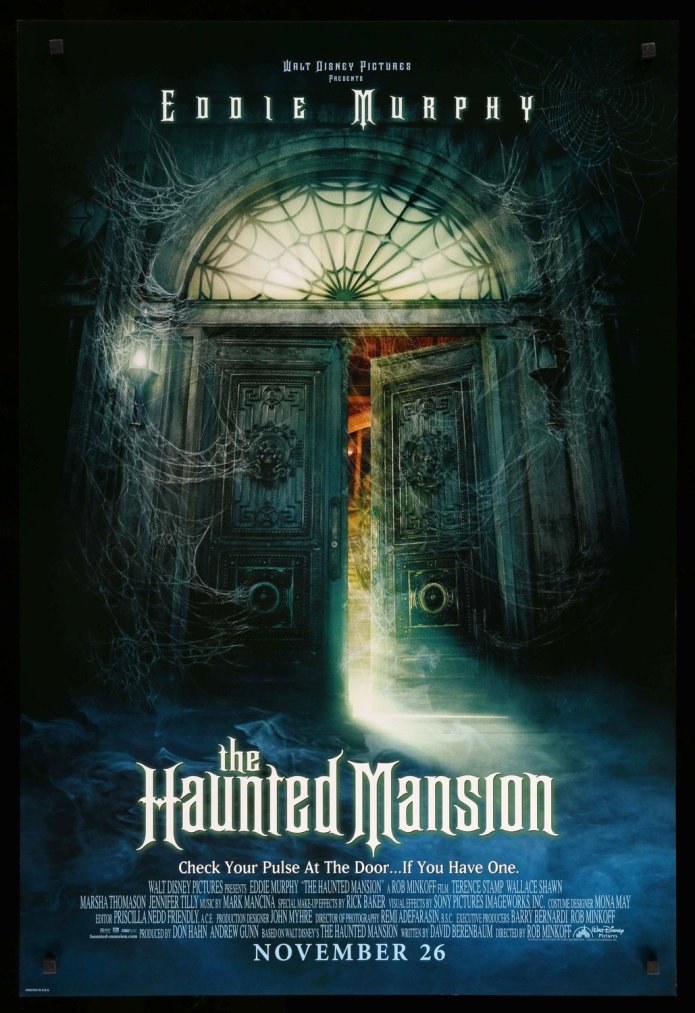
One of their most infamous flops was The Haunted Mansion, a 2003 film starring Eddie Murphy. I’ve always enjoyed Eddie Murphy, but the negative reviews and word of mouth of this movie chased me away. After the Muppet Haunted Mansion special last week, I thought that I would give the film a try. It was on Disney +, which makes it easy streaming.

While it is not a very good movie, I don’t think it was as bad as everybody has said. Perhaps it is one of those movies that if you approach it with low expectations, you enjoy it more.

There are moments that are good. The special effects are excellent. Eddie Murphy is pretty good with his hectic performance, although there are several times when his performance was too manic. Wallace Shawn, who played the butler Ezra, is always a delight.

While the story is simplistic and messy, I did think the third act conclusion was pretty decent.

Real estate agent Jim Evers (Eddie Murphy) is a workaholic and, without realizing it, puts his work ahead of his wife Sara (Marsha Thomason), daughter Megan (Aree Davis) and son Michael (Marc John Jefferies). When he tries to make up for his shortcomings by taking his family away for a weekend, Jim sidetracks the trip to check out a potential house he could sell. When his family arrived at the Haunted mansion, they are trapped inside by a terrible storm and discover that the sidetrip was all a set up from the ghosts that exist inside the mansion, attempting to break a long standing curse.

Terence Stamp played the butler Ramsley, one of the spirits that inhabited the mansion. He worked for his master Gracey (Nathaniel Parker), whose wife Elizabeth had died by her own hands years before, leaving him alone and miserable.

Part of the problem was that the film’s story was all over the place and was there simply to get as many special effects into play as they could possible get. Most of the characters were basic and some were one note. Madame Leota (Jennifer Tilly) was a gypsy spirit inside a crystal ball, but that character was one of my least favorite, most annoying parts of the film.

The themes of the movie were muddled and did not work well together. Some were just touched upon while others were pounded on like a sledge hammer. Inconsistencies raged through the entire movie and coincidences were everywhere.

This movie does not have a lot of funny moments, nor does it have a lot of scares. It’s more like a Goonies-type action movie with a bunch of special effects. There is not enough of either comedy or horror to stand out from the other, and it does not blend well . Had the movie embraced either the comedy or the horror more, I think this would have been more successful.

Still, I liked the ending and the rest of the movie was not the worst thing I have seen. It could have been much better, but looking at it with lower expectations helped me like it more.