Fun and Fancy Free (1947)

DailyView: Day 203, Movie 289

Tonight’s DailyView is taking us into the world of Disney + for a 1947 package film from Disney that featured two animated films. During the forties (in particular during the war), Disney produced these package films to save money. Fun and Fancy Free included two animated shorts connected by Pinocchio’s Jiminy Cricket.

Film number one in the package was entitled “Bongo” and it included the narration of Dinah Shore. Bongo, based on a tale by Sinclair Lewis, tells the story of a circus bear cub who wanted to be free from his situation. Escaping from the train, Bongo found himself in the wilderness, facing the dangers and uncertainty of a bear cub who had never been outside the circus.

Bongo meets a female bear cub named Lulubelle and instantly fall in love. However, with Bongo unable to understand a custom of bears in the wild, loses her to a brutish rival. Thankfully, Bongo comes across a song and dance routine that explained the very confusing ritual, whihc was when bears are in love, they express it with a slap.

Who knew?

Bongo was unremarkable. The Dinah Shore narration and songs felt lacking and there was just not the energy one would expect in a Disney animation.

Film number two is much more classic Disney fare than Bongo. “Mickey and the Beanstalk” placed Disney’s three main characters: Mickey Mouse (voiced by Walt Disney, himself), Donald Duck and Goofy in the iconic fairy tale, Jack and the Beanstalk.

This version was narrated by Edgar Bergen with his ventriloquist dummies, Charlie McCarthy and Mortimer Snerd in a live action section mixed with the animated tale. Jiminy Cricket was involved in this as well. Bergen was telling the story to child actress Luana Patten’s birthday party.

Seeing Mickey, Goofy and Donald together in the classic fairy tale is fun and certainly has more going for it than Bongo did.

Kids might enjoy Bongo more than I did, but you can’t go wrong with the Disney triumphant trio.
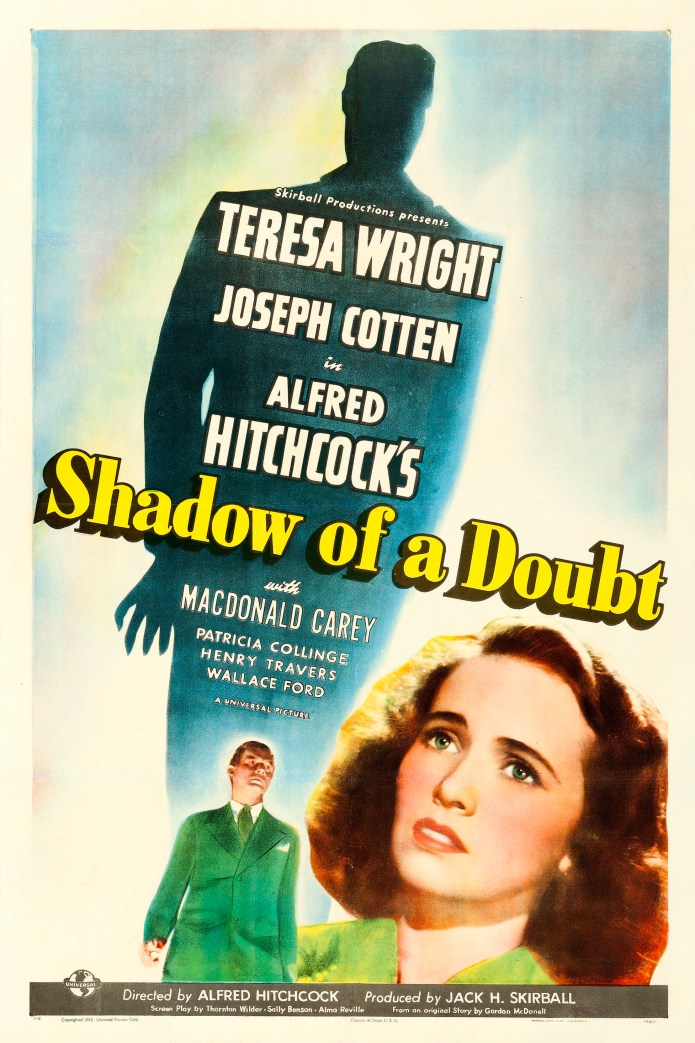
Shadow of a Doubt (1943)

DailyView: Day 202, Movie 288

The iconic director Alfred Hitchcock claimed that “Shadow of a Doubt” was his favorite movie in his list of classic films. I had never seen this black and white noir before and I do love Hitchcock, so I was looking forward to adding this to the list of DailyView.

Charlotte “Charlie” Newton (Teresa Wright) was becoming tired of her boring life in the small town in which she lived. So when her beloved Uncle Charlie Oakley (Joseph Cotten) announced that he was coming for a visit, she was thrilled that her namesake was joining them. Little did she know that Uncle Charlie was bringing more with him than she expected.

When two men, Jack (Macdonald Carey) and Joseph (Henry Travers), come to town interested in Uncle Charlie, Miss Charlie starts to doubt the sincerity of her uncle’s story and life.

Alfred Hitchcock is a master of suspense and building tension throughout a movie and he does so brilliantly with Shadow of a Doubt. The audience is aware of Uncle Charlie’s background early in the film, although there is still a question of exactly what he had done. We could see the shenanigans he was pulling on his family members who clearly adored him, making them much easier to manipulate. Who wants to see the worst in someone you love?

With Miss Charlie slowly putting the pieces together, even after refusing to believe what Jack had told her, you could see how the secret was tormenting the young woman, making her uncertain about what she could do.

The conclusion of the film was great and satisfying. The story was well constructed and took steps that continued to build to the eventual end. The scenes with the stairs and the car in the garage were exceptional, clouding what the expectations were for what was going to happen.

The performances were solid, especially from Joseph Cotten as the dark and brooding Uncle Charlie. It was fun to see Macdonald Carey, whom I knew for decades as Dr. Tom Horton on Days of out Lives, in a role that was different from what I was used to from him. Patricia Collinge, Hume Cronyn, Wallace Ford, and Edna May Wonacott all had important roles in the ensemble and they all provided memorable moments.

Hitchcock may have flashier and more well-known films in his oeuvre, but Shadow of a Doubt is certainly one to consider as one of his sleepers.

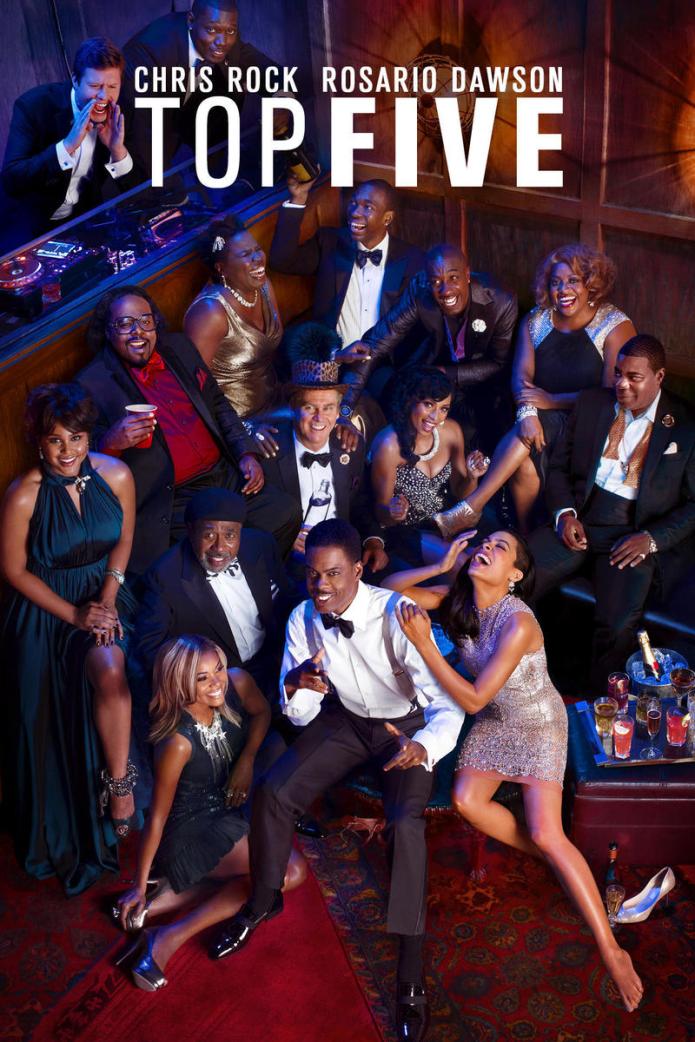
Top Five (2014)

DailyView: Day 201, Movie 287

I remember when the trailers for this movie was coming out and I was interested in seeing it. However, Top Five, the film written and directed by Chris Rock, never came to any theater in my general area and then it disappeared. Earlier during the DailyView, I was looking for a copy of this to watch, and I was not able to find it then either.

Finally, I was able to find it on Vudu today so I rented it and got a chance to watch it. It was very funny and was a deep character drama with some intriguing characters.

Andre Allen (Chris Rock) was a former stand up comedian who had a huge franchise film series that was incredibly popular. Andre wanted to be taken seriously and wanted to be away from the fandom of that movie series. He made a much more serious film and was on promotion for it before he would head off and get married to Bravo reality star Erica Long (Gabrielle Union).

During one of his days of promoting the film, he was joined by New York Times writer, Chelsea Brown (Rosario Dawson), who brought an honesty to the interview that appealed to Andre.

Top Five is raucous, at times obscene, very funny film with some top notch dialogue. Chris Rock and Rosario Dawson have great chemistry and are fantastic together.

There is an amazing cast involved including Cedric the Entertainer (involved in one of the most lewd scenes in the film), Leslie Jones, Kevin Hart, J.B. Smoove, Anders Holm, Kevin Barnett, Ben Vereen, Whoopi Goldberg, Jerry Seinfeld, Adam Sandberg, Michael Che, Sheri Shepherd, Tracy Morgan, Taraji P. Henson, DMX, Gabourey Sidibe and Charlie Rose.

Top Five was absolutely worth the wait. It was a really fun movie and, although there may have been a few of the scenes that made me uncomfortable and they used the N-word a whole bunch, it was funny and surprisingly deep.

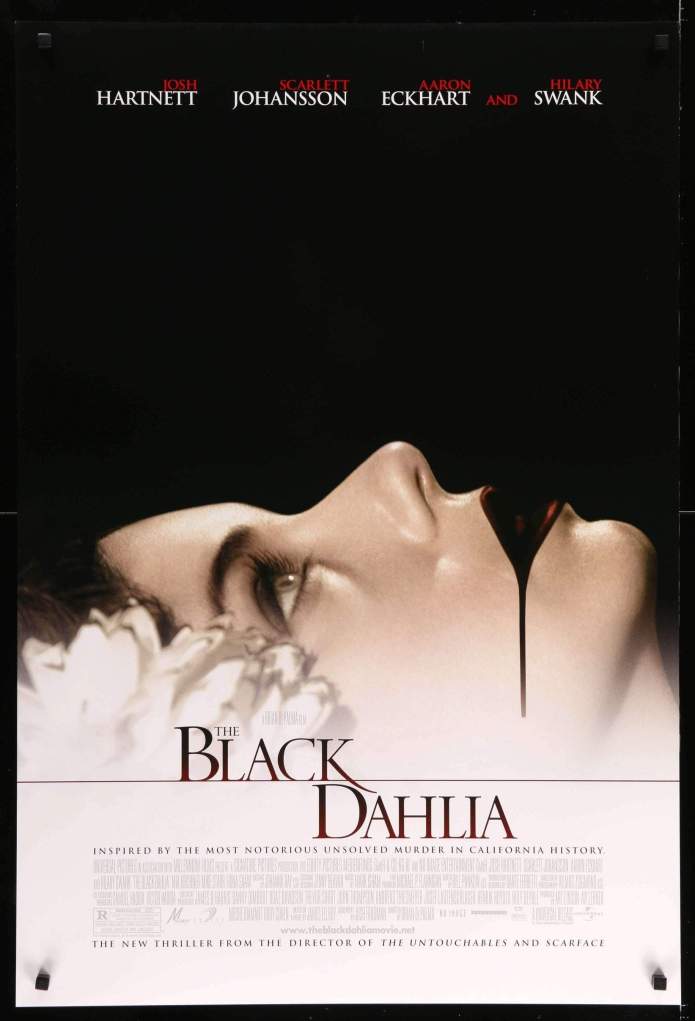
The Black Dahlia (2006)

DailyView: Day 201, Movie 286

Sick day. So I am able to lounge around on the couch and try to feel better. Unfortunately, the film I chose to help that along was The Black Dalhia.

The Black Dahlia is a 2006 film noir centered around the infamous murder case of Elizabeth Short in the 1940s. Former boxers Dwight “Bucky” Bleichert (Josh Hartnett) and Lee Blanchard (Aaron Eckhart) are now policemen who wind up assigned to the Dahlia case. Lee becomes obsessed with the case, to the fear of his girlfriend Kay Lake (Scarlett Johansson), while Bucky becomes involved with Madeleine Linscott (Hilary Swank), who has a tie to the victim.

The film has a definite feel of a 1940s noir, and looks great. However, the story itself is needlessly confusing and tosses away some great actors in some miscast roles. I am still not 100% sure what Scarlett Johansson was doing in this movie.

The Black Dahlia started with a whole different storyline that felt very foreign to what the plot of the film was. Character motivations were inconsistent and confused at best and totally nonsensical at the worst.

Who knew one of the most sensational murders of the 20th century could turn out a film this boring?

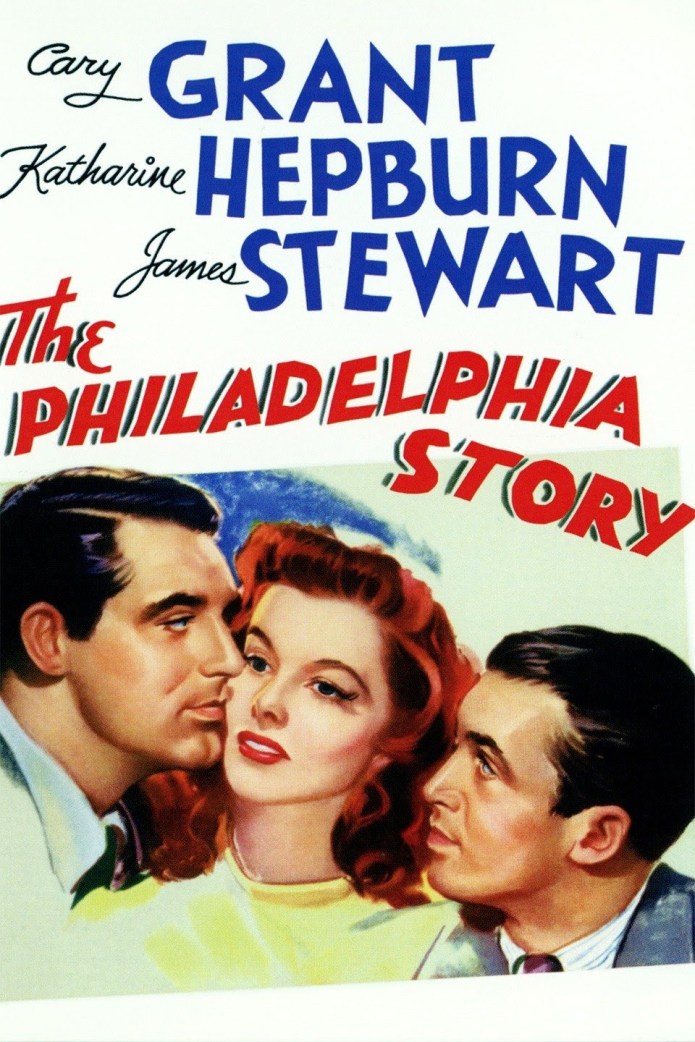
The Philadelphia Story (1940)

DailyView: Day 200, Movie 285

The third film today on day 200 of the DailyView is an old Hollywood classic, The Philadelphia Story starring Cary Grant, Katharine Hepburn and Jimmy Stewart and produced by Joseph L. Mankiewicz.

The film started off with a break up, as C.K. Dexter Haven (Cary Grant) was storming out of the house, followed by an equally angry Tracy Lord (Katharine Hepburn). She broke his golf club and he pushed her to the ground. It was clear that their marriage was on the rocks.

Flashing forward, Tracy was engaged to George Kittredge (John Howard) and scheduled to have a large wedding. Spy Magazine publisher Sidney Kidd (Henry Daniell) wanted the story so he sent writer Macaulay “Mike” Connor (Jimmy Stewart) and photographer Liz Imbrie (Ruth Hussey) to the Lord home pretending to be friends of the absentee brother. They were to get the story of the marriage and any other specific morsels they could find.

C.K. Dexter helped get the pair into the house and he hung around to see what other trouble he could cause.

I have to say, I was supposed to be rooting for C.K. Dexter Haven but when he shoved Tracy to the ground, I immediately took a dislike to him. There was an implication that he “socked” her (as said by the little sister) and so I pictured an abusive husband, especially since he was portrayed as a drunk. After this, C.K. was supposed to have sobered up, but I still never saw any reason to cheer for him outside of the fact that he was Cary Grant.

Katharine Hepburn was a very confused character, never being sure exactly what she felt or what she should do. People around her were always telling her that she carried herself like a goddess or that she saw herself above others and all of that played against her confidence.

The film had plenty of comedic elements to it, and the finale is played with a lot of unexpectedness. I like Jimmy Stewart quite a bit and I enjoyed his character here too. There was too much use of alcohol to push the plot ahead, but 1940 was a different time for sure.

The Philadelphia Story was enjoyable, but the romantic relationships were a little shaky. It had some messaging about class as well, but it slid aside for the main plot.

Awakenings (1990)

DailyView: Day 200, Movie 284

Awakenings was a movie that I was aware of, but that I had never seen before which I find odd, being such a fan of the late, great Robin Williams. My guess is that, since this was such a departure of a role for Williams when it first was released, I was not ready to watch it. There was none of the typical Robin Williams chaotic energy that we were so used to in Awakenings so I did not watch it and it was one that sort of slipped away over the decades since.

This was really a film that showed the range of the actors, Robin Williams. He was more than Mork. He was more than Captain My Captain. He was an actor that could stand beside Robert DeNiro and not lose a step.

Awakenings was directed by Penny Marshall and featured both Robin Williams and Robert DeNiro in a true story of a doctor hired as a clinical physician at a local hospital in the Bronx where most of the patients were unresponsive and semi-catatonic. Dr. Malcolm Sayer (Williams) began to notice certain hints that made him believe that the patients were still inside these unresponsive shells and that there was a way to bring them back.

Convincing the head doctor (John Heard) was not easy, but Dr. Sayer was able to get approved the use of the experimental drug, usually used for Parkinson’s patients, on one patient, Leonard Lowe (Robert DeNiro). The drug led to the revival of Leonard from his 30-year catatonia and brought him back to life, a metaphorical ‘awakening.’

Williams and DeNiro are the backbone to this movie. Both are amazing performances with DeNiro scoring an Academy Award nomination for Best Actor.

There are many emotions scattered throughout the movie as we see more of the patients at the hospital awake after taking the drug and seeing how their lives were now in a world that was very different than when they originally caught their disease.

The movie shows just how important it is to cherish life and the time given to you. Life is too short and it will go by in a blink of an eye and you must take every opportunity to make your time worthwhile. This theme is ripe throughout the script and the characters in the hospital.

This was Penny Marshall’s middle film in her best period of her directorial career. Big came in 1988, Awakenings in 1990, and A League of Their Own in 1992. RIP Penny.

Awakenings is an emotional tearjerker and shows off the acting skills of two of our generations finest actors. If youhave not had a chance to see this, I would absolutely recommend that you do.

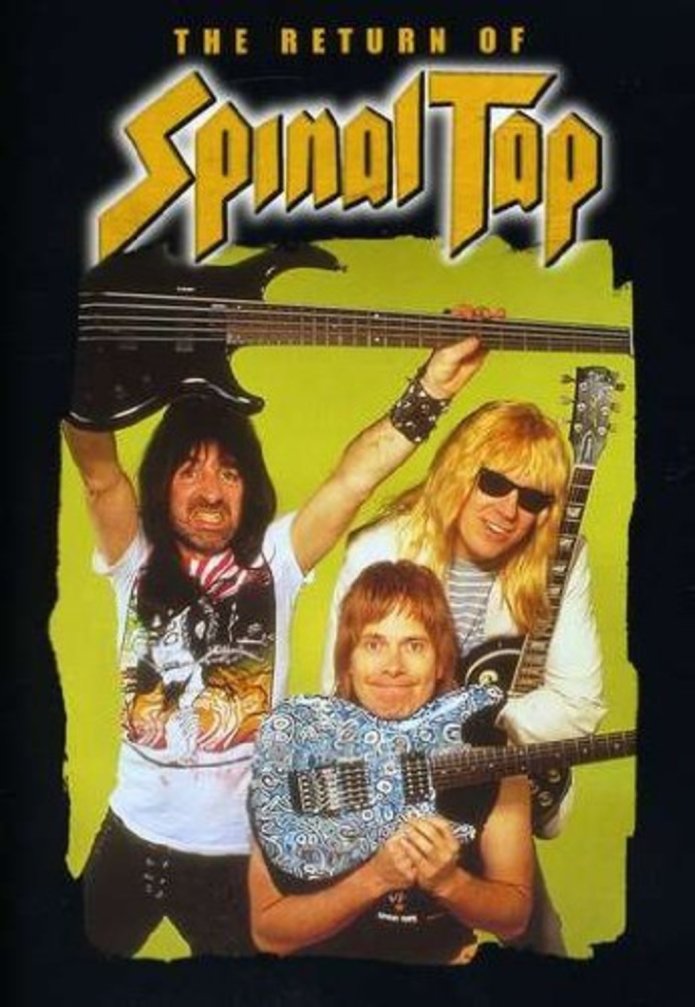
A Spinal Tap Reunion: The 25th Anniversary London Sell-Out (1992)

DailyView: Day 200, Movie 283

Day 200 starts off with a TV movie that I found while looking through Robin Williams’s IMDB page. I love Spinal Tap and the various members of the loudest rock band in history and I was unaware of this TV movie/special that aired on New Years Eve in 1992. When I found this, I went searching for the TV movie on the streaming services. I found it on YouTube.

First, a little background info on my introduction to Spinal Tap. I knew of a few of their songs from the Dr. Demento show (particularly Big Bottom). I saw the movie This is Spinal Tap for the first time with my roommate Andy at the University of Iowa Union at a special screening. This was actually a few years after the film flopped in the theaters and as it was becoming a cult hit. I was enraptured by This is Spinal Tap, bought the soundtrack and played it consistently.

In 1992, there was great news. The fictional band Spinal Tap was releasing a very non-fictional album called Break Like the Wind, filled with all new songs from the band. This is the emphasis of the special, playing many of the new songs from the album.

The thee members of Spinal Tap are amazing. David St. Hubbins is portrayed by Michael McKeon, Nigel Tufnel is played by Christopher Guest and Derek Smalls is in reality Harry Shearer. The three of them are talented musicians as well as great improv actors. They wrote all of their own songs and perform their greatest hits in the special.

There were a bunch of special stars appearing in the special. I will say the Robin Williams cameo was a little disturbing because of the ultimate fate of the actor. We saw Mel Torme singing a bit of Sex Farm, a picture with moving lips of Cher singing her duet with Tap, Just Begin Again, Martin Short telling a story about other Tap fans, Jamie Lee Curtis (the wife of Christopher Guest) talking about her lack of memory about her own Spinal Tap experience, Kenny Rogers teaching David St. Hubbins how to golf among others.

MTV personality Martha Quinn hosted the show like she was reporting on Spinal Tap, who was playing the Royal Albert Hall in London. It was billed as Spinal Tap returning home to England where the band was supposedly originally from.

There were several cameos from people who also appeared in This is Spinal Tap playing their same characters. These cameos included Paul Schaffer, Fred Willard, Rob Reiner, and June Chadwick (who plays Jeanine Pettibone-St. Hubbins).

But as with any Spinal Tap show, the music is center stage, and the band brings their best. There are a couple of cameos of the Folksmen (another fictional band created by Michael McKeon, Christopher Guest and Harry Shearer, who are part of the Chris Guest film A Mighty Wind) who were meant to open the show for Spinal Tap. This joke came from a couple of real times when they donned the Folksmen outfit to play some folk music ahead of Spinal Tap and the crowds nearly booed them off the stage. Ironic, huh?

This special was a lot of fun and it certainly cemented the legacy of the loudest band ever. I would be curious to know how much of the comedy bits were improvised as much of the actual film was. I am pleased to have found this and enjoyed it tremendously.

What’s Love Got to Do With It (1993)

DailyView: Day 199, Movie 282

Under my thumb
The guy who once had me down
Under my thumb
The guy who once pushed me around
It’s down to me
Yes it is
The way he does what he’s told
Down to me, the change has come
He’s under my thumb

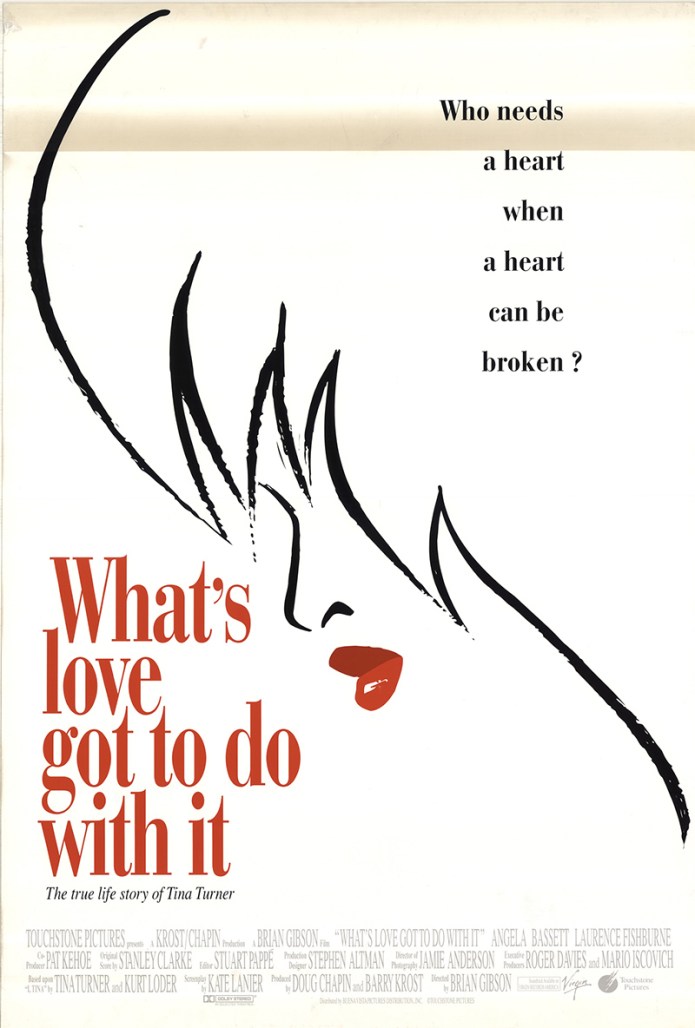
This song was originally from the Rolling Stones, but it fits perfectly with the story that was being told in the classic biopic, What’s Love Got to Do With It, the life story of Tina Turner and her tempestuous and abusive marriage to Ike Turner.

Born Anna Mae Bullock (Angela Bassett), she discovered her love for singing early in life. When she came across Ike Turner (Laurence Fishburne), the two hit it off both musically and romantically. Taking the stage name of Tina Turner, Anna Mae married Ike and became a sensation with him.

However, as the years went on, the abusive side of Ike Turner started to show itself and the ongoing pressures of writing songs and dealing with the record companies only made Ike Turner worse and Anna Mae shouldered the physical burden of the stress.

She attempted to escape the violence with her children, but Ike found her and dragged her back. The scenes of physical abuse were difficult to watch, and the strength that Tina Turner showed in finally breaking away from the violence was inspiring.

Angela Bassett and Laurence Fishburne were both Oscar nominated for their roles in What’s Love Got to Do With It and it is completely worth it. Both are transcendent performances with both Bassett and Fishburne losing themselves in the roles. These two actors took what could have been a typical biopic and made something special.

The music is great. The film does not dive into the period where Tina Turner struggled to work solo, instead moving along to her amazing success with the song “What’s Love Got to Do With It”, a theme of the 1980s.

Try and watch the powerhouse performances and not be affected. I had to look away a couple of times in disgust as Fishburne was embodying the abusive rocker and Bassett struggled to make it through. The scene between the two of them in the limo was cathartic for the audience as much as it was for Tina.

What’s Love Got to Do With It is a fantastic film with amazing acting. Even if you are not a huge fan of Tina Turner, you can watch this biopic as a survival tale, a story of a woman who found her strength and confidence to get herself out from under the thumb of her violent husband and become even more popular than she ever was with him.

Hearts in Atlantis (2001)

DailyView: Day 199, Movie 281

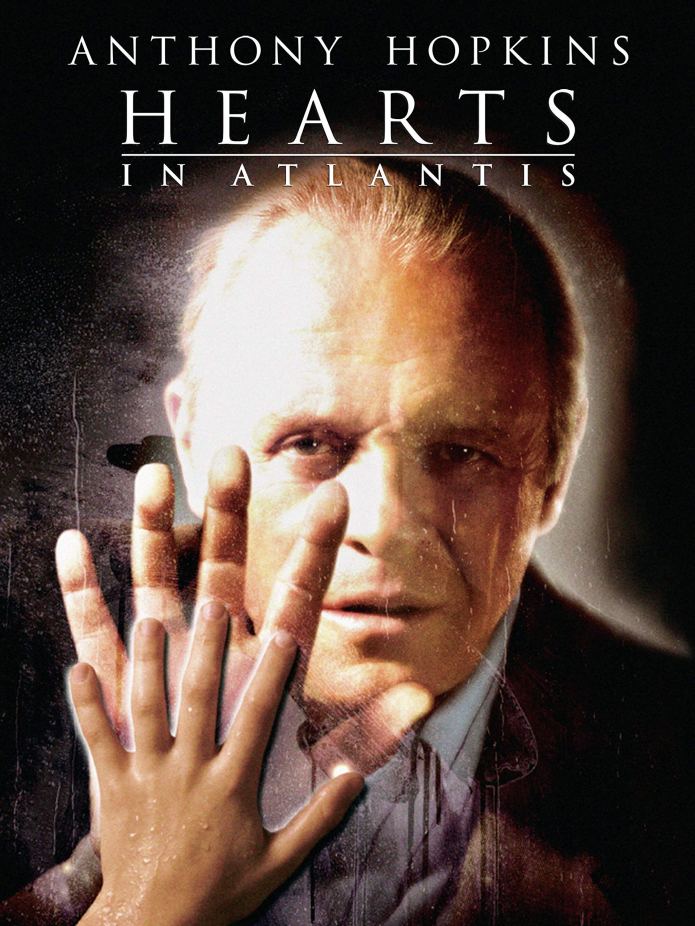
One of the films that will be leaving HBO Max at the end of November came up for the DailyView today. It was a movie that I had not heard of before featuring Sir Anthony Hopkins in an adaption of a Stephen King work.

The film also stars the late Anton Yelchin in an early role. While some of the other child actors in Hearts in Atlantis were not very strong, Yelchin showed the promise as an aspiring actor, as he handled a couple of powerful scenes and stood well opposite an Oscar winner in Hopkins.

When an aging man (David Morse) returned to his hometown for the funeral of a childhood friend, the began to reminisce about the time he met a mysterious man named Ted Brautigan (Sir Anthony Hopkins), who moved into an open room just after the death of Bobby’s (Anton Yelchin) father. Bobby and Ted bonded as Ted told Bobby a strange and somewhat horrifying story about men who were after him. Bobby would discover that Ted was more perceptive than he thought.

This film had a low Rotten Tomatoes score, but I did not think it was that bad. In fact, it was decent. Yes, there was problems with it. In particular, there was a lot of forced sentimentality which did not feel right. Some of it worked, but a lot went over the top. Another issue was that the dialogue was not good, especially the dialogue written for the kid actors. It did not feel accurate.

Bobby’s mother, Liz (Hope Davis) was a terrible character and was shown to be selfish. Sure, we see a terrible event that happened to her during the film, but it was not a reason to be that terrible prior to it. I thought she got off pretty easy at the end from Bobby.

Anton Yelchin did a great job and should have grown up to win Oscars. It is a sad situation involving the car accident that took his life earlier in the 2010s.

Anthony Hopkins was his typical outstanding self, taking the strange story and characters to a level that one would expect from a top line actor as Hopkins.

Stephen King must have an issue with bullies because it seems as if all of the kid bullies in his stories are just the worst people ever, and this is not exception. They are never quite the most developed of characters in his work.

In the end, Hearts in Atlantis was a decent enough watch and, despite its flaws, I thought its strengths surpassed the problems.

The Battered Bastards of Baseball (2014)

DailyView: Day 198, Movie 280

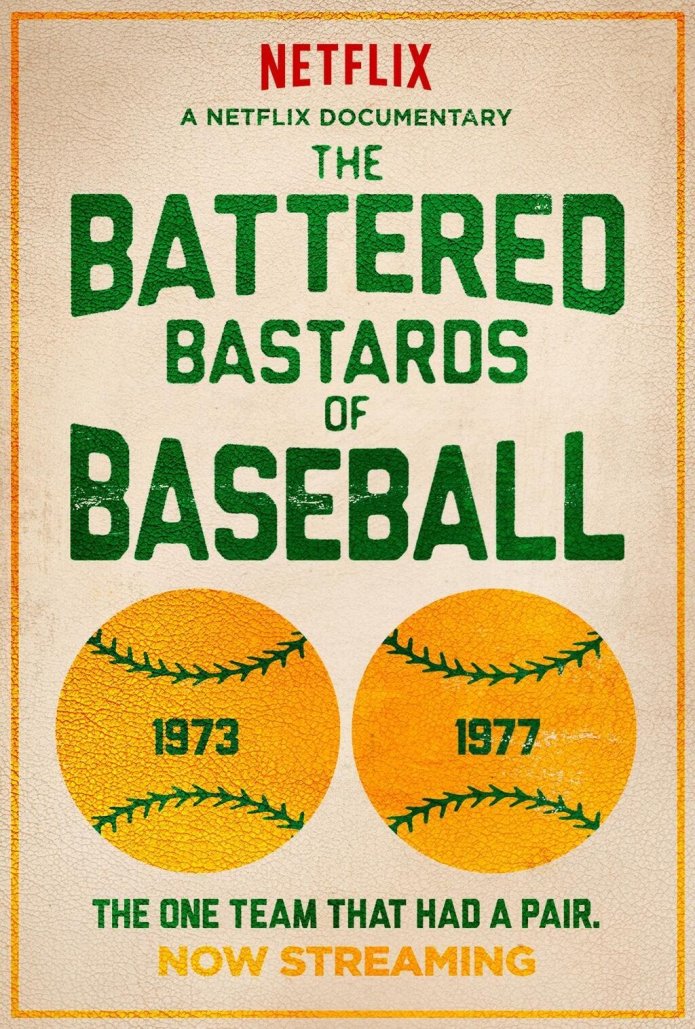
I love baseball. There have been so many amazing stories over the decades of baseball and the story being told in the Netflix documentary, The Battered Bastards of Baseball, is one of those.

After the departure of the local Portland minor league baseball team, actor Bing Russell, father of Kurt Russell and actor from Bonanza and the Magnificent Seven (1960), set up an independent Single A baseball organization named the Portland Mavericks, competing with other minor league baseball teams aligned with MLB clubs. The Mavericks were together from 1973-1977 and experienced an unlikely level of success.

Portland Mavericks kept making me picture the Cleveland Indians from the movie Major League. The same idea of bringing in players who the rest of the league may not value and having them exceed all expectations is on display in this documentary as much as there was in that classic baseball film.

Some of the ideas that came from this time are staples in the world of baseball now, such as Big League Chew. It also paints a picture of Major League Baseball not being a supporter of the little team in Portland that was defeating the minor leaguers owned from MLB teams.

There were several interesting real life characters that helped to create a sensation with the Portland Mavericks.

The documentary is an easy watch, quick run time and tells a fascinating story that you may not be familiar with in the wolrd of baseball. All baseball fans should take the hour and 20 minutes and watch this documentary.

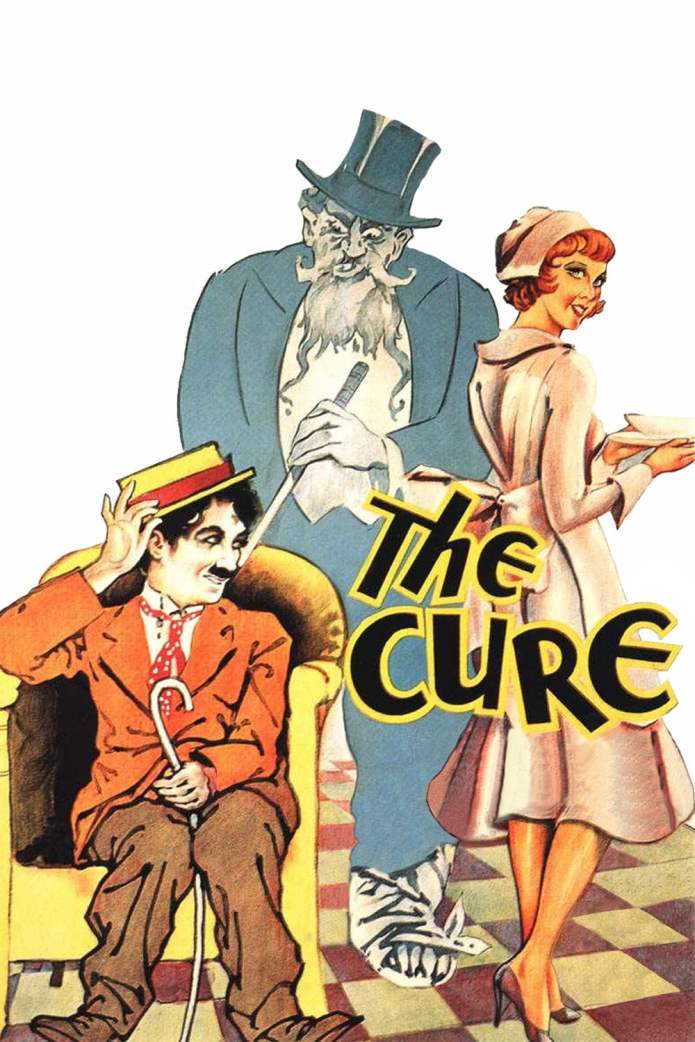
The Cure (1917)

DailyView: Day 197, Movie 279

With the Rocky IV special release tonight that I will be attending, I needed to dip into the well of Charlie Chaplin shorts once again this morning and I came out with a great one.

The Cure is set just prior to prohibition in the USA and this plot involves the potential evils of alcohol, and perhaps some of the fun of it as well.

There are some exceptionally funny sequences that really bring out the mastery of the slapstick format that Chaplin is so brilliant at performing. There is a scene involving Chaplin and a revolving door that is amazingly choreographed and brilliantly laid out. There is another scene with a masseur that devolves into a fistfight of epic porportions.

As always, the silent film is anchored with the music. The music changes and flows with the antics of Chaplin, blending beautifully with the visual smorgasbord.

Chaplin seemed to be in his Little Tramp character, but it was noticeable that he was not dressed in the same manner as he usually was. He did not have his black suit coat or the recognizable bowler hat (though it does make a cameo in the film). The slight change was very effective as well.

Charlie Chaplin is the master of these silent shorts. With all due respect to Buster Keaton (who I have watched a few times recently), Chaplin makes this incredibly difficult art form look remarkably simple and totally entertaining.

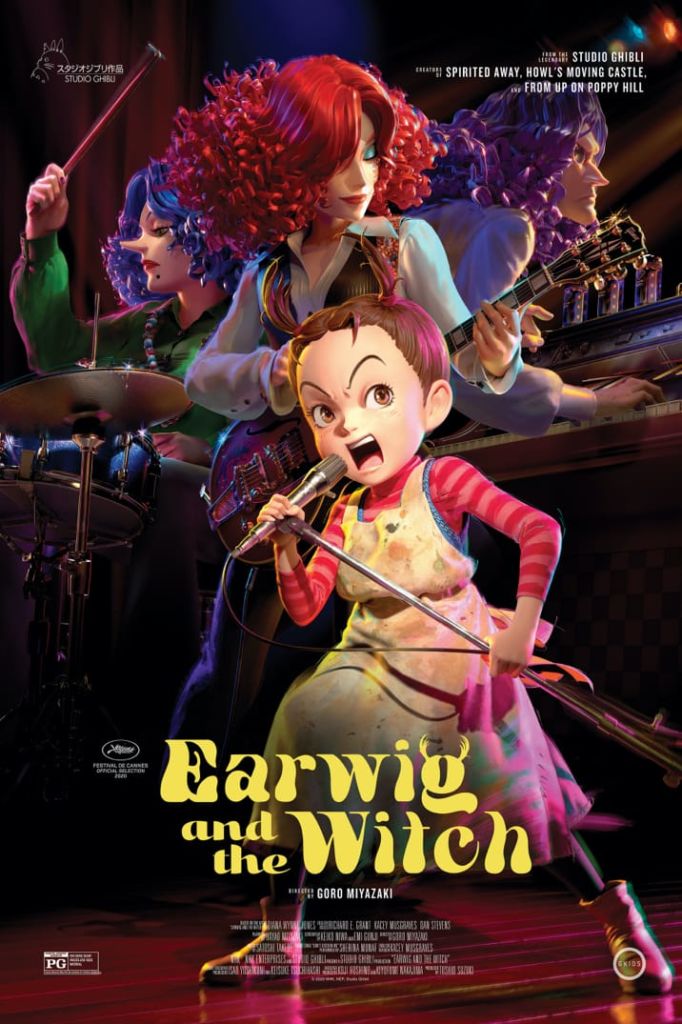
Earwig and the Witch (2020)

DailyView: Day 196, Movie 278

Studio Ghibli is one of the most successful. beloved animation studios of all-time and has created some of the greatest, most beautiful animated movies ever released including such classics as Spirited Away, Princes Mononoke, and Nausicaä of the Valley of the Wind. Those were all traditional style of animation with each frame hand drawn, creating images of beauty and wonder. For better or worse, Earwig and the Witch, which debuted in the last part of 2020, was the first animated movie from the studio that was made with full 3D CG animation.

Baby Earwig was dropped off at St. Morwald’s Home for Children by her mother. Her mother was a witch and left Earwig to keep her safe. Renamed Erica by the matron, Erica reached 10-years old and was quite rambunctious. When she was “adopted” by a strange couple,  Bella Yaga and Mandrake, Erica realized that she was only taken for another pair of hands.

When Bella Yaga revealed that she was a witch herself, Erica tried to bargain with her. She said she would help Bella Yaga if she would teach her magic. Bella Yaga had no intention of teaching magic to anyone and this only serves to irritate Erica.

Meanwhile, Erica discovered an old tape with a song on it, listed Earwig, and discovered that the cat, Thomas, could speak.

While the CG of the film was fine, it was a sharp difference from the beautiful animation of the past Studio Ghibli films. This was rather unremarkable, with only the animation of Mandrake being anything more than average. The animation, being a standout of the studio, does not make this film special. In fact, I would say that the look of the characters were lacking any depth or realism, especially in the faces which are like marionettes.

None of the characters are interesting. The story is fairly simplistic and apparent. And it wraps up in a rapid manner that felt like it was out of nowhere.

Overall, this was not to the level of the Studio Ghibli films and, if this is their new direction, they may want to reconsider.

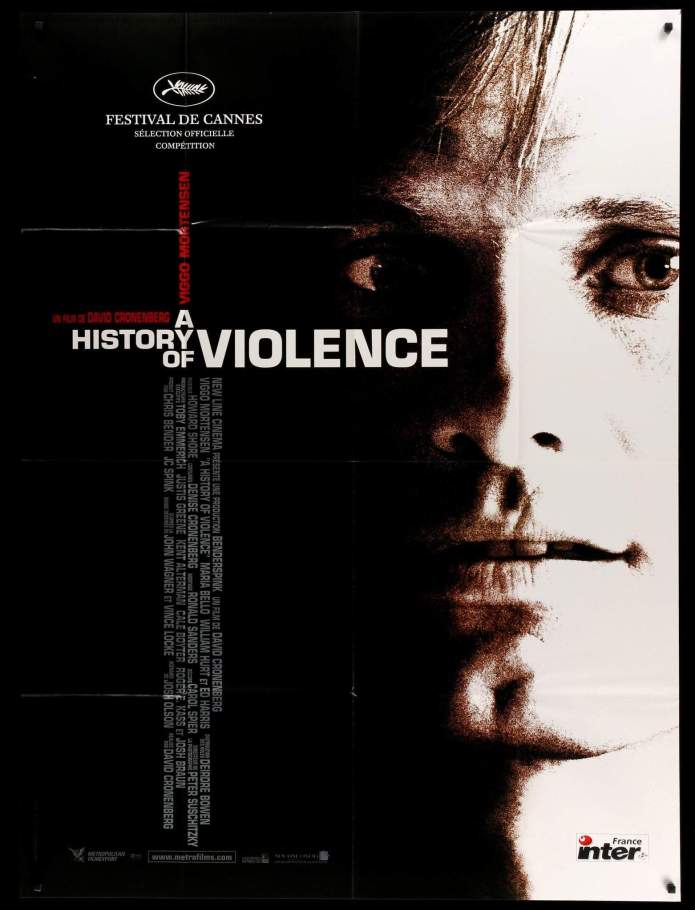
A History of Violence (2005)

DailyView: Day 195, Movie 277

I had stumbled across a book I bought a few years ago by YouTube movie reviewer Chris Stuckmann, called The Film Buff’s Bucket List: The 50 Movies of the 200s to See Before You Die. I remember purchasing the book because I always enjoyed and respected the opinions of Stuckmann. After finding it tonight, I flipped through to see if there were any good choices that I could use for the DailyView. In the 2004-2007 section of the book, I found an entry for A History of Violence.

I had heard the title before, but I really had no idea about the premise or of the plot, which was basically what Stuckmann had written. The three paragraphs that Stuckmann had written intrigued me and I went to try and find it. I rented it on Amazon Prime and, with a nice run time of 1 hour and 36 minutes, I had found my DailyView binge movie for the night.

Once it started, I was completely swept up in the story and it took me on an unexpected journey through the life of Tom Stall (Viggo Mortensen) and his family. I had no idea where the film was going to take me, but I was all aboard from the start.

Tom was a small town man working at a diner, with his lawyer wife Edie (Maria Bello), his high school aged son Jack (Ashton Holmes) and little daughter Sarah (Heidi Hayes). Then, one night, a pair of violent men arrived at the diner with every intention of causing trouble and hurting people. Tom jumped into action and was able to kill the two perpetrators in self-defense.

Tom became a local cable news sensation as the media arrived and wanted to know everything about Tom. Unfortunately, the word got out to other factions who were interested in Tom and his past.

This was such a great movie. Viggo Mortensen was absolutely sensational as Tom, one minute mild-mannered local man and the next a viciously violent killer. William Hurt appeared later in the film and I will not spoil the role, but he was excellent too. The performances were all fantastic.

There were some times in the early part of the story that made you think that Jack would be at the center of the plot. He had to face off with a bully at school and he responded in a violent manner, but this was just a part of the story, with everything leading back to Tom.

David Cronenberg directed the film and does a really solid job of providing a contrast between the lifestyle that Tom and his family was living with the past world that seemingly would not stay in the past. The violence was brutal, but worked beautifully in the context it appeared in. There were plenty of scenes that leave the viewer uncomfortable and ill at ease, which is great and works with the tone and theme that Cronenberg was going for.

The final scene of the film left me a little cold, but I believe the uncertainty and the uncomfortableness I was feeling, along with the desire to have things work out more was something the creators were going for. Even though I wanted more, the ending was the perfect ending for what Cronenberg was going for.

If you can go into the movie with as little knowledge as you can, as I was able to do, this is a wonderful and surprising film.

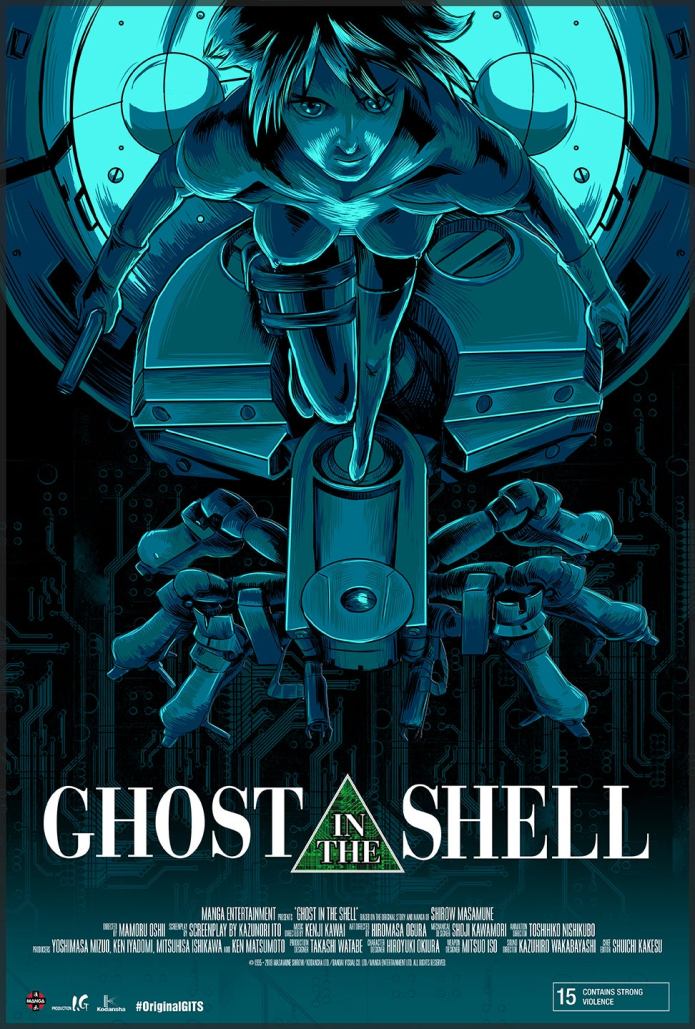
Ghost in the Shell (1995)

DailyView: Day 194, Movie 276

Today, for the DailyView, we jump into the world of Japanese animation with one of the classic films based on a seinen manga series, Ghost in the Shell. Directed by Masamune Shirow, Ghost in the Shell is a cyberpunk thriller animated anime that has become one of the most iconic available.

In Ghost in a Shell, the year is 2029 and humans can be augmented or even replaced with cybernetic parts. This may include the “cyberbrain, a mechanical casing for the human brain that allows access to the Internet and other networks. An often-mentioned term is “ghost”, referring to the consciousness inhabiting the body (the “shell”)” (Wikipedia)

Our main protagonist is Major Motoko Kusanagi, one of the leaders of the assault-team of Public Security Section 9, was after a fellow ghost, the criminal Puppet Master.

I will say that I had a hard time staying focused on the film and my distraction made it a difficult film to understand. I should have given it more of my attention, because it just does not seem that Ghost on the Shell is an effective film to put on in the background while you work on other items. So this review may not be as fair as it should be. I did try to refocus as the film pregressed, but by then I was confused.

The animation was beautiful and was a definite standout. It used the process of “digitally generated animation” (DGA) which combines cel animation and computer graphics and digit data. It brought some wonderful imagery and animation to the storytelling of Ghost in the Shell.

I watched the English dubbed version and the voice work was fine. While I usually do not like the dubbed versions, with the animation it was not as obvious as the live action and the English voice acting was fine.

There are a lot of good to this movie, but I was still confused. That is probably my fault, but Ghost in the Shell never truly grabbed my attention either.

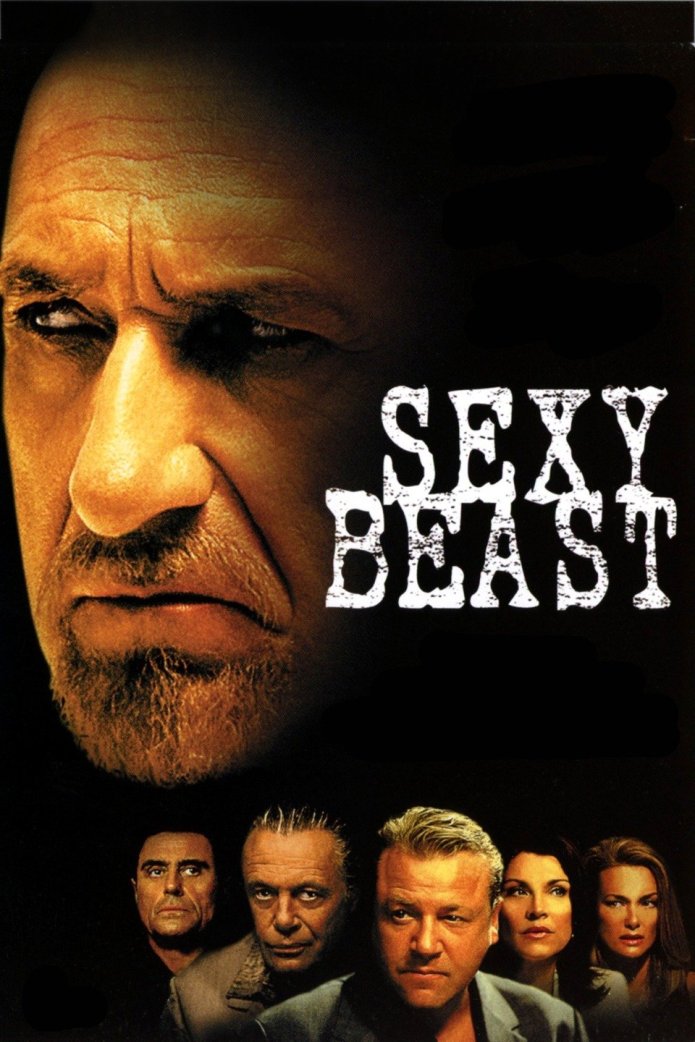
Sexy Beast (2000)

DailyView: Day 193, Movie 275

Ben Kingsley has played some amazing parts in his career, from Gandhi to Trevor Slattery. There may be no better role for the actor than the role of Don Logan in the psychological crime black comedy film, Sexy Beast.

Safecracker Gal (Ray Winstone) had retired with his wife Deedee (Amanda Redmon) to a villa in Spain, leaving the life of crime behind him. When Don Logan (Ben Kingsley) comes to his villa to attempt to recruit him for another job, robbing a bank’s vault planned by crimelord Teddy Bess (Ian McShane). Gal did not want to accept the job, but the immature and violent Don Logan was a difficult man to refuse.

Kinsley is clearly the standout of this movie. His performance as the foul-mouthed, childish, vicious sociopath is just astounding and borderline comical. Kinsley walks the line of parody with Don Logan the entire time, creating a character that is just to the left of ridiculous.

Ray Winstone played off the ravings of Kingsley beautifully, doing his very best to tip-toe around the crazy criminal.

The film is shot with a great deal of style and flair by director Jonathan Glazer, flipping between moments in time throughout the second and third acts.

And the very last scene is a laugh out loud moment that I won’t spoil for you right now, but it was an unexpected treat.

Sexy Beast is an excellent British film, with plenty of different tones scattered throughout. Ben Kingsley showed the level of his acting range as he went with a role that was completely opposite that of Gandhi.