First Blood (1982)

Sylvester Stallone has two big time iconic roles. One is Rocky Balboa from the Rocky franchise and the other is the original Starhawk from Guardians of the Galaxy Vol. 2….

What? Starhawk is not iconic?

Fine, fine, I was joking. I know the other role is John Rambo. However, I have actually not seen any film in the Rambo series so Starhawk is much more iconic to me.

Now, though, I guess I have to readjust my thought process since I watched First Blood today as part of the DailyView here at EYG, and this movie was so much better than I thought it was.

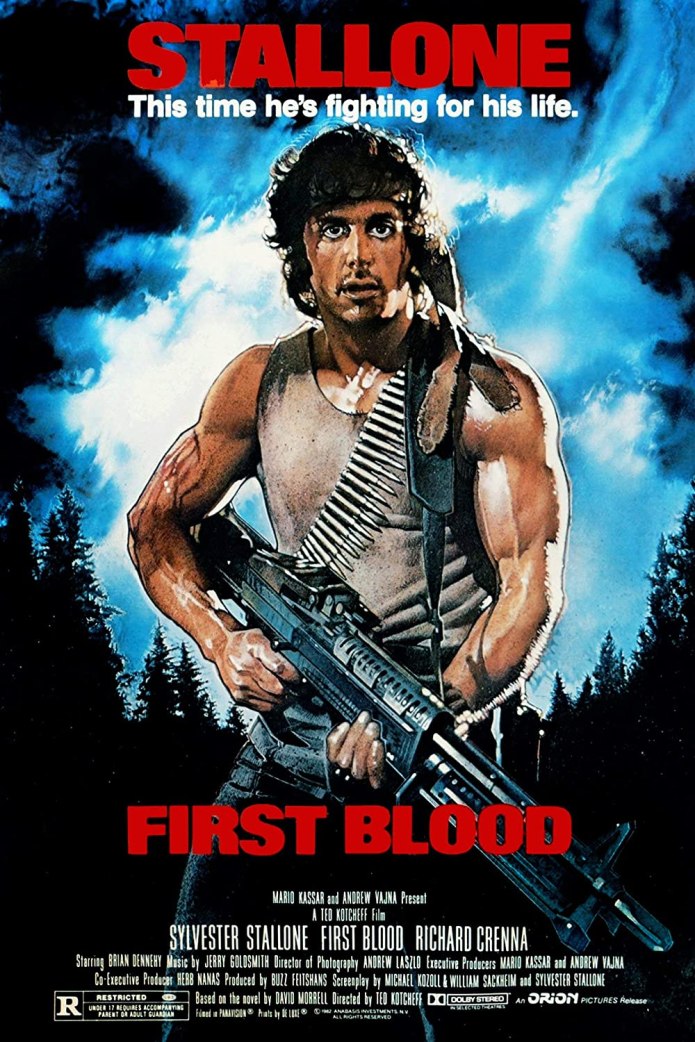
Vietnam vet John Rambo (Sylvester Stallone) was wandering around the pacific northwest town of Hope, Washington. At first, he was coming to see his friend and fellow unit member who lived in the area only to discover that he had died from cancer a year ago. Rambo was walking into town, hoping to find some food, when the town’s cruel sheriff William Teasel (Brian Dennehy) started harassing him.

Sheriff Teasel tried to escort Rambo out of town, but his insult and disrespect angered Rambo. He turned back toward town which led to him being arrested for vagrancy. When he was taken to the police station, the other officers both verbally and physically abused John, causing him to flashback to his days of torture in ‘Nam.

Rambo used his skills as a former Green Beret to escape the police station and he wound up hiding in the mountains, a location that gave him a distinct tactical advantage.

As events continued to escalate, Rambo’s former commanding officer, Colonel Sam Trautman (Richard Crenna) came to the town with the hope of deescalating the situation before more people got killed. Trautman warned Teasel to back off because John Rambo was a killing machine and would kill everyone to escape.

There was much more depth to this movie than I expected there to be. I had heard talk that the First Blood movie was more than the later Rambo movies, which just became shoot-’em-up flicks with a near superhuman Rambo. That was not what I saw here. Rambo was a complex character with deep seeded issues stemming from his days in Vietnam and from the response to his return from the war by the people he was fighting for.

Watching Rambo think his way through his problems with the police was fascinating and not what I thought the character would be like. Stallone does a tremendous job of showing John Rambo as a creature of instinct at times, moving and reacting as a trained killer, while also being a man deeply troubled by his past.

I was not sure why Brian Dennehy was such a jerk and I would have liked to see some more of the other police officers pushing back against the abuse of Rambo. There was a little bit of that in the film, but I just found the cops to be terrible people. I would have liked some kind of a back story on why Dennehy reacted to Rambo as he did immediately.

Stallone’s monologue in the third act was quite powerful and, again, was not what I expected. It was a nice surprise.

First Blood was a great movie that grabbed my attention and kept me glued to the screen the entire time. It was not over long and it was easy to root for Rambo despite the fact that he was a multiple killer.

The Magnificent Seven (1960)

About a year ago, I decided that my knowledge of the Western genre was poor and I was interested in increasing the classic Westerns that I had seen. That led me to watch films such as the “Dollars” trilogy, The Searchers, and The Assassination of Jesse James by the Coward Robert Ford. That still left a ton of iconic movies on the list to see. Picking the first Western during the DailyView was easy. I saw the remake, but I had never seen the original, The Magnificent Seven from 1960.

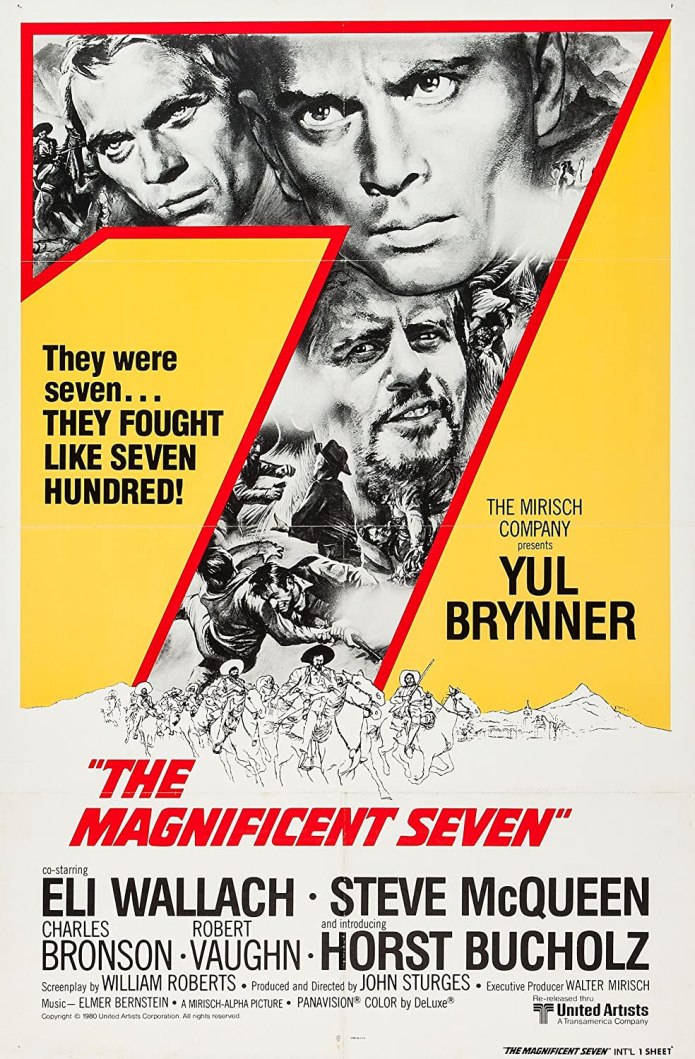
The Magnificent Seven is a remake of sorts of Akira Kurosawa’s Seven Samurai. A small village of farmers go out looking for help against a group of marauding thieves, led by Calvera (Eli Wallach) who demand the villagers hand over their food and goods every season. The villagers find gun-for-hire Chris Adams (Yul Brynner), who wrangles up a crew of six other gunfighters to help defend the village.

Along with Brynner, the Magnificent Seven consisted of Steve McQueen, Horst Buchholz, Charles Bronson, Robert Vaughn, James Coburn and Brad Dexter.

The cast was one of the best ever assembled for a Western and is the strength of the movie. Each character is allowed some time for development, but with as large of a regular cast as this had, screen time was going to always be limited. We got especially strong work from Brynner, McQueen and Bronson.

As with most Westerns, the setting is vitally important and director John Sturges does a wonderful job with the shots of the land. The action sequences are good too, keeping the violence to the appropriate moments and making it impactful when it arrived.

Elmer Bernstein’s music was one of the standout parts of the film. He received an Oscar nomination for the score, losing eventually to Ernest Gold’s Exodus.

The Magnificent Seven is one of the great Westerns of all time and this was a lot of fun to watch. The cast was fantastic and the action was full of Western goodness.

Enchanted (2007)

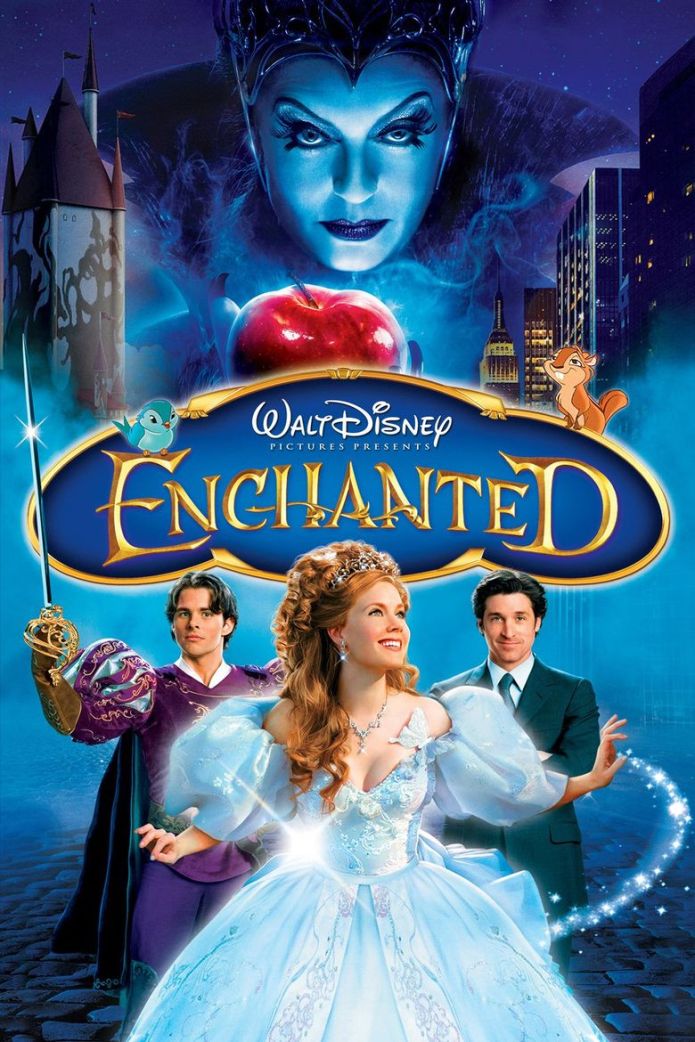
Wrapping up this Saturday of the DailyView binge, I watched Enchanted, a film that takes the fairy tale world and brings it into the present day. This is a concept that we have seen a lot recently, but this is one that helped to popularize the idea.

Giselle (Amy Adams) is your typical (animated) princess, waiting for the arrival of her one true love and singing her heart out. The song attracts Prince Edward (James Marsden) who saves Giselle from a fall. They immediately decide to be married the next day.

Unfortunately, Edwards’ step-mother and the current queen, Narissa (Susan Sarandon) is not anxious to allow Edwards’ bride to take her place on the throne so she conspires with her henchman Nathaniel (Timothy Spall) to send her to a different world.. the real world.

When Giselle arrived in New York City, she was confused by the weird differences around her, but she met Robert (Patrick Dempsey) who gives her a place to stay. Meanwhile, Edward has come to the real world from the animated land of Andalasia in search of his true love.

I have to say that I really enjoyed this movie. It does a great job of taking the fairy tale tropes and tweaking them slightly so that they fit into the modern world and keeps you on your toes. Giselle is an amalgam of several princesses that we know (Rapunzel, Sleeping Beauty, Cinderella) and Amy Adams is excellent at playing off the magical land that she thinks she is now in. Amy Adams is charming and completely engaging here. She has some powerful chemistry with Robert and their differences wind up pulling the pair together all the more.

There are some musical moments in Enchanted too and they are fairly entertaining. I do like how the crowds of NYC seem to just be able to join in with Giselle during the musical interludes. It plays as if there is just something magical about Giselle that makes you want to sing.

While the third act is a bit predictable, I do like the role reversal that happens there.

James Marsden does a very good job as Prince Edward, the goofy, always smiling heroic prince that is ready to sing at any moment. Marsden fully engages in the role and you can tell how much fun he is having being so cheesy.

Enchanted is a wonderful family film that has all of the best parts of the fairy tale genre and a star making performance for Amy Adams.

Saving Private Ryan (1998)

One of the first movies that made my list when I decided to do the DailyView this summer was Steven Spielberg’s Saving Private Ryan. I have never been much of a fan of war movies so this one was a movie that I never found too appealing. Of course, I knew that it was basically loved by most and that it was a iconic hit and that it was a hole in my movie viewing. I closed that hole today.

Saving Private Ryan is an incredible film, with perhaps some of the most realistic war imagery that you could possibly imagine, tense anxiety with every scenes (even the quiet ones) and powerful performances from an ensemble cast filled with amazing actors.

And yet, this is a movie that I will, most likely, never watch again.

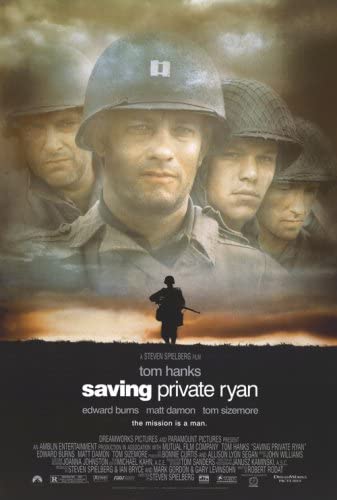
After the death of three brothers, the army assigned Captain John Miller (Tom Hanks) to assemble a group to go through the battlefields of Europe in order to retrieve Private James Ryan (Matt Damon) so he could be returned to his grieving mother.

The first twenty minutes of Saving Private Ryan is one of the most disturbing and unsettling war scenes I have ever seen. I remember the shock I felt during Hacksaw Ridge, but this blew it away. The realism was drastic and the blood, guts and carnage shook me desperately. This was painful for me to watch despite the fact that I have absolutely no basis for connection. I can’t imagine what it must have been like for real combat veterans watching this scene.

There are some great performances in this movie. Tom Hanks is always amazing, and he does not let us down here. Edward Burns, Tom Sizemore and Adam Goldberg were each on their game. I did not expect to see LOST’s Faraday, Jeremy Davies, be in the movie in such a significant role, but he was excellent here. Of course, every time I saw him, I thought about Faraday, but that is my own fault.

There were also a bunch of surprising cameos throughout the movie. Vin Diesel, Nathan Fillion, Paul Giamatti, Leland Orser, Bryan Cranston, Ted Danson, Dennis Farina, and Max Martini all made appearances in Saving Private Ryan, some more significant than others. I have heard people say that this was Vin Diesel’s best performance ever despite it being only a few scenes.

The film is both beautifully and tragically shot. The CGI/special effects were astounding and brutal, painting the picture of hopelessness amidst the mission of mercy thrust upon Captain Miller and his team. The way the men responded made perfect sense as the mission itself felt very un-Army like.

There have been many movies over the years that I thought were great, but that I never want to watch again: Schindler’s List, 12 Years a Slave, Room, the aforementioned Hacksaw Ridge to name a few. Saving Private Ryan will now go on that list too.

American Splendor (2003)

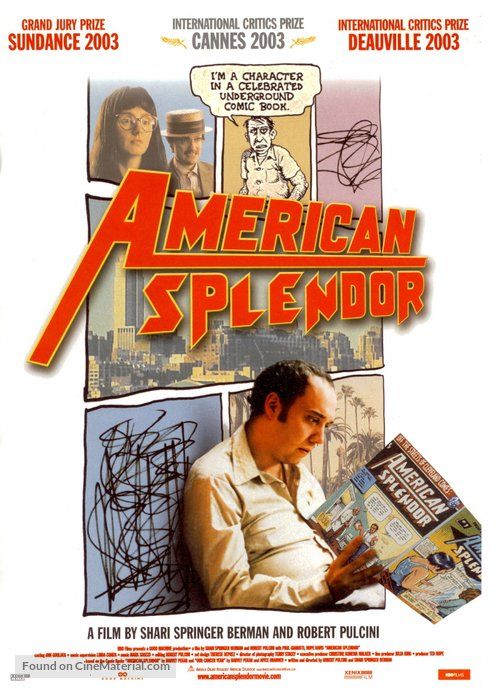
On this week’s Top 10 Show with John Rocha and Matt Knost, they did a top ten list of Paul Giamatti movies and American Splendor was near the top of both of their lists. I had never heard of it before, but it was telling the story of a part time underground comic book writer named Harvey Pekar. Sounding like a film that interested me, I added it to the list for the DailyView: EYG 2021 Spring/Summer Unseen Classics Binge.

The film was unlike anything I had seen before. It combined both Paul Giamatti and other actors in the cast with the real life people they were portraying. The real Harvey Pekar was doing narration/voice over for the film and it was being told using graphics and style from comic books. Everything really blended together well to advance the narrative of Pekar’s colorful and unconventional life.

Pekar was a medical file clerk at a VA hospital. He was certainly an oddball character. When he met comic icon R. Crumb (James Urbaniak), Pekar decided that his own life could be an underground comic. He showed some of his story ideas to Crumb who wanted to illustrate them. The comic American Splendor was born. It told the story of Pekar’s life without the rosy colored glasses. It was a true look at the unsympathetic nature of life.

The film also illustrated the condensed courtship of Pekar’s soon to be wife Joyce (Hope Davis). Joyce and Harvey were married within a week of their first date and they really seemed to be each other’s soulmate, but not in the sloppy sentimental manner as many films show. Their relationship is one of the strongest aspects of the second half of the movie.

Paul Giamatti brought the perfect amount of remorse and melancholy to the role, which could not have been easy with the real Harvey Pekar right there the whole time. Giamatti gave one of his best performances here, layering the negativity with real moments, albeit fleeting, of joy. There is a realness to American Splendor that plays opposite the fantastical aspects of the comic book style.

The scenes of Pekar appearing on the David Letterman show were quite funny and revealed even more about Pekar and his desire not to be taken advantage of. Real footage from Pekar on the Letterman show was used and mixed brilliantly with the story they were telling.

American Splendor was a fantastically creative and clever biopic that was fully engaging and entertaining to watch.

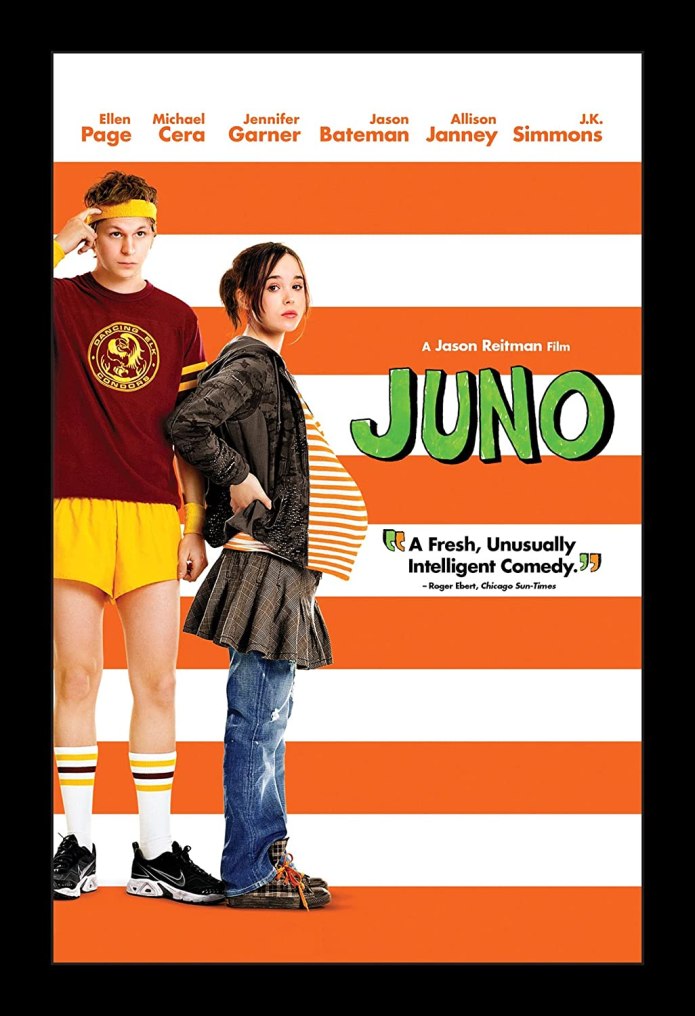
Juno (2007)

The DailyView continued today as I watched the coming of age comedy Juno, directed by Jason Reitman. This was another film that had some positive word of mouth from everywhere that I had heard, but it just did not feel like it was my kind of movie. So I avoided watching it until today.

Boy, this was my kind of movie.

Sixteen year old Juno (Elliot Page) found herself with an unwanted pregnancy after having sex with her best friend Paulie Bleeker (Michael Cera). Choosing not to abort the baby, but realizing that she was too young to be a mother, Juno looked for a happy couple hoping to adopt. Mark (Jason Bateman) and Vanessa (Jennifer Garner) seemed to fit the bill. Juno agreed to give Mark and Vanessa the baby after the baby was born.

When we first meet Mark and Vanessa, there is a vibe going on about Vanessa that makes you think that she was controlling and had some personal issues. Juno, however, was connecting to Mark.

I loved this movie. What I loved most about this is how intelligent and witty these characters were. I found them all so well written with the dialogue sparkling and sharp. The character of Juno was one of the most original character I have seen in a long time. She approached life in such a wonderfully humorous manner.

I was also impressed with how effectively the film avoided the clichés found in this type of movie. Every time I thought that some cliched was about to happen, it took a different turn into a path I was not expecting.

J.K. Simmons was outstanding as Juno’s father Mac. The lines of dialogue were gold delivered by Simmons. He had a great chemistry with Page and I loved their father-daughter relationship. Juno’s step mother Bren (Allison Janney) was another awesome character.

Elliot “Ellen” Page was the heart of this movie. She delivered every moment she had a chance and was simply wonderful. She worked with every character in the movie and that is one of the big reasons this film is as quirky and funny as it is.

Smart, funny, a fantastic script, great performances and plot points that you do not expect make Juno a fabulous movie.

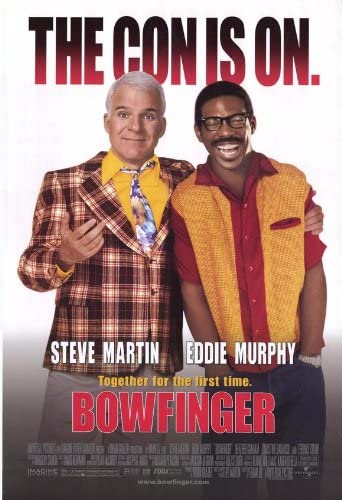
Bowfinger (1999)

I have discovered in the infancy of the DailyView that I am not anxious to watch movies over 2 hours on nights after working at school all day. That meant that I went searching for a shorter film this Thursday night. I found it on HBO Max, It was a classic from the 1990s starring Steve Martin and Eddie Murphy, Bowfinger.

I had not seen this before despite always liking Steve Martin and Eddie Murphy and hearing positive comments about it.

Bobby Bowfinger (Steve Martin) is a producer for his own film company that has yet to produce a movie of any kind. In desperation, Bowfinger tries to con his way into funding his new script. Bowfinger approaches the huge movie star Kit Ramsey (Eddie Murphy) to star in the flick. When he gets shot down, he decides to push on with the film, filming Kit in public without telling him he was in the film.

It was a really clever script with a ton of humor. It was really funny. The film goes on a wild, over-the-top plot that works so well. You ignore the bizarre nature that the film runs on and just enjoy the spectacle that is going on. Bowfinger is not a good person, but his dedication and perseverance are admirable.

There is a great cast here beside Martin and Murphy. Murphy does one of his double duty performances playing Kit’s brother Jiff. There is Christine Baranski is a washed up actress named Carol. Heather Graham is Daisy, the young actress just off the bus from Ohio. Jamie Kennedy is Dave, Bowfinger’s assistant. Robert Downey Jr. had a cameo role here too.

Eddie Murphy was just hilarious as the paranoid Kit Ramsey. Watching him slipping into panic every time that the film crew approached him because he believed that there were really aliens coming for him was utterly fantastic. When he accepts the character name of Keith, I nearly busted a gut.

The film clearly is a satire on Hollywood and the way films are made. The superficial nature, the selfishness, the behind the scenes drama. So even though it feels preposterous, it also feels accurate.

Bowfinger was a lot of fun and I laughed throughout. Steve Martin and Eddie Murphy were amazing here and carried much of the film.

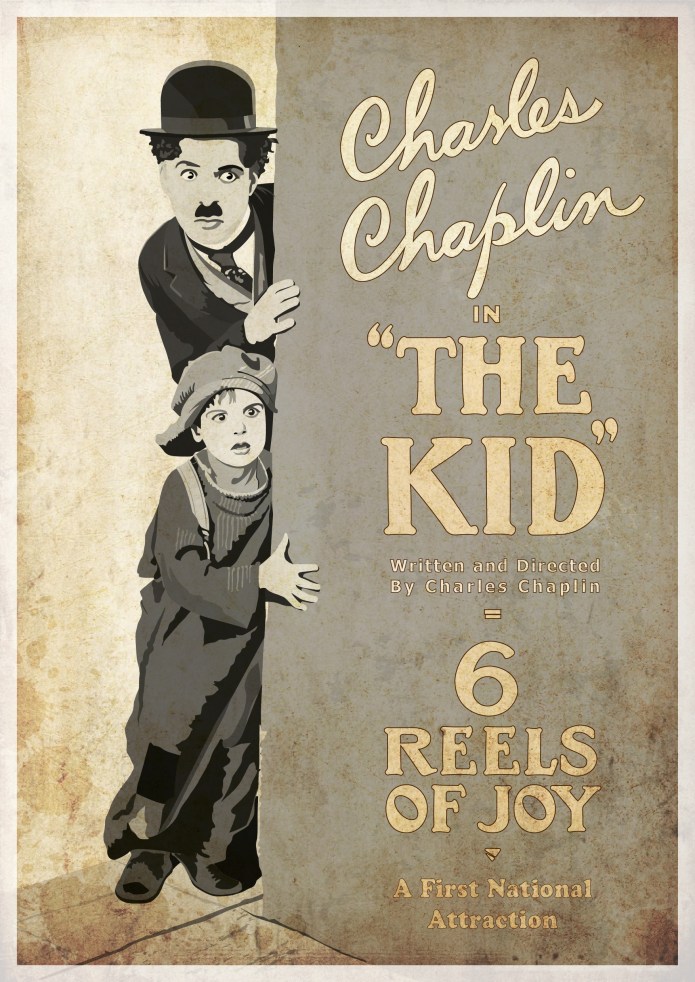
The Kid (1921)

Tonight’s DailyView takes us all the way back to 1921 where we find one of the most iconic silent films of the time. It is the Charlie Chaplin classic, The Kid.

Chaplin’s Tramp character discovers a deserted baby, whose mother left in an expensive car with a handwritten note that says, “Please love and care for this orphan child” The mother (Edna Purviance) changed her mind and returns to find the car she had left the baby in stolen and missing. The Tramp takes the baby and begins to raise him as his own.

Five years later, The Tramp had been using the kid (Jackie Coogan) to run a scam to repair windows when the authorities discovered that the Kid had been abandoned and they attempted to remove the boy from the Tramp’s custody.

Charlie Chaplin made his feature film directorial debut with The Kid, as well as writing it, producing it and starring in it. He also wrote the score for it as well.

The Kid became one of the most influential films of the early 20th century, certainly of the silent era. Chaplin was able to create something that was both very funny and also full of moments of drama. The scenes of separation between the Tramp and the Kid are difficult to watch at times because they both have such a strong connection with each other.

The Kid continued to include some of the classic slapstick that had become well known within Chaplin films. He handled it smoothly as could be expected by a master as Chaplin.

At a quick 53 minutes, everyone interested in film history and, just simply, a really good show with some compelling characters should check out The Kid.

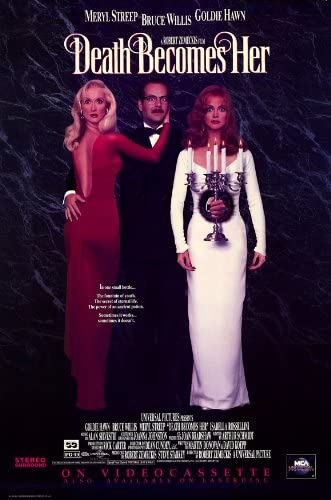
Death Becomes Her (1992)

I struggled to find the right film for tonight’s DailyView because I had a limited window of time and I was not in the mood for a long film. I also did not want to dive into the shorter films that I planned to use on Wednesdays and Mondays. So I was worried that I might not be able to get this done.

Then, on HBO Max, I found Death Becomes Her.

This was a movie that I had not seen before, initially because of poor reviews, but had received a more of a cult status recently. I had always been a fan of Bruce Willis, in particular the early days when he seemingly cared about the projects he was involved in.

In a story of vanity and excessiveness, actress Madeline Ashton (Meryl Streep) was so concerned with aging and an old rivalry with Helen Sharp (Goldie Hawn) that she took her fiancé, Dr. Ernest Menville (Bruce Willis) away from her for access to his skills as a plastic surgeon.

Madeline and Ernest get married and Helen finds her life ruined. Years later, Helen decided that her life would only be improved by revenge.

Helen found, by this point, the unhappy couple and convinced Ernest that they could kill Madeline. Fate interfered. Madeline had found a woman who sold her a potion that would keep her young forever. When she returned home, a wound up Ernest pushed Madeline down the stairs, breaking her neck and killing her.

However, that was not the end of the story. Madeline, after a few minutes, stood back up with her neck broken badly.

Death Becomes Her was better than I thought it was going to be, probably because of the skills of three top notch actors in Streep, Willis and Hawn. There were some dark comedic moments throughout the film, even when the situation became really weird. It is mean-spirited at times and darkly funny at others.

The special effects were transcendent at the time, but now looks like it was a 1990s movie. However, it was great enough to win the Academy Award for Best Effects, Visual Effects.

This had its moments and it could have been worse. It had some funny lines and strong performances.

Duck Soup (1933)

Monday is going to be one of those days of the week (along with Wednesday) that will be challenging for me to continue the DailyView for the next month while school is still in session (especially on days Marvel dropped a beautifully powerful trailer). It is important to make sure that the scheduling of the movies on those two days is done well for the month of May.

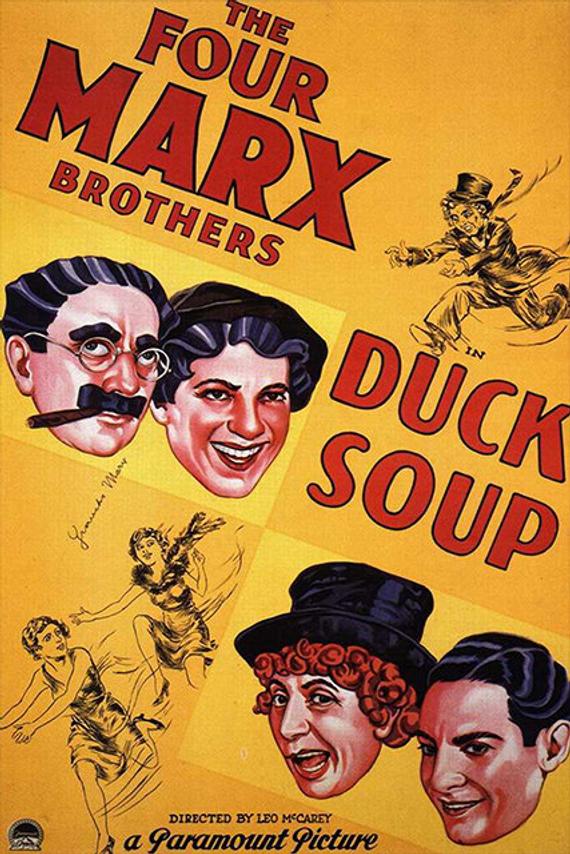
Tonight, that scheduling led me to the 68 minute movie Duck Soup, what some have called the best film featuring the EYG Hall of Famers The Marx Brothers.

For those who do not know, the Marx Brothers were Groucho, Harpo, Zeppo and Chico. They appeared in a bunch of movies together as a comedy group, sort of playing characters, but not really. In Duck Soup, Groucho played Rufus T. Firefly, the newly appointed leader of the country of Freedonia, but he was really just playing the role of Groucho Marx. The same with Harpo and Chico, basically. The fourth of the Marx Brothers, Zeppo, was more the straight man (such as Bud Abbott was in Abbott and Costello) and he generally played more of a character.

When Rufus T. Firefly was appointed leader, the opposing country sent two spies into Freedonia to uncover what they could about Firefly. These spies were, of course, Harpo and Chico. After that, Chaos ensued.

That is basically the plot of the film.

And this was a hoot.

The slapstick was just fantastic with these men. Their timing was impeccable. The Marx Brothers could not help but to make the others in the scene frustrated and flustered, and, even when it seemed to be a bit mean-spirited, you can’t help but laugh.

Now, this was 1933 and there was some humor that would not be very appropriate for 2021 and a few of the jokes made me cringe. However, there were so many other moments that just made me laugh that I can set aside the moments of impropriety

This was full of silliness, music and a lot of laughs. It also features the classic opposite mirror gag. Duck Soup was a classic and I loved the Marx Brothers as a youth (just behind Abbott and Costello). It was great revisiting it today.

All About Eve (1950)

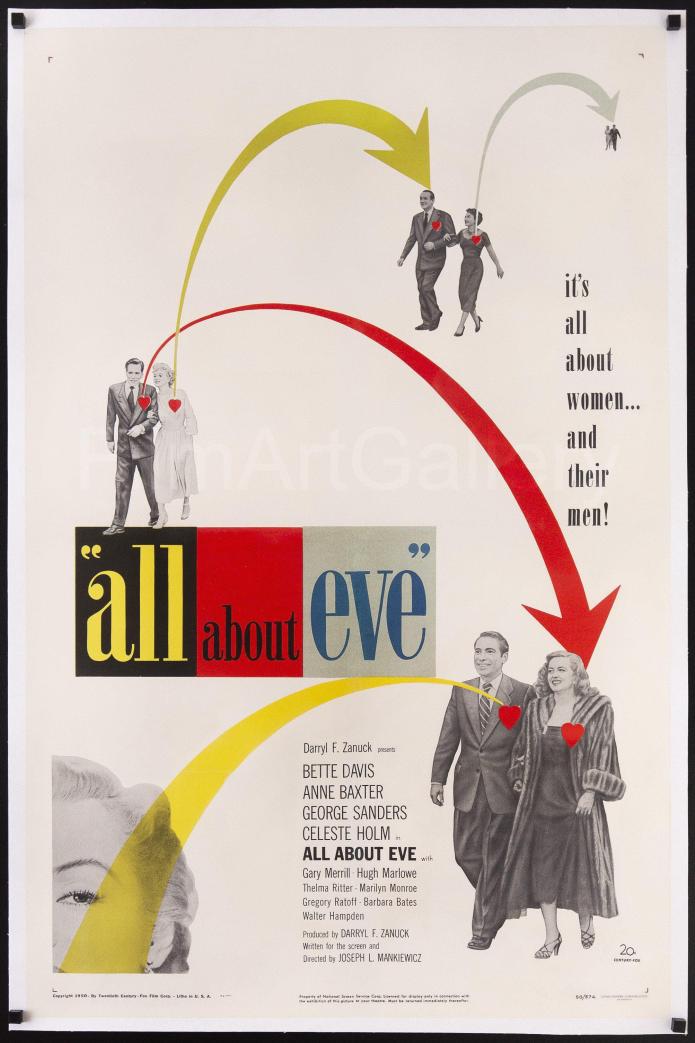
All About Eve is considered to be one of the greatest films in movie history, but it was one that I had never seen before. This is a perfect one to continue with the DailyView.

Bette Davis played Margo Channing, an aging stage actress who is approached by her uber-fan, Eve Harrington (Anne Baxter). The seemingly innocent and shy woman, Eve wormed her way into Channing’s life and, at first, seemed to be a great help. It is not too long until some of her true motivations would sneak through.

Eve has plans to first become Margo’s understudy and her manipulations continued to adjust her position, not only as an actress but also in life.

All About Eve is a real behind the scenes look at actors and the world that they lived in. The movie highlighted how selfish and self-absorbed these people were. The film does a top notch job of creating characters and developing them through the story. The dialogue was sharp and worked extremely well. The plot itself was pretty simplistic, but everything else was so well developed and done that it never bothered me.

The film may have been a touch too long, but, again, it did not have many moments that could have been dropped. Every scene had its reason and purpose.

All About Eve received a record 14 Academy Award nominations and won Best Picture (as well as five more Academy Awards). George Sanders won Best Supporting actor as Addison DeWitt, a columnist and theater critic who hooked his star to Eve.

It is a tremendous film that you should seek out and watch.

Constantine (2005)

This is a movie that I had seen parts of, but watching it today, I remembered nearly nothing from Constantine, which makes this the next entry in the DailyView binge.

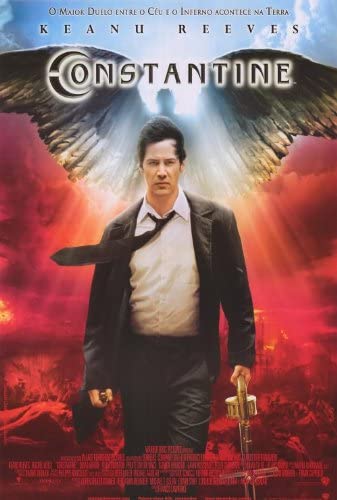
Keanu Reeves played John Constantine, a demon hunter whose job was to send demons back to Hell. This Constantine is cut out of a different cloth than the version from the comic books or the recent animated series. Reeves’ Constantine is more of an exorcist than a mystic. That does not automatically make this a lesser version though. The heart of the character feels connected.

Det. Angela Dodson (Rachel Weisz) approached Constantine after the apparent suicide of her twin sister Isabel. She did not believe that she would ever kill herself and she wanted help from Constantine to prove it. Meanwhile, Constantine is slowly dying from a blackness in his lungs from smoking (I did not ever hear them specify the cause). He knew that his soul was destined for Hell, but he was hoping his good deeds would clear the ledger and allow him into the Pearly Gates.

Tilda Swinton played the archangel Gabriel, one of several strong members of the cast. Gabriel was not used a ton, but the moments the angel was on screen were certainly impactful.

Shia LaBeouf played Constantine’s apprentice/car driver. Djimon Hounsou was Papa Midnight, the man with the balance between good and evil. Peter Stormare stole the entire third act with his arrival (despite it being kind of a deus ex machina).

The special effects of the movie were all really solid and avoided the worst of the time frame. Much of the feel of the film was influenced by the colors and the backdrop used by the filmmakers. Constantine uses the religious images particularly well as the story pits Heaven and Hell as opposing forces requiring balance. The imagery of Hell in the film were disturbing and frightening all at once.

The story, though, was a bit convoluted and could have required some adjustment in editing. Still, I found this better than many of the critics have (it is sitting at 46% at Rotten Tomatoes). I have always had a negative connotation to this movie over the years, but I thought it was decent. I liked Keanu Reeves as Constantine, even though he was a different character than the comic books.

What’s Eating Gilbert Grape (1993)

This film was recommended by one of my teacher friends awhile ago and I decided to watch it during the DailyView. 1993 and the world had a chance to see that Leonardo DiCaprio was an actor of note.

DiCaprio was nominated for an Academy Award for Best Supporting Actor for this performance, and after watching it, you can see why.

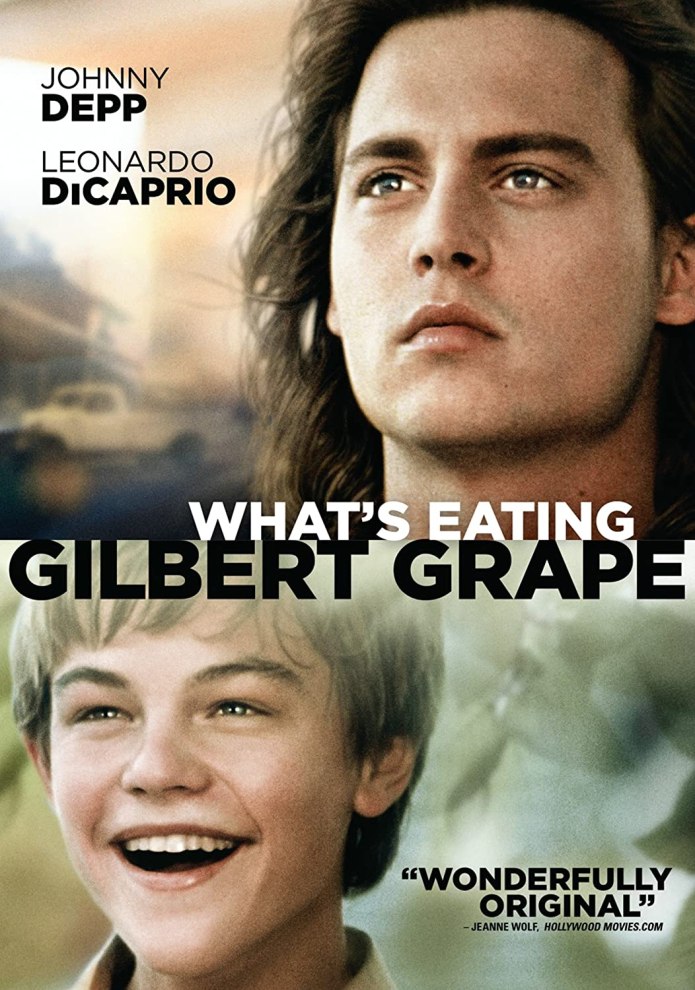
What’s Eating Gilbert Grape told the story of the Grape family in a small Midwestern town, Endora. Gilbert (Johnny Depp) was a young man who struggled to help his family survive after his father disappeared one day to never return. Adding to the difficulties for Gilbert was his mentally-disabled younger brother Arnie (Leonardo DiCaprio) and his extremely obese mother (Darlene Cates), who had been housebound since the disappearance of her husband.

Gilbert worked at the floundering mom and pop grocery store in Endora which would include deliveries to Betty Carver (Mary Steenburgen), a married woman who was having an affair with Gilbert.

Life changed for Gilbert with the arrival of Becky (Juliette Lewis) and her grandmother (Penelope Branning) in town. Their nomadic lifestyle was interrupted when their truck broke down, forcing them to wait in Endora for a part. Gilbert and Becky bonded during the time they spent in the town.

The melodrama was high and the emotional stakes were plenty. DiCaprio never once played a false note with the character of Arnie. Had I not known who Leonardo DiCaprio was, I would be sure that the actor in this film was legitimately mentally-challenged. Every minute he was on screen, DiCaprio was authentic and that was something a role like this was going to be difficult to maintain, especially for a younger actor as he was at the time.

All of these characters held a deep pain just below the surface and struggled constantly to maintain their composure. It was clear that life had been tough for them all and that the hope for a better life had drained away.

With the arrival of Becky, hope reappeared in the eyes of Gilbert, even though his budding relationship lead to other issues with Arnie. You could see Gilbert questioning his life with each moment that passed.

The film did feel a little long, especially in the first act, but the slow burn picked up as the end of the film came. What’s Eating Gilbert Grape showed a lot of heart and gave us some great character work.

Bridesmaids (2011)

Day 3 of the DailyView starts off here at EYG with a movie that I have heard some major positives about. I have heard people claim that this is the best comedy of the last 20 years. It was one of the most intriguing films to add to the list when I started planning this out. It was 2011’s Bridesmaids.

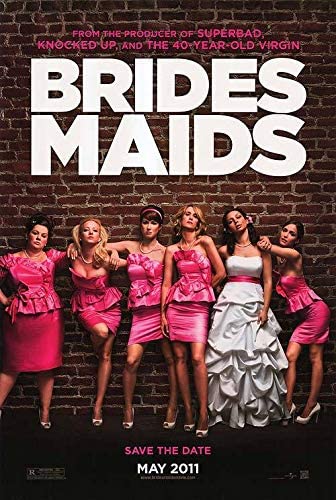
Bridesmaids star Kristen Wiig and Maya Rudolph as lifelong best friends Annie and Lillian. When Lillian told Annie her big news, she was engaged to be married, everything appeared to be perfect. She asked Annie to be her maid of honor and introduced her to the other bridesmaids. This is when chaos ensued.

Lillian’s recent friend, Helen (Rose Byrne), began to cause Annie to feel isolated from her friend and quite jealous over the wealth that Helen could provide, and Helen manipulated the circumstances to her benefit. This was not an uncommon storyline arc. It is something that we have seen in many comedies of the past.

Meanwhile, Annie, who was involved in a meaningless sexual relationship with Jon Hamm, gets pulled over by a police officer Rhodes (Chris O’Dowd) for apparent drunk driving and a broken taillight. I thought the relationship between these tow characters that would develop was one of the best parts of the film.

Another standout was Melissa McCarthy, who played Lillian’s fiancé’s sister Megan. In the world of comedy, she played the strange friend who had things about her that we did not know or understand. While we have seen this kind of character before, McCarthy played the role with such gusto that you can see how she transitioned the role into a career in movies.

My major issue with the movie is not even a problem with the movie. It is my own issue. One of the movie’s most iconic scenes was the “food poisoning” scene at the dress shop, but it is something that I absolutely hate. I have never been a fan of puke scenes and it was one that I had to skip through on mute because it was going to bother me. I know people love that scene, but, for me, it tainted everything else about the movie and nearly caused me to turn it off.

I am glad that I did not shut it off though because I was won over again by the charm of the film and the connect-ability of the characters. Thankfully the food poisoning scene was early enough in the film for me to get past it.

Yes, most of what was here was your typical comedy tropes, but Kristen Wiig, in particular, is so likable that you want to root for her even when she is the one being the jerk. I really found myself rooting for Annie and Rhodes, even though the pairing of them was the secondary storyline.

While I absolutely would not place this on the level that I have seen some place it, I enjoyed most of Bridesmaids and I was pleased that I was able to watch it. I enjoyed the female-centric film and found it, mostly, funny.

Touch of Evil (1958)

Day two of the DailyWatch is done with a classic noir written and directed by Orson Welles. Touch of Evil has plenty of ties to the world today despite being released in 1958.

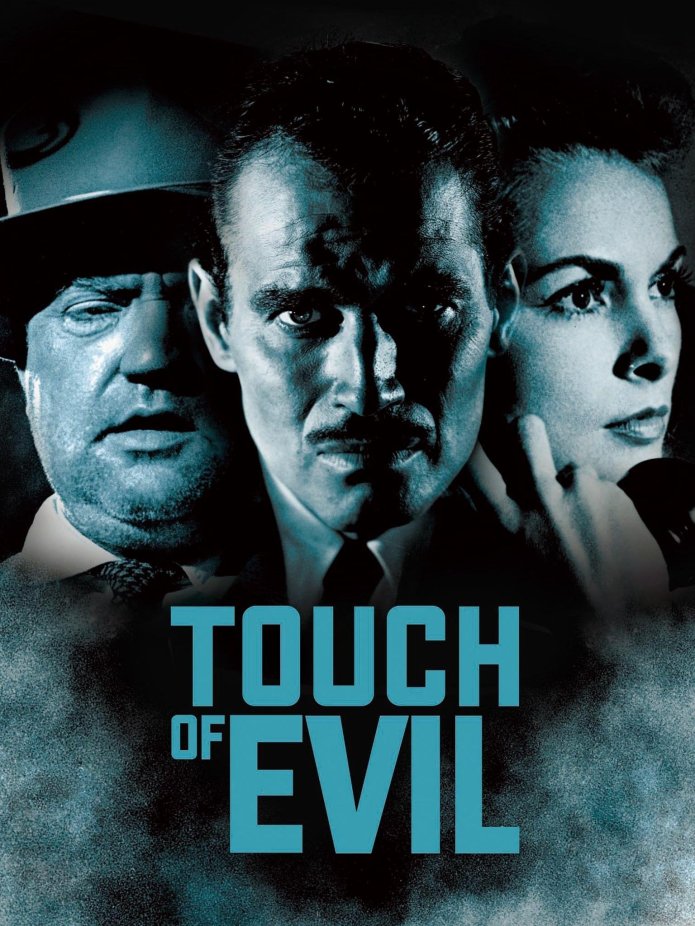
The amazing Latino actor, Charlton Heston (yes, I know. It was a major distraction throughout the whole movie) played “Mike” Vargas who was coming to a city on the border between the USA and Mexico with his new American wife Susan (Janet Leigh). Vargas was a big time Mexican narcotics officer who had to interrupt his honeymoon after a car bombing shook the town. Police Captain Hank Quinlan (Orson Welles) had the case on the US side of the border and went about hunting down suspects. Quinlan was a legendary figure in the area, but his legend was fueled by some questionable arrests that he had made.

Quinlan had narrowed the suspects down to a Mexican man named Manelo Sanchez (Victor Millan). Quinlan planted evidence in Sanchez’s room, but he had done so in a way that Vargas had known he had done it. This set the two lawmen on opposite sides of the case.

This film has so much to say about the world around us right now that it is amazing that it was made over 60 years ago. The racism on display, the police officers with their corrupt tendencies, the cartels with their drugs. The struggle between the honest police officers and those that abuse their position of authority.

Orson Welles was fantastic as the damaged detective, whose actions became worse as the film moved on. He had existed on reputation for years and when that reputation is shaken by Vargas, he spiraled out of control.

While Charlton Heston is always a great performer, seeing him as a Mexican man is something that he would never be able to do today… just ask Scarlett Johansson.

The film was beautifully shot, the black and white the perfect look for this noir. Welles clearly is a master of the director’s chair and the highlights of this film are tremendous.

Touch of Evil is a great movie that is held back by a little questionable casting.