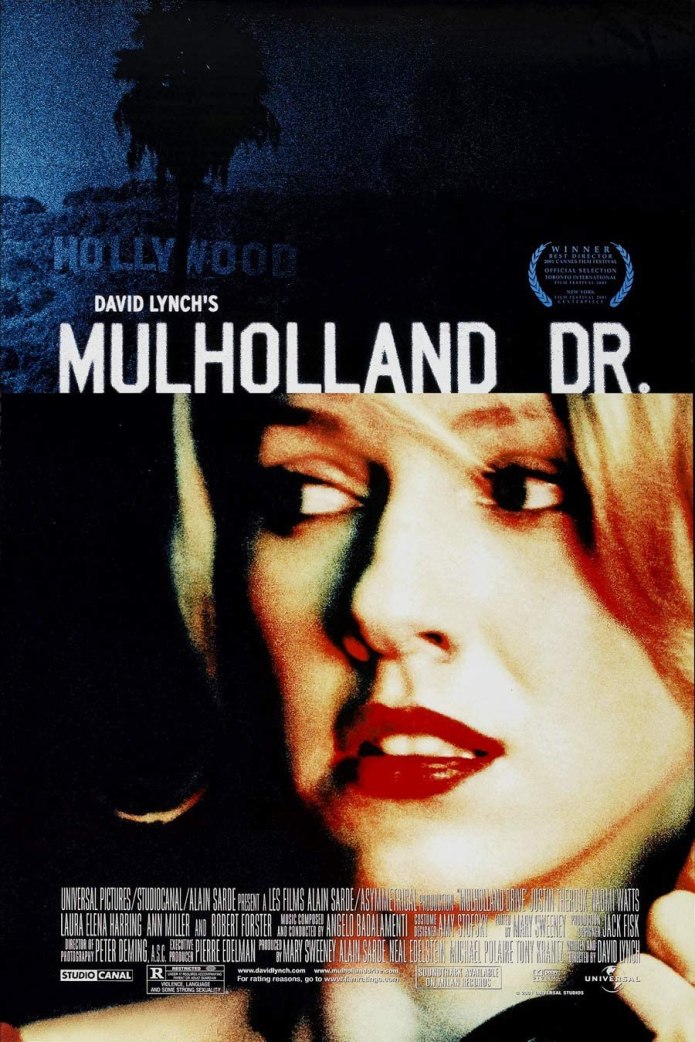
Mulholland Drive (2001)

DailyView: Day 75, Movie 127

I knew I had to really focus on this one because David Lynch has been creating bizarre movies and shows for decades. I was a huge fan of Twin Peaks, even when I was not sure exactly what was going on. So when today’s DailyView was to be Mulholland Drive, I knew I had to pay explicit attention. Even then, I came out with the same surreal feelings I had during Twin Peaks (especially season three from Showtime).

Outlining a narrative here is a challenge as well, since there is so many parts that seem to have no purpose or that dangle without any real explanation. Reportedly, this was originally developed as a pilot for a TV series and perhaps some of those plot threads were meant to be developed more during a season.

We start with a terrible car crash on Mulholland Drive in California where a beautiful woman is injured and wanders around the neighborhood. She winds up in an apartment that was empty and is found, naked in the shower, by Betty (Naomi Watts), a wannabe actress who is staying temporarily in the apartment, owned by her Aunt Ruth. The woman realizes that she has amnesia and cannot remember anything. She calls herself Rita (Laura Harring) after Rita Hayworth whose name she sees on a movie poster.

They discover Rita’s purse is filled with packets of money and a mysterious blue key. Betty and Rita begin to try and discover Rita’s true identity.

Meanwhile, there is also a subplot involving a director Adam (Justin Theroux) and his movie. He is trying to find the perfect lead for his film but his efforts are being rebuked by the mob, which has wormed their way into the project and who wants Adam to cast Camilla Rhodes.

There are so many things that happen here that are bizarre, including a strange man hiding behind the diner called Winkie’s. There were several dreamlike situations that made you wonder exactly what was happening during the movie. There is also a time when Betty disappears and Naomi Watts begins playing the character Diane Selwyn and we see this story from a new perspective, with Rita now being the mysterious Camilla Rhodes.

There was a hilarious scene involving (former LOST star, Mark Pellegrino- who was Jacob) as a hitman who is trying to locate Rita (I think) and winds up killing three people. It was a dark humor for sure, but his bumbling made the scene really funny.

The film is filled with the imagery much like many of David Lynch’s projects are. The dancing dwarf from Twin Peaks, Michael J. Anderson, is here too as a man with a small head in a wheelchair. He was apparently behind the movies in Hollywood and called Mr. Roque.

This is a wild experience and I am not sure I know what happened, but I enjoyed what I saw. It made me think back to Twin Peaks and that is always a good thing. Naomi Watts was great , as she always seems to be. Give it your attention and get your mind active.

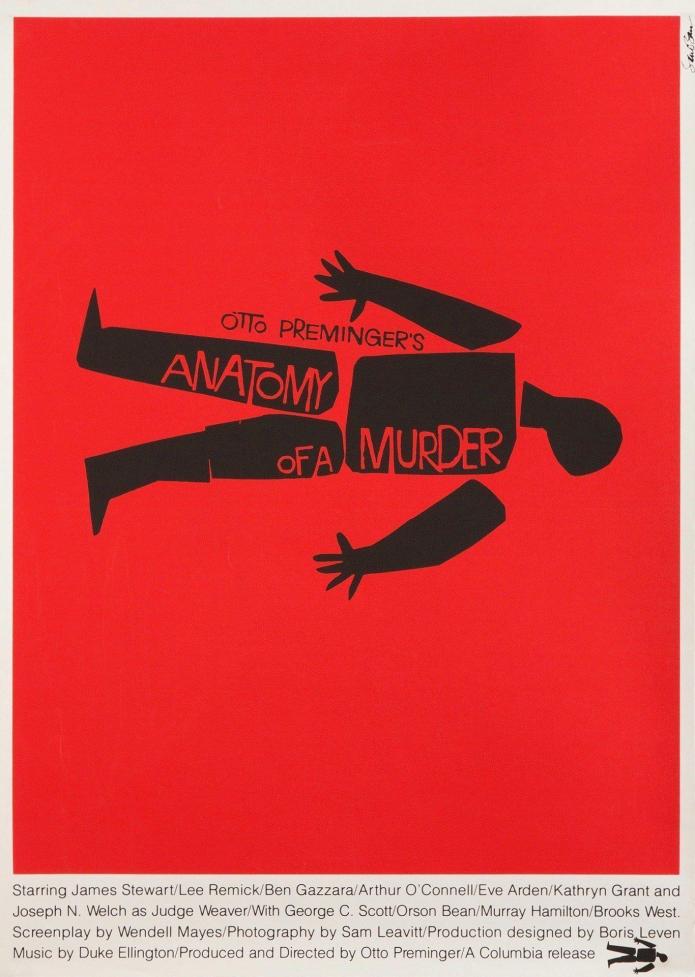
Anatomy of a Murder (1959)

DailyView: Day 74, Movie 126

I have come to really enjoy the work of actor Jimmy Stewart. I had only a limited exposure to Jimmy Stewart before I started this DailyView, but since I have added Mr. Smith Goes to Washington, The Man Who Shot Liberty Vance, and this one to my previous knowledge of Stewart’s work including Rear Window, The Man Who Knew Too Much, Vertigo, Rope, and, of course, It’s A Wonderful Life. Anatomy of a Murder fits right in with this list of classic movies from Mr. Stewart.

Directed by Otto Preminger, Anatomy of a Murder is one of the greatest courtroom drama films of all-time. The case from the film, based on a true murder, is filled with twists and keeps the audience guessing about what is truly going on.

Local Michigan attorney and recently disposed district attorney Paul Biegler (James Stewart) is approached to take the case of Frederick Manion (Ben Gazzara), a lieutenant in the army, who had been accused of murdering a bartender Barney Quill, who had supposedly raped his wife Laura (Lee Remick). Biegler knew his case was thin and that his client looked guilty, so he came up with the defense of temporary insanity.

The district attorney brings in hotshot prosecutor Claude Dancer (George C. Scott) to help with the case. Dancer tried his best to keep the reputed rape out of the trial, but once it came in, he went after Laura with a vengeance.

What I enjoyed most about the story was the way there felt as if there was something being hidden by everyone involved. I was never quite sure I knew exactly what had happened the night of the rape and eventual murder.

None of the character involved in this case, with the possible exception of Judge Weaver (Joseph N. Welch), were above reproach. Both sides of the case were shown or implied that they were coaching witnesses or downright putting witnesses into the case that were not necessarily the most honest. Laura was shown as a definite flirtatious woman who did not seem to be happy in her marriage. Manion may or may not have beaten his wife at times.

There are top line performances here including Jimmy Stewart and George C. Scott. Arthur O’Connell was an intriguing character, Parnell McCarthy, an alcoholic lawyer who teamed up with Biegler on the case. I say he is intriguing because he has little importance on the story, but he does provide an important detail for the defense.

This was a long movie, but the pacing was really solid so it seemed to pass quickly. I thought this was an exception film with a cast that took the quality material and brought it to another level.

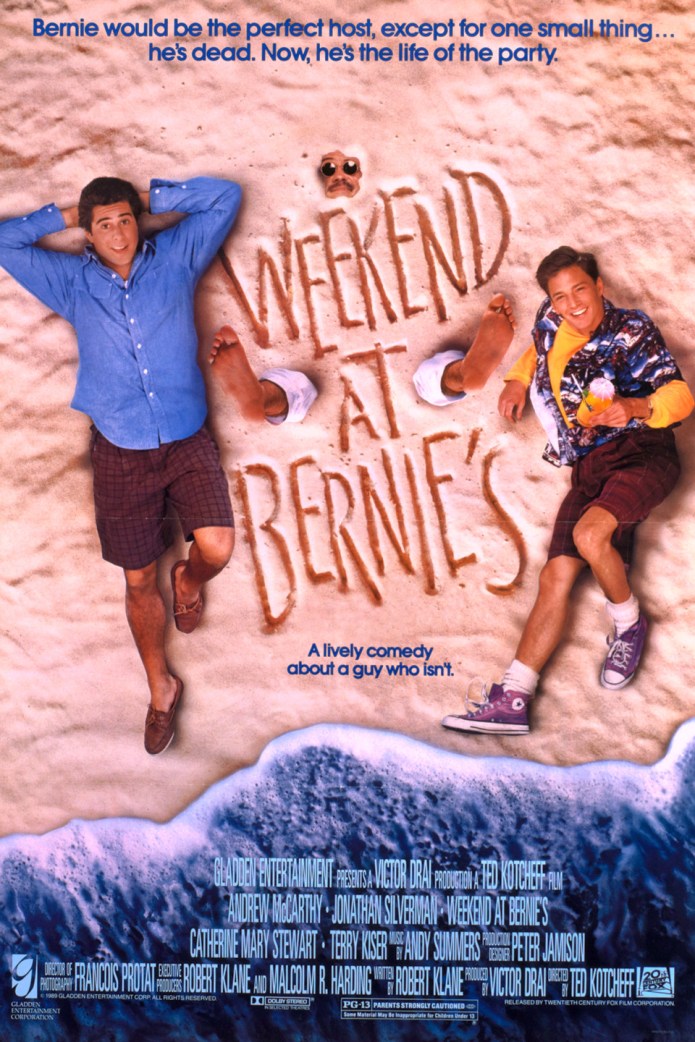
Weekend at Bernie’s (1989)

DailyView: Day 73 Movie 125

One of the most iconic films from the late eighties is Weekend at Bernie’s, but it always looked to be too stupid to watch. Yes, it was a cultural classic, but I just did not have a lot of interest. It seemed like the right time to finally watch the film for the DailyView.

This was just too stupid for me.

Two schmucks, Richard (Jonathan Silverman) and Larry (Andrew McCarthy), discovered an error in the finances of the company they worked for worth millions of dollars. Thinking this was their big break, they took the error to their boss, Bernie Lomax (Terry Kiser). Little did they know, the error was from Bernie, who was stealing from the company. Bernie invited them to his weekend house where he planned to make it look like a murder-suicide.

However, Bernie had some trouble of his own with his mafia partner (Louis Giambalvo), whose girl (Catherine Parks) Bernie was having an affair with. He decided that Bernie needed to die instead and he sent hitman (Don Calfa) to kill him. He gives Bernie an overdose and leaves him to be discovered. Richard and Larry arrive and find Bernie dead and they decide to continue the part that arrived at Bernie’s house.

They hauled Bernie around in a ton of slapstick scenes, apparently meant to be funny.

I guess Bernie’s body does not stiffen after death.

This was so frenetic and chaotic and just downright stupid that I checked out early into the main arc of the story. I did not like either of the leads and using the dead body as a prop overstayed its welcome. I have no idea how they squeezed out a sequel to this, but I will not be finding out.

There was nothing funny here. Bernie is dead. That was the entire joke. That was not funny. I do not even remember giggling once. I disliked Weekend at Bernie’s no matter how much of a classic it is considered.

This one was DOA for me.

Devil (2010)

DailyView: Day 72, Movie 124

I remember seeing trailers for this movie and having a laugh that they did not want to put the name of M. Night Shyamalan on the trailer. They would list something like “From the writer of The Sixth Sense” or something like that. M. Night was still pretty toxic at that point.

However, the film was a surprise for me. I enjoyed the film way more than I expected.

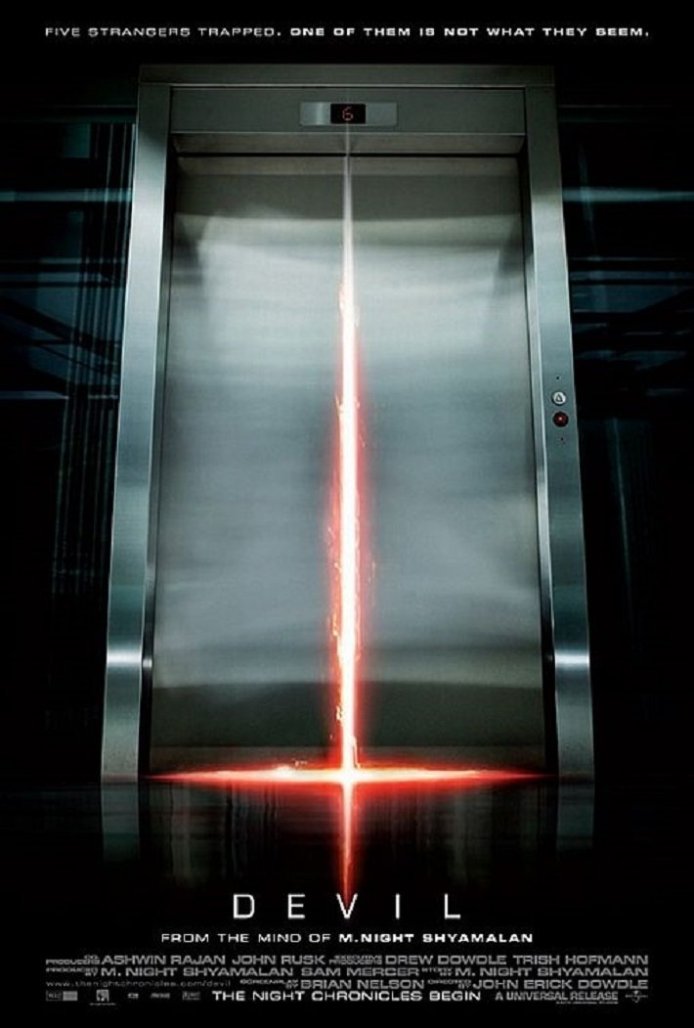
The basic premise is that five people are stranded together in an elevator as some magical force began to work on the building and the elevator which lead to the death of some of the passengers. A police detective (Chris Messina), who was working on a suicide case in the building already, took over the handling of the elevator case and desperately tried to save the remaining victims.

The claustrophobic setting created a great deal of tension in the elevator as you were never sure who was the one doing the killing. The movie implies that the devil can take the form of a human to punish those who deserve it, and we find that everybody in the elevator had a severely checkered past or were a downright rotten person.

Most of the cast were actors who I had not recognized or who have had roles that I was not familiar with. I recognized the Old Woman, as IMDB named her, in Jenny O’Hara and Logan Marshall-Green was a name I recognized (he played the first Shocker in Spider-Man: Homecoming). The other main actors of the film included Bokeem Woodbine, Caroline Dhavernas (from TV show Hannibal), Jacob Vargas, Geoffrey Arend, Matt Craven, Joe Cobden, and Bojana Novakovic.

It is far from a perfect film. The story is a bit conventional and there is little effects for the frights. The film does do a solid job with the low budget on creating the anxiousness of the tone.

In the end, I am happy that I gave this a chance. It was more entertaining than I thought it was going to be. Perhaps this could be considered the start of the M. Night Shyamalan resurgence with his new movie Old coming out soon.

Going in Style (1979)

DailyView: Day 71, Movies 123

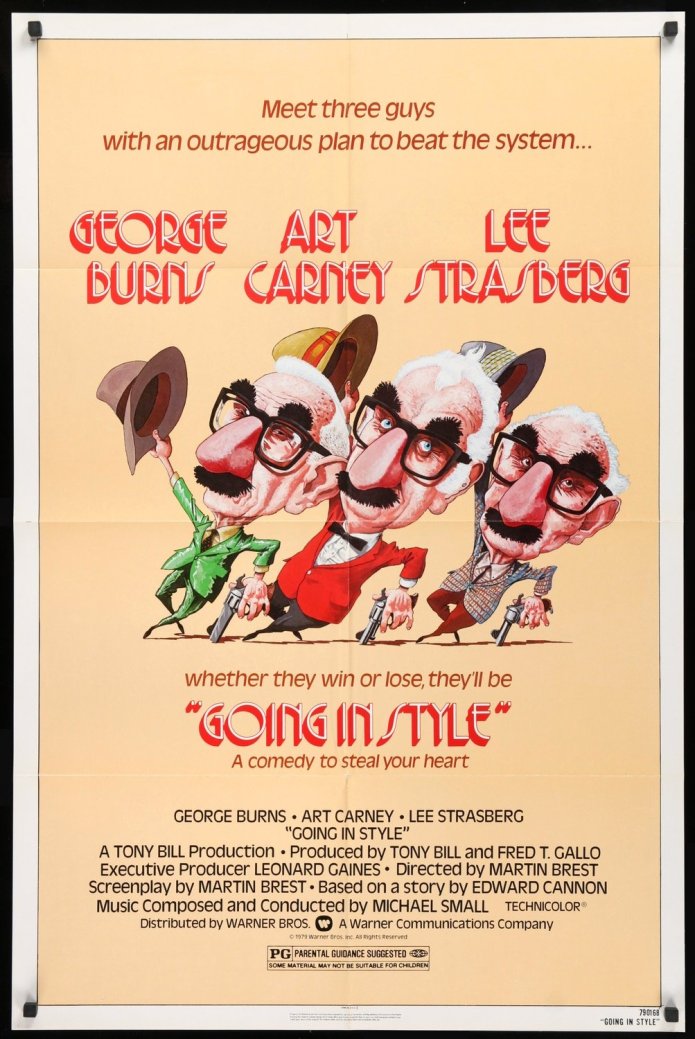
I needed something to cleanse my palate after watching that atrocious Benchwarmers movie, so I picked out something with George Burns. Going in Style was a buddy film from the 1970s with George Burns, Art Carney and Lee Strasberg.

I had seen the remake of this movie a few years ago with Morgan Freeman, Alan Arkin and Michael Caine. That movie was not a very good film and was quite different from the 1979 version.

Wanting to feel young and get some excitement back into their lives, three friends, Joe (George Burns), Al (Art Carney) and Willie (Lee Strasberg) decided to rob a bank. Led by Joe, the three of them planned and executed the robbery, getting away with over 35 thousand dollars. Unfortunately, after the robbery, their age began to catch up with them.

The film is based mainly around the likeability of George Burns and Art Carney and their performances are just great in this movie. While the remake tried to bring more of a reason behind the robbery, this version’s reasoning why the three guys robbed the bank is simple and something that everyone can understand.

There is also a strong emotional beat in the movie. The three lead characters show how tight they were and how important they were with one another. Their friendship was such a vital part of the film. I was emotional with the involvement of Pete (Charles Hallahan) and his family in a couple of specific scenes. There was so much kindness in the scene that hit a note with me.

Going in Style is a solid and an enjoyable film that holds up.

The Benchwarmers (2006)

DailyView: Day 71, Movie 122

DailyView struck out today BIG TIME!

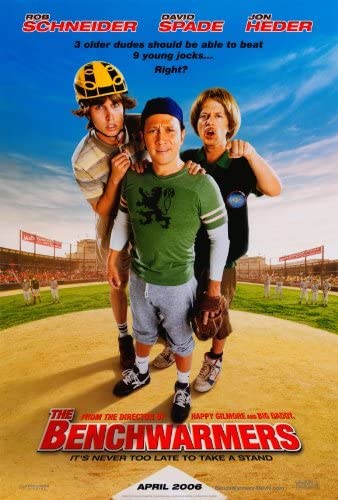
The Benchwarmers was leaving HBO Max this month so I put it on. I had not realized that this was a Rob Schneider/David Spade film. That was strike one. I started it up anyway with the hope that it might surprise me.

It didn’t.

It was mean-spirited, crude, and a total insult to the game of baseball. It tries to use an anti-bullying message to give it more depth, but it only succeeds in making further fun of the topic. It is amazing that an anti-bullying movie can be so much of a bully.

There are fart jokes, one puke joke, sex jokes. The movie is downright sophomoric and stupid. It is insulting and idiotic.

It goes into my list of most hated movies. I hated every second of this film.

Domestic Disturbance (2001)

DailyView: Day 70, Movie 121

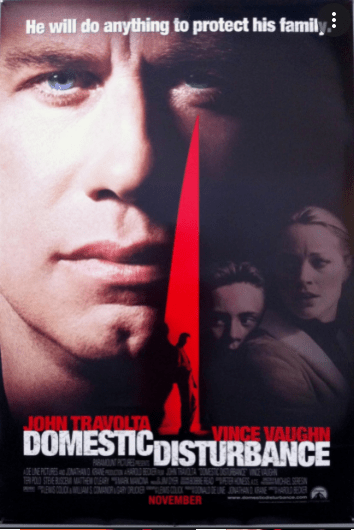
The DailyView movie for the day is an older John Travolta movie called Domestic Disturbance that also featured Vince Vaughn in the villain role.

John Travolta played Frank Morrison, a shipbuilder, whose ex-wife Susan (Teri Polo) was getting married to a new man named Rick (Vince Vaughn) and Frank and Susan’s son Danny (Matt O’Leary) was acting out because of it. Danny had a history of bad behavior and lying when things were bothering him, so it seemed to be nothing new. However, when Danny told his father that Rick had murdered a man (Steve Buscemi), the young boy’s word comes into question.

The movie is okay. There is nothing terribly bad about it. Travolta and Vaughn do a decent job in their roles and Matt O’Leary is solid as the young boy. Issues with the movie fall into characterizations and specifics.

Vince Vaughn goes from good and decent man trying to get Danny’s approval into dirtbag murderer really quickly, and the movie does not go into much specifics about why he was the way he was. It really was jarring to go from fishing on a boat with Frank and Danny to burning the dead body of an old associate and threatening Danny with violence. Because of the rapid quick change, it hurts the overall narrative of the movie. The trope of adults not believing a child is here too, which, at first, I thought Frank was going to break. It seemed as if Travolta was going to believe Danny, but he lashed out at the boy verbally at a point showing us that he did not believe him. That was a disappointing moment of the movie.

The film implies that Frank and Susan’s marriage fell apart because of Frank’s drinking and we see one scene where Frank drinks some, but there is little else spelled out.

There are plenty of scenes that are rushed through too. The entire custody section of the film takes all of three scenes to deal with and feels as if it were tacked on for the movie to get to the conclusion.

It is amazing how Rick has been able to get by this long since he reacts in violent manners so quickly. None of the characters of the movie really feel consistent, with the exception of Danny.

This movie feels like one that could have used another trip through the editing process and a recontextualizing of how these characters are meant to be portrayed. It is not the worst movie and the actors are fine, but the the film’s overall quality is not to the point it could have been.

Adam’s Rib (1949)

DailyView: Day 69, Movie 120

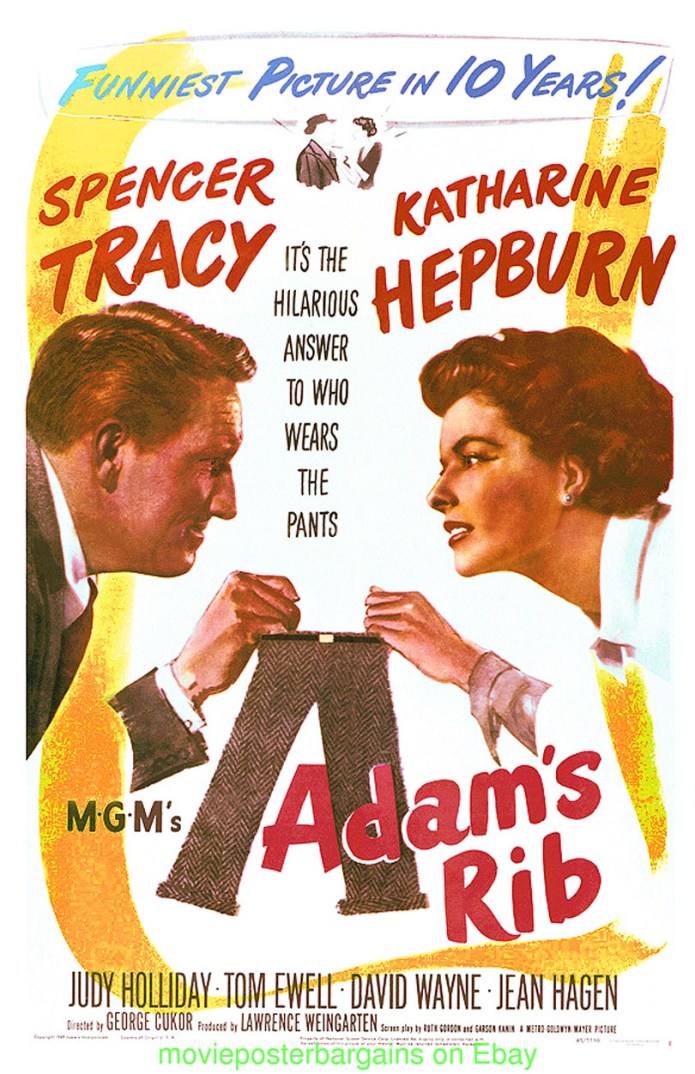
One of the movies that is heading off HBO Max this month is this black and white comedic classic from 1949. Adam’s Rib stars two of Hollywood’s gigantic stars, Spencer Tracy and Katharine Hepburn in a early day of the sexual revolution.

Adam Bonner (Spencer Tracy) and Amanda Bonner (Katharine Hepburn) are a happily married couple and they are both lawyers. When a case of an unhappy wife (Judy Holliday) trying to shoot her adulterous and uncaring husband (Tom Ewell) come up, Adam becomes the prosecutor, and Amanda, seeing a case that could forward her ideas on equality of the sexes, takes the defense. As the trial becomes competitive, cracks begin to form in the marriage between the lawyers.

Tracy and Hepburn are great here. They are funny, engaging and filled with chemistry. They were a real life couple in one of the worst hidden secrets in Hollywood at the time. You can tell how strong of the feelings there are between them and it surely transfers to the screen. The movie is absolutely carried by the pair of them.

Having said that, I did have some issues with the trial in the movie. There were a lot of the witnesses that were called that did not seem to have anything to do with the case at hand. I know it was done as comedy, but some of the things from the trial did pull me out of the movie.

This movie did feel ahead of its time and does a great job showing how both similar and different men and women can be.

Jeremiah Johnson (1972)

DailyView: Day 69, Movie 119

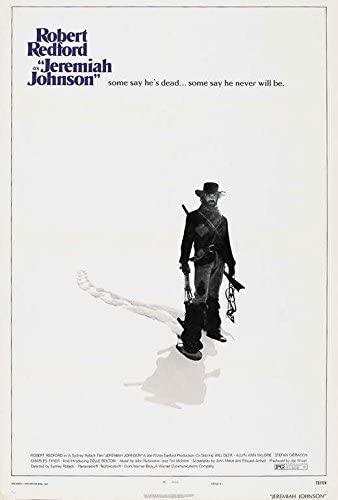
I came across this movie on HBO Max and I had never heard of it before. It starred Robert Redford and the synopsis made it sound like Grizzly Adams. I used to like that show back when I was young, so I put this on my queue.

There was little comparison between the two. Redford looked like Adams a touch and there was a Mad Jack type character early in the movie, but he gets left behind and Jeremiah Johnson becomes a different story than a greenhorn trying to learn how to survive in the mountains.

Jeremiah Johnson (Robert Redford) made his way into the mountains to live a life of seclusion. After learning to survive in the harsh environment of the mountains, Johnson began his trek through the countryside. As he did this, he ended up an Indian bride (Delle Bolton) and a traumatized boy who did not speak (Josh Albee).

When leading a rescue party of the US Calvary, Jeremiah had to lead them through the Native American tribe, the Crows’s sacred burial ground and this triggered a long vendetta from the Indians. Tragedy and revenge followed for the remainder of the film.

Robert Redford was excellent in this role. You can see how he developed from a “pilgrim” as he was called by Bear Claw (Will Geer), a fellow mountain man, to a legend who was spoken about in hyperbolic terms.

Directed by Sydney Pollack, Jeremiah Johnson is slowly paced, allowing the viewer to understand the passage of time and to enjoy the surroundings of the film. There are some gorgeous scenery in these mountains and they act almost like a second character. Some may claim that this is a boring movie because of the pacing, but I found it to be fully immersing in the character and the manner in which his life developed.

The movie is based on Raymond Thorp and Robert Bunker’s book Crow Killer: The Saga of Liver-Eating Johnson and Vardis Fisher ‘s novel Mountain Men. It was an impressive movie, especially since I had not heard of it before.

The King’s Speech (2010)

DailyView: Day 68, Movie 118

I had always avoided The King’s Speech because I could not believe that any movie about a stuttering royal monarch could be anything but dull and pretentious.

I was 100% wrong about that.

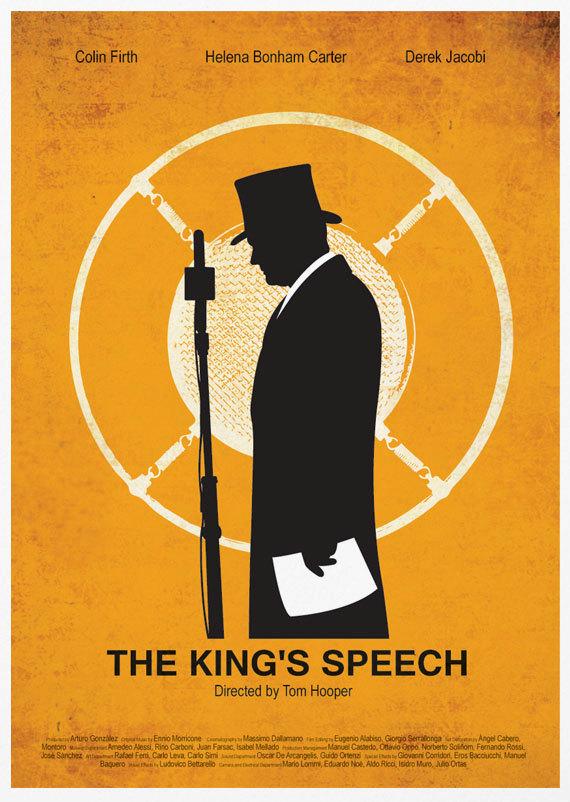
This was an amazing, personal, suspenseful movie about a man and his struggles against a lifelong disability that is handled with love and dedication. The film is a masterpiece.

On the brink of war with Germany, King George VI (Colin Firth) needed to deliver a speech to a scared and anxious country, but the stammering that had plagued King George VI his entire life threatened to disrupt his nation’s confidence and put them at the mercy of history.

Before he had become King George VI, Prince Albert had been seeking help with his stuttering. His wife, Elizabeth (Helena Bonham Carter) had discovered an unlikely aid in Lionel Logue (Geoffrey Rush), an Australian actor and speech therapist. Lionel’s techniques are uncommon and there is a bond of friendship that forms between them.

Colin Firth is brilliant as the frustrated and ashamed stuttering king. He brings so much anguish to the scenes where frustration and fear is overcoming him and he brings such a passion to scene where he is swearing, singing, screaming… all in an attempt to be able to overcome his stammer. It is such a personal story, one of intense internal strife that I could not believe what I was seeing. I never thought there could be such a thrilling and intense series of scenes concerning speech pathology. Firth is rewarded for his efforts with an Academy Award for Best Actor.

Another powerful performance comes from Geoffrey Rush, whose eccentric Lionel Logue heads right to the heart of the issue, despite Albert not wanting to be as personal as it was becoming. Rush was steady and brought such a good humor and a kindness while being tough with his, at times, unwilling subject.

Of course this was a true story and it is placed in a massive time for England as the Nazis in Germany were becoming a world problem and England was stepping up to take its place as a leader.

Tom Hooper, who was also awarded the Oscar for best director, brings such life to the film, a film that could have easily have been stodgy and dull. He brought the best work out of these actors and found the way to highlight the historic moments with a grace and an air of mystery.

I would never had said that The King’s Speech would be a film that I would have enjoyed, but it was just a wonderfully human time.

Columbo: Prescription Murder (1968)

DailyView: Day 68, Movie 117

“There’s one more thing…”

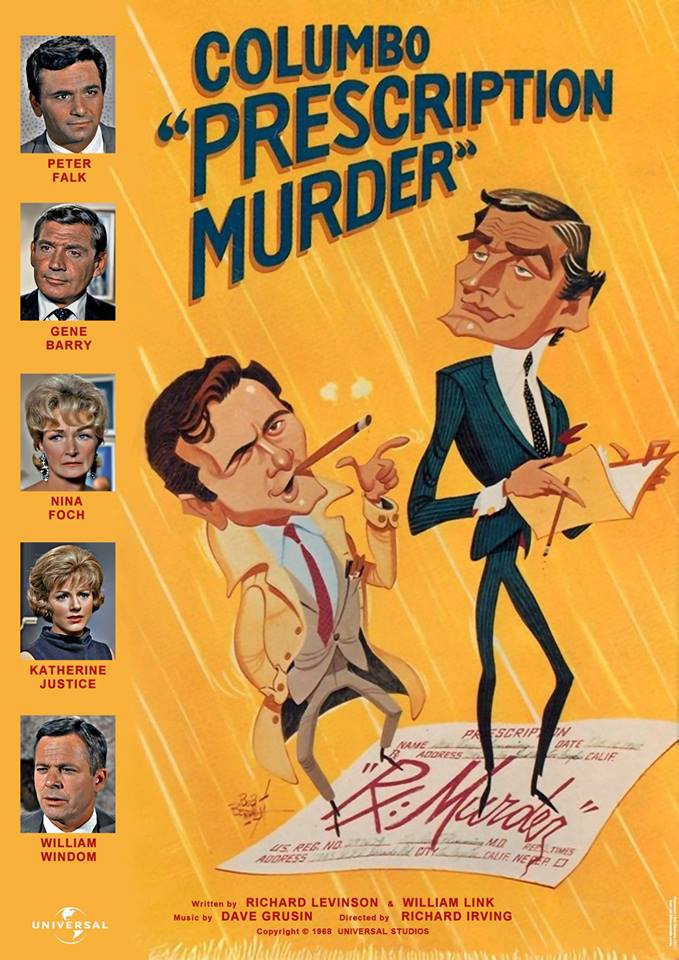
One of the most iconic television detectives, Lt. Columbo, made his debut in the TV movie, Prescription Murder. The amazing Peter Falk would spend decades with his recognizable trench coat and irritating manner, harassing criminals into revealing their crimes.

Dr. Ray Flemming (Gene Barry) was having an affair with an actress (Katherine Justice) and wants to get rid of his wife (Nina Foch). He sets up an intricate plot to cover the murder of his wife, which included a trip to Mexico. When he returned, he was being questioned by a police detective who always had just one more thing to ask.

Columbo was a different type of detective story. In these cases, we, the audience, knew from the start who the murderer was. We saw the case begin and we see the murder take place. We knew each step that Dr. Flemming did and how precise the crime. The mystery in this film is not whodunnit, but how was Columbo going to catch him. Through all of the small details of the case, things begin to add up and we can see how Columbo is like the proverbial dog with a bone.

Peter Falk turned this movie into a long and illustrious career playing the police detective. The formula worked for years, showing how clever Columbo would be and how he inspired the creation of decades worth of detectives from Jessica Fletcher to Adrian Monk.

The most endearing trait about Columbo is his odd idiosyncrasies, many of which were ad-libbed by Peter Falk. These gave Columbo a real person vibe, a down to earth, blue color presence, despite his obvious brilliance. This is easily Peter Falk’s most iconic role and one of the greatest TV characters of all-time.

Yankee Doodle Dandy (1942)

DailyView: Day 67, Movie 116

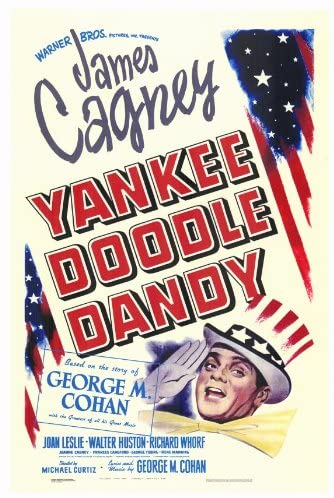
One more DailyView film for the Fourth of July, once again playing on TCM, is Yankee Doodle Dandy, the biopic on the life of George M. Cohan.

Yankee Doodle Dandy followed the life of George M. Cohan (James Cagney) from his early days as a child star working with his father Jerry (Walter Huston) and mother Nellie (Rosemary DeCamp) to his comeback playing President Roosevelt.

This movie has two main attractions: the amazing music from Cohan and an Oscar winning performance from James Cagney. This certainly is the heavy focus of the movie. There is not as much about Cohan’s life outside of his theater work in this movie. In fact, most of the negative parts of Cohan’s life have been removed or ignored in this biopic.

There have been plenty of movies that are elevated by a profound lead performance from an actor, and Yankee Doodle Dandy feels as if this is one of those.

However, that is enough for an entertaining movie. The music alone is tremendous and shows how talented George M. Cohan was as a songwriter. Cagney’s performance brought the arrogance of the total package performer to light. He seemed to be tough to put up with at times, but people wanted to hook their wagon to his talent.

There were a few moments in this movie that do not play well today. For example, showing the 4 Cohans act in Vaudeville in blackface was a bit shocking. I know in 1942 when this was released, things were seen differently, but it was still an unexpected shock to see it.

A great performance can carry a movie and James Cagney’s performance here did that here. Yankee Doodle Dandy was a good movie for the 4th.

The Music Man (1962)

DailyView: Day 67, Movie 115

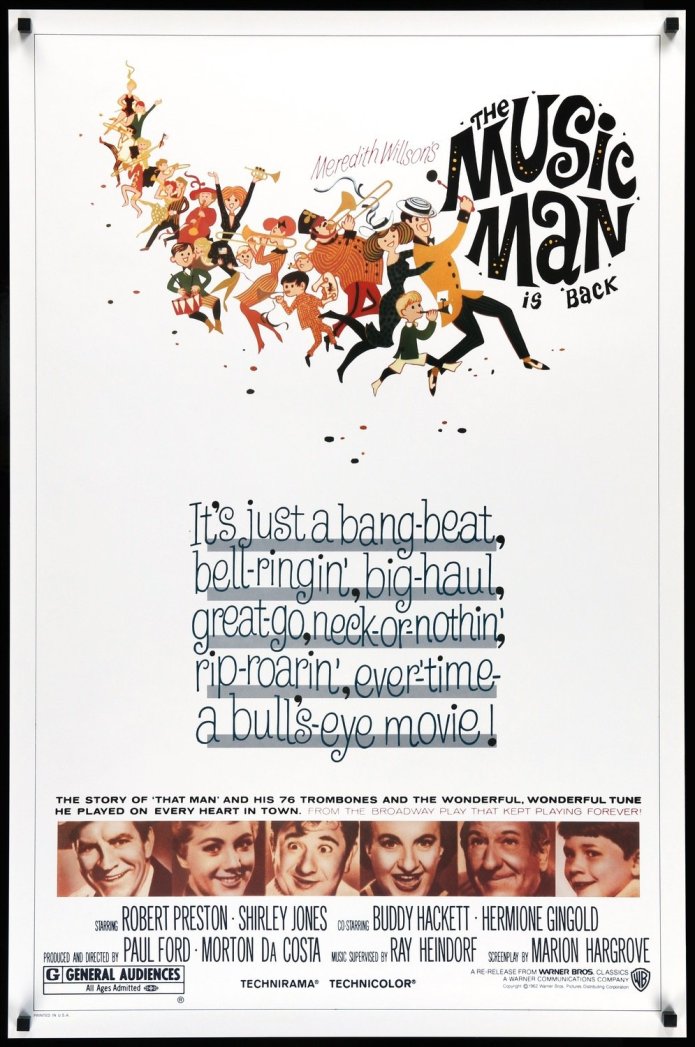
We’re back with another 4th of July movie for the DailyView, and this time I found a classic playing on TCM (Turner Classic Movies) called The Music Man. Set here in Iowa, this is a well known musical with a bunch of songs that were familiar to me. I had a basic idea of the story, but I had never watched this until now.

Con man Harold Hill (Robert Preston) arrived in River City, Iowa with a plan. He pretended to be a music professor from Gary, Indiana (Gary, Indiana…Gary, In-di-an-a). His scam was to convince the townspeople that the youth problems would be solved by forming a band, selling the kids the musical instruments, uniforms and music.

His co-conspirator, Marcellus Washburn (Buddy Hackett) provided some comedic relief to keep the “Professor” real. He was a friend of one of Hill’s former grifter colleagues. Hill needed the librarian and local music teacher Marion (Shirley Jones) to support his ideas so the townspeople would go along, but he found more than he expected from her and her little brother Winthrop (Ron Howard).

Of course, the heart of The Music Man is Robert Preston and Shirley Jones and the movie only works if their chemistry and talents work, and they absolutely do. Shirley Jones, who winds up in the Partridge Family, had been coming off Oklahoma and so she had a significant experience in the genre.

Seeing a young Ron Howard (dubbed Ronny Howard in the credits) was a weird surprise. Howard’s character, Winthrop, was another way that Harold Hill won over Marion. Winthrop was sullen and withdrawn, refusing to speak much at all because of the death of his father from the year before. He also had to deal with a speech impediment that was an area of embarrassment. Ronny Howard showed the future he was going to have soon with the Andy Griffith Show, Happy Days, American Graffiti and the eventual director chair.

There is amazing choreography in The Music Man too as the dance numbers fill the screen with joy and energy. The scene near the end at the dance festival is so much fun and lively.

The Music Man came from Broadway and most of the songs by Meredith Wilson were used. The Broadway production won multiple Tony Awards prior to the adaption for the big screen. The Music Man has been recreated for years since, with high schools performing the play over and again.

The film is a tad long and does feel like a play being filmed (much like the movie Fences or Hamilton), but there is a reason it is considered such a classic. The world loves the story of redemption and watching the love of a good woman change this con man appeals to the audience as a whole.

Plus, the music is great.

Being Evel (2015)

DailyView: Day 67, Movie 114

“Fast, faster and disaster.” -Johnny Knoxville

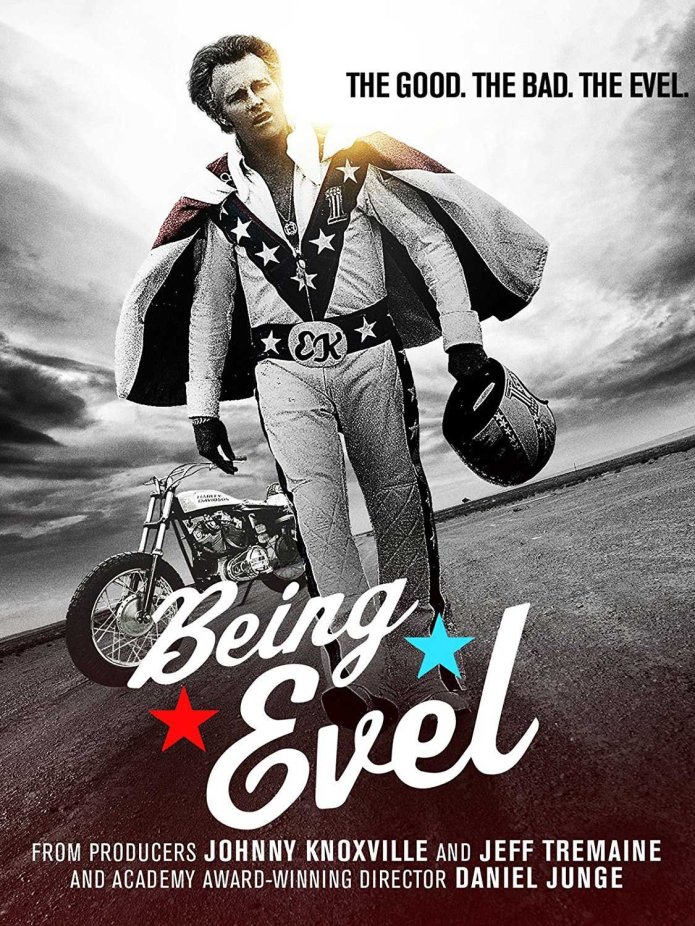
The next July 4th DailyView film is a documentary of someone who, as a young boy growing up in the late seventies, early eighties, you could not help but idolize. Robert ‘Evel” Knievel rode his motorcycle into my mind as a young boy and took his place as a hero for me.

I had no idea about what kind of a man Evel Knievel actually was. I was just a dumb little kid. It shocked me when they started talking about Knievel’s Snake River attempted jump because I remembered that. I remember watching it. I would have only been 5 years old, and that blows my mind.

I had the Evel Knievel cycle toys that were mentioned here. I oved those, despite them never working as well as they did in the commercials they showed.

Evel Knievel was one of my childhood heroes, and I was not the only one. Johnny Knoxville, from Jackass fame, was inspired by Knievel as well and he was the main thrust behind the documentary, Being Evel.

Being Evel was a well-balanced, well-constructed documentary that looked at Robert Knievel’s life from a little rambunctious kid to the apologetic man on his deathbed, and every wart in between. The film did not take a rose-colored glasses view of Evel Knievel and got plenty of voices from people in the know. There was also more tape on Knievel speaking than I had ever heard. There was truth behind the hero, who was not always heroic, that the film does a fantastic job of displaying.

Evel Knievel was larger than life for much of the American public during the 1970s, and the fascination of that public is a theme of this documentary. Filmmaker Daniel Junge gave us a special insight into the character of Evel Knievel and the drawbacks of Robert Knievel and how they were sometimes at odds with each other.

We saw how Evel Knievel was able to take his ability to jump a motorcycle and turn it into a spectacle, something that would attract the attention of the public that he so clearly craved. It showed us how lavish of a lifestyle he led, comparing Knievel to Elvis Presley and Liberace.

The footage of the crashes are right there, a major part of any story of Evel Knievel’s life. Some of them are difficult to watch. It was a powerful moment of uncertainty, and you can feel what the unknowing crowd must have felt watching this live.

He used to wear the red, white and blue jumpsuit and to someone like me, Evel Knievel was like a superhero. This documentary shows that side but is not afraid to give you an understanding of what was behind the façade.

National Treasure (2004)

DailyView: Day 67, Movie 113

Happy Fourth of July!

The DailyView is on the path for a star-spangled day today. I am looking at those all-American movies dealing with our country’s history or pride. First up is the Nic Cage action film, National Treasure.

Ben Gates (Nic Cage) is a historian whose family has been searching for a treasure that is at the heart of a conspiracy theory passed down throughout his family for generations. The legend included stories involving the Founding Fathers and secret societies. It has consumed much of Gates’s life searching for the treasure. When he found a certain clue, it led him to the belief that the secret of finding the treasure was to be found in invisible ink on the back of the Declaration of Independence.

National Treasure asks a lot of the viewing audience. It wants you be accept some really unrealistic situations and set ups. You have to be able to accept the irrational and improbable or else this entire movie falls apart under the weigh of the premise.

However, if you are able to look past the impossible, National Treasure provides a ton of fun and excitement. Yes, it may be a poor man’s Indiana Jones, but imitation, they say, is the sincerest form of flattery.

Of course, one of the biggest absurdities is what the Declaration of Independence goes through during the movie. To think that a document that old would be sturdy enough to take the beating that it does is difficult to look past.

As I said, National Treasure asks for its audience to look past the flaws in the plot and to focus in on the rollicking good time that it provides. And it is a good time. It may be a touch long, but it shows how important intelligence is in the world. It is not just about dumb action set pieces. It is about history and how important it is to know about the history of our country.

Nicolas Cage is great with this kind of role. He is willing to play over-the-top characters and he is very believable as a modern day treasure hunter. His sidekick, Riley (Justin Bartha) is given all of the best lines and knocks them out of the park. Jon Voight plays Ben’s father, whose life led him to disbelieve in the existence of the treasure. Sean Bean is here playing the “Belloq” (the character in opposition to Indy in Raiders of the Lost Ark) role and he does a decent job, although I do not ever really feel as if he is a match for our heroes, even when it appears that he is in control.

You can’t nitpick this film because you will be doing it all day. If you want to have a good time, shut off your brain and let the action in.

This is the smartest dumb movie you’ll ever see.