The Lost Daughter (2021)

Maggie Gyllenhaal and her directorial feature debut arrived on Netflix this weekend, a film that had been released in selected theaters to make it eligible for the Academy Awards. There is a lot to like in this one.

Speaking specifically is Olivia Colman, who is one of the best actors we have working today. Every time she goes on the screen, there are wonderful results.

In this film, Colman played Leda, a middle aged English teacher who had two female children. Leda is on vacation in southern Italy where she spends time on the beach. While on the beach, she sees another family on vacation, a family that were made up of some unfriendly people.

When the family loses track of a little girl, Leda finds her and brings her back. However, Leda also sees a doll in the water that she takes. The little girl was constantly crying over the missing doll, but Leda still took it back to her hotel room.

During this time, we had flashbacks to the time in Leda’s life where her daughters were very young and she was struggling to try and advance her career. Leda (young Leda played by Jessie Buckley) was having trouble with her girls’ behavior and the constant attention they required. She went to NYC and ended up in an affair with another professor (Peter Sarsgaard).

The film is filled with uncertainty and mystery. I know that I was not sure where the film was leading us and, even after seeing it, I am not sure exactly what had happened. I believe there are hints throughout the film that it may be more tragic than what it seemed like. And not just the conclusion either.

Olivia Colman is awesome as ever. She helped create the potential interpretations with the manner in which she approached the character. You may have some different ideas of what happened in the end and I do like the possible results.

The Lost Daughter may be a little long, but it is a fascinating film with a debate over the conclusion.

3.75 stars
Descendants (2015)

DailyView: Day 248, Movie 347

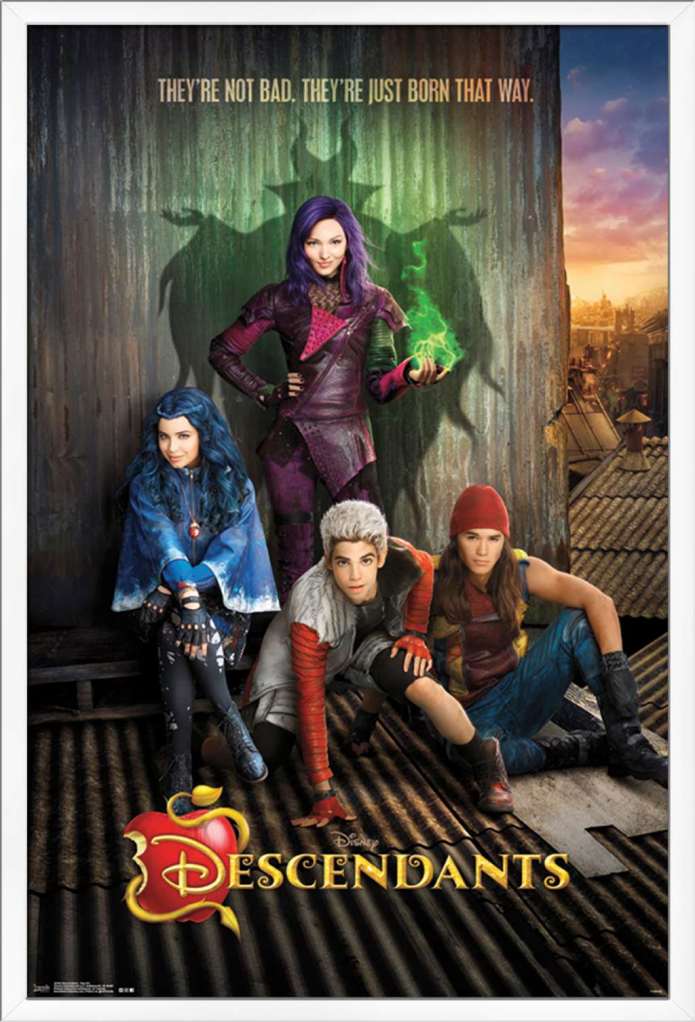
I was very excited about Descendants. I had not known what it was and when I looked into it, I thought the premise was cool. I’ve always liked the use of fairy tale characters like this. I loved Once Upon a Time and this sounded much like that. A high Rotten Tomatoes score helped to cement the choice.

Then I watched it.

I was really disappointed.

I was bored by it in the first 20 minutes. The music was alright. I mean, Disney knows how to add music to movies, but I felt no connection to any of the characters, the story was sadly predictable and the humor was inane.

The villain parents are so ridiculously over-the-top that it could only appeal to young, young viewers. That is the fact with this movie. It is targeted to young teens. That makes sense, of course. What did not make sense was the Rotten Tomatoes score of 90%. Upon further investigation, I see that there were only 10 reviews on the site for this film. That made more sense.

Having said that, the scene with Mal (Dove Cameron), daughter of Maleficent, and Queen Leah (Judith Maxie), mother of Sleeping Beauty, was well done. How Queen Leah reacted to the presence of Mal at this dinner party was understandable and powerful, even though unfair. That was a character development highlight for me.

The conclusion was sentimental and predictable, but it wasn’t the worst part of the film. Not quite a rave, but the coronation ceremony could have been way worse.

This could be acceptable to the lower teen set, but parents are going to have a hard time finding much to enjoy about Descendants.

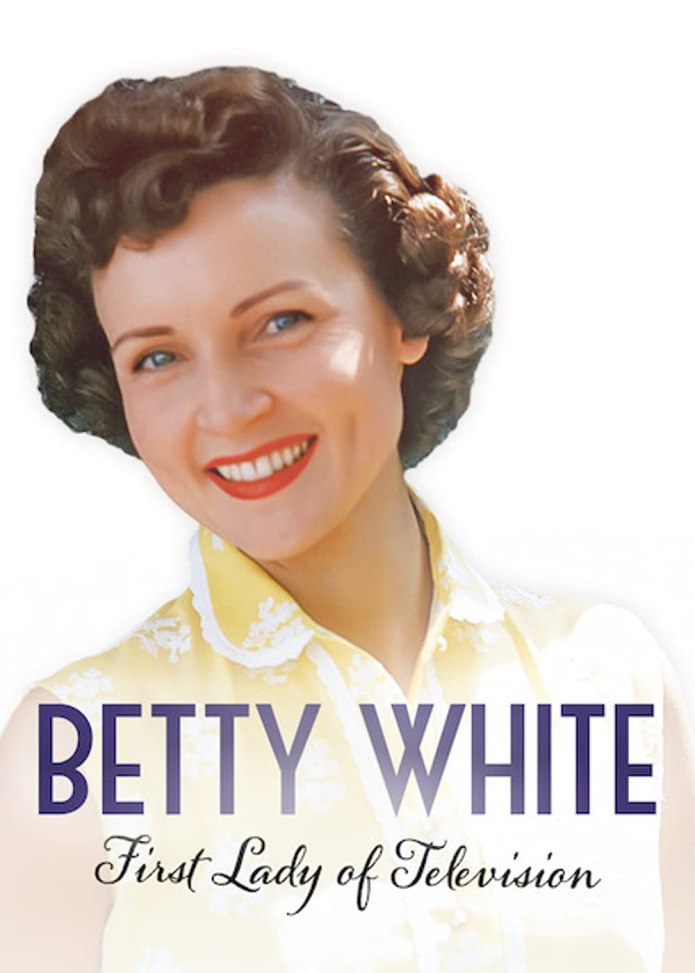
Betty White: First Lady of Television (2018)

DailyView: Day 248, Movie 346

Betty White passed away on New Years Eve 2021, just three weeks away from her 100th birthday, and the world felt the loss. I’m not sure there was a more beloved figure of the past 20 years than Betty White. So in honor, I wanted to watch something for the DailyView featuring Betty. However, I had seen Lake Placid and The Proposal, a few of the other films with Betty in it was real low on the Tomatometer, and the choices were limited.

That was when I found this documentary from 2018 on Netflix called Betty White: First lady of Television and it was perfect.

The doc looked back on Betty’s life from her early days, including talking about a TV show I had never heard of, called Life With Elizabeth. Of course, the doc spent more time on Mary Tyler Moore, The Golden Girls and Hot in Cleveland, which the iconic actress starred.

It talked about Betty’s love of game shows and games and how that love of games shows, in particular, Password led to her meeting and falling in love with Allen Ludden, the host of Password.

The doc talked about how Betty was able to reinvent herself, after appearances on The Roast of William Shatner and SNL into someone who was known for saying outrageous things. She became more than just another sitcom star. She became an icon.

The number of “talking heads” that they got to come on this doc and say how much they loved Betty was like a who’s who including Ryan Reynolds, Valerie Bertinelli, Tina Fey, Alex Trebek, Carl Reiner, Georgia Engel, Gavin MacLeod, Tom Sullivan and Mary Tyler Moore.

They touched on Betty’s love of animals, which could probably be an entire doc on its own. They showed a clip of Betty at a zoo hand feeding a grizzly bear that sat beside her and put its head on her shoulder. It was amazingly charming.

And that was what Betty White was, charming. She spent decades on the TV screen, entertaining us with her wit and her comedy, her musical ability and her presence. She truly was one of a kind.

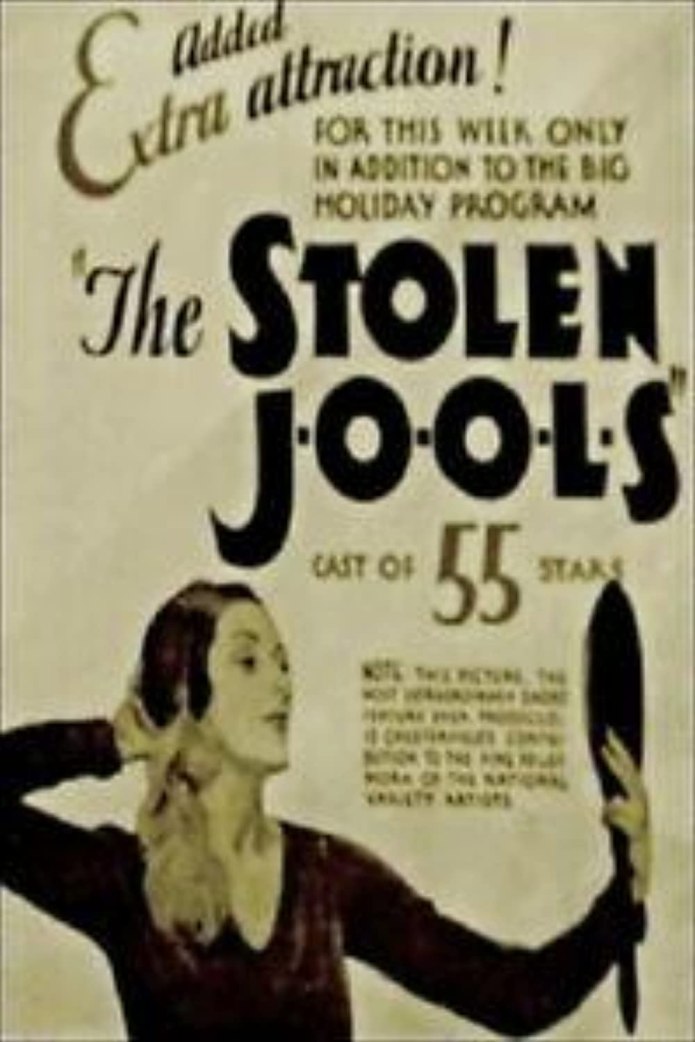
The Stolen Jools (1931)

DailyView: Day 247, Movie 345

I took a time out from binge watching Cobra Kai season 4 to get the DailyView completed. I pulled out one of the comedy shorts from 1931 that I thought was just a Laurel and Hardy short. However, it turned out that Laurel and Hardy only had a small bit in this film, as did a bunch of other celebrities of the time.

The Stolen Jools was a thinly veiled story about some missing jewels from Norma Shearer that had been stolen from a Ball the night before. Inspector Kane (Eddie Kane) was in search for the perpetrator.

And that was it, basically.

This twenty minute short had a whole bunch of stars together intended to raise funds for the National Variety Artists tuberculosis sanatorium, produced in association with a cigarette company.

The list of celebrities included Laurel & Hardy, Buster Keaton, Fay Wray, Edward G. Robinson, The Little Rascals, George E. Stone, Hedda Hopper, Gary Cooper, Douglas Fairbanks Jr, Loretta Young, Charles Butterworth, Barbara Stanwyck, Gabby Hayes, Mitzi Green, Richard Dix, Fifi D’Orsay, George Sydney, Joan Crawford, Dorothy Lee, Warner Baxter, Bert Wheeler, Irene Dunn, Claudia Dell, Skeets Gallagher, Buddy Rogers, Bebe Daniels, Frank Fay, Little Billy Rhodes, Wynne Gibson among others.

It is amazing to see all of the biggest celebrities of the time involved in this project. It makes one wonder what they could do today.

The film is more of a Who’s who than a story, but it was fun tying to suss out which actor was which.

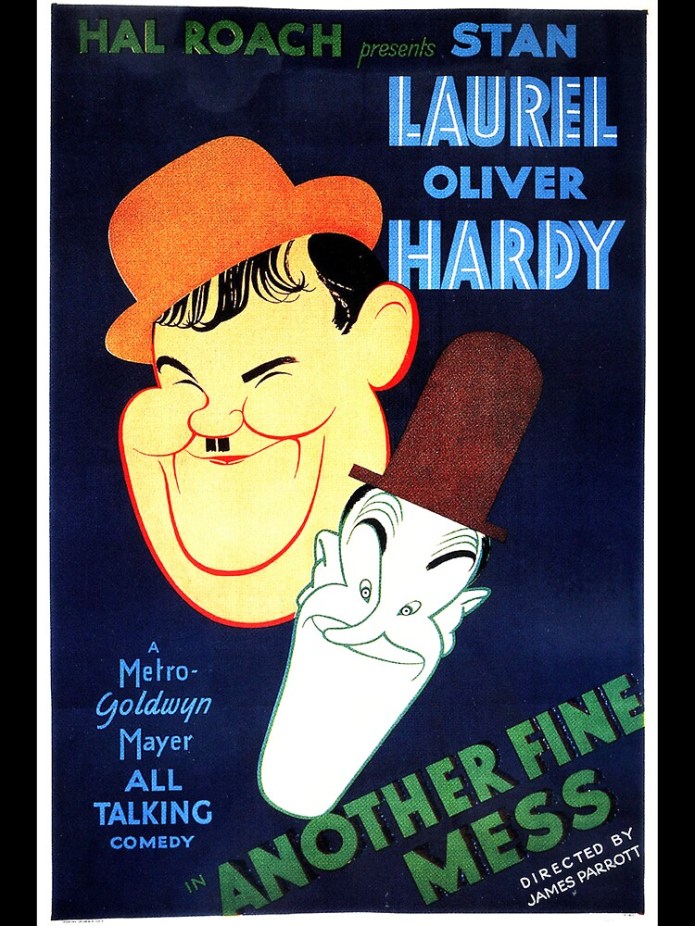
Another Fine Mess (1930)

DailyView: Day 246, Movie 344

We travelled back to 1930 for the next short, but this is no longer the silent variety as we saw with Charlie Chaplin or Buster Keaton. This short stars EYG Hall of Famers Stan Laurel and Oliver Hardy.

Another Fine Mess started off with Laurel and Hardy being chased by a police officer whom Stan had insulted in the park. They hid out in a fancy estate owned by Col. Wilburforce Buckshot (James Finlayson). Col. Buckshot is heading on a trip and is trying to rent out his home. Stan and Ollie wind up taking the position of Buckshot and a butler (and eventually a maid) after Buckshot had left. When Lord Leopold Ambrose Plumtree (Charles K. Gerrard) arrived with his new wife (Thelma Todd), Stan and Ollie had to assume these roles to avoid being caught.

Laurel and Hardy are funny, and they know what they do well. I did think that there was too many pratfalls by Stan and there were a few jokes that were run into the ground (especially Lord Plumtree’s laugh), but when the comedy worked, it was very funny. I would say that Laurel and Hardy’s bits worked more often than not.

There was a reliance on dialogue in this film, which was not common for Laurel and hardy films. I welcomed it as I found that it was funnier, in my opinion, than a lot of the physical slapstick that was on display here. It will be interesting to compare this to other Laurel and Hardy shorts moving forward.

I enjoyed the ending of the film as it felt like one of the funniest bits from the physical comedy in the film. The image of the bicycle and who was riding it was very hilarious.

It was fun to see a different type of the early day films for the DailyView today and I am happy that Laurel & Hardy gives me another type of short to cover those days when a short film is needed.

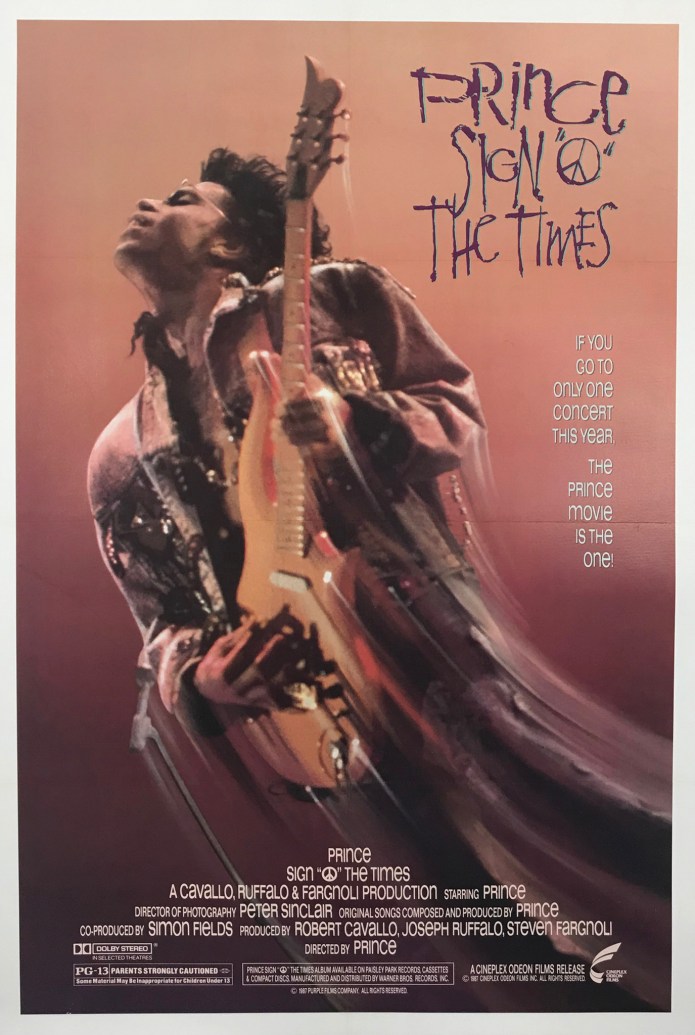
Sign ‘o’ the Times (1987)

DailyView: Day 246, Movie 343

I have not done a concert movie during the DailyView yet. Check that off the genre box. Today on Peacock, I took the time to watch Prince’s Sign ‘o’ the Times concert film.

I would not say that I was a fan of Prince. I like some of his music, particularly his earlier Purple Rain material. I was not aware of much of the album Sign ‘o’ the Times, outside of the song he did with Sheena Easton so I came into this concert film without any real expectations.

I quite enjoyed it.

The film was a lot of fun. It brought a ton of energy from Prince, and he seemed to be filled with joy (something that was not necessarily something he showed a lot of in his life). The music was exciting and filled with energy. Though a lot of it sounded alike, there were some amazing musical performances. Especially Shelia E’s amazing drum solo which just demanded your attention and powered through the middle of the film.

There are only so many shots that are available in a concert movie, which is a challenge for the filmmaker. Prince, who co-directed this with Albert Magnoli, did the best you could expect, but did not bring anything really new to the genre.

Because of this, the film will rise or fall with the music and fortunately, the music is exceptional. Well played, well performed and engaging. I bopped my head throughout the film despite not knowing many of the songs being performed.

I had a lot of fun.

Licorice Pizza

Here is another film that I’m unsure about.

I was entertained.

Yet, I had all kinds of problems with it. This is going to make it difficult for me to recommend this.

Paul Thomas Anderson has an eclectic list of films that he has directed over the years and this has that PTA feel to it.

Gary Valentine (Cooper Hoffman) is a 15-year old high school student who meets 25 (maybe 28)-year old Alana (Alana Haim) when she was at the school to do student pictures. They bond as friends and more and they spend the movie doing things around the San Fernando Valley, 1973.

One of my biggest problems with the movie was that there was really no narrative structure to it. It had a series of scenes, many of which were very entertaining, but had no narrative need for the movie. I guess the relationship between the two of them was the throughline of the story, but so many other scenes felt like distractions from that path.

Another major issue is the age difference between Gary and Alana. Alana was 25 (and at one point she slips and says that she was 28) and Gary is 15. That relationship is, at best, questionable. Neither of them are characters that I was rooting for to get together either. I actually couldn’t care less if they overcome the challenges that had been placed in their way.

Going along with this, I was unsure exactly what the passage of time was like here. I got the implication that some time had passed during the film, but I was not aware what that time was supposed to be, which caused an even more problematic situation between the two people.

There are some great actors involved here with characters that were very funny, but just show up for no apparent reason. Bradley Cooper, Sean Penn, Tom Waits, John Michael Higgins, Maya Rudolph, John C. Reilly and Benny Safdie all had scenes in the film and very few of them had any sort of resolution or purpose for being there.

For example, when Gary was at a convention type affair selling waterbeds, the police grabbed him, cuffed him and arrested him for murder. They shoved him in the car and took him to the station. They dragged another person out in front of him and he said that he wasn’t the guy. So they let Gary go. I found that irreverent and funny, but it absolutely served no purpose to the film except as a funny segue. It was never referenced again. Maybe I missed the relevance but there were a bunch of other examples just like that which made me think that the randomness of the situation is what they were going for.

Again, I was entertained by the scene, but why was it here?

I did find the performance of Alana Haim to be great. She brought the right amount of confusion and anguish as well as joy that I related to her most of all. Her character was not vey likable, so it was her acting that brought me in.

The film was around 133 minutes and that felt too long. The middle of the film meandered a lot and could have benefited from some editing. Perhaps they could have removed a scene or two of unnecessary nonsense.

Maybe the idea behind it is that the world is full of ridiculousness and when you have a chance at happiness, you should not let it get away. Maybe.

While I did enjoy the overall haphazardry of the scenes, I do not think this is a good movie. Again, I feel odd because I did find much of this movie entertaining, but I would not recommend it to anyone.

2.75 stars

Bound (1996)

DailyView: Day 245, Movie 342

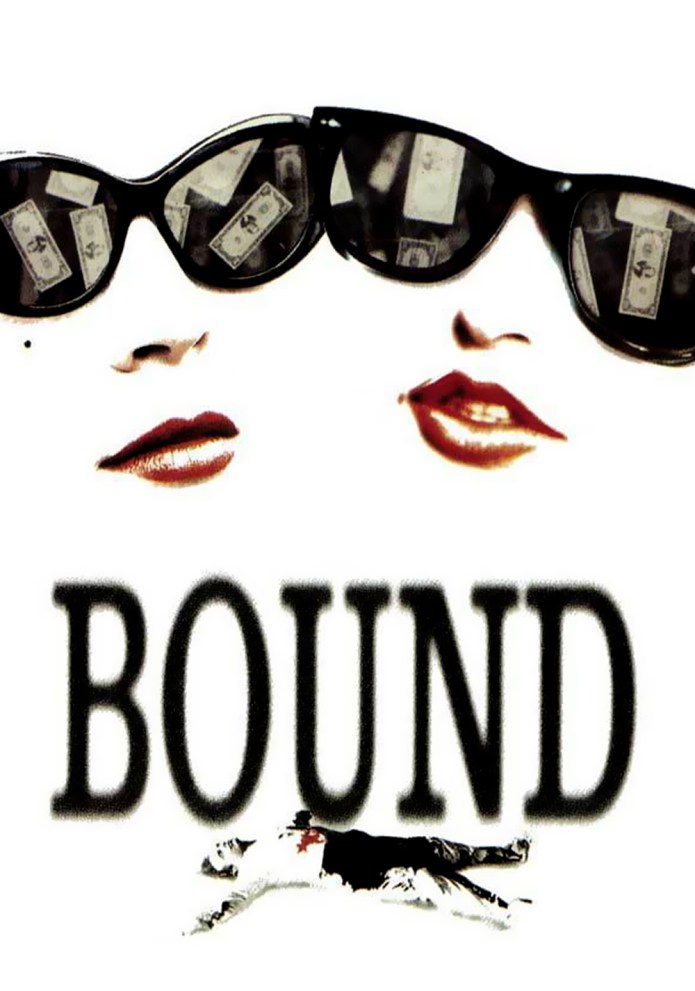
The Wachowskis became a huge success after they created and directed the original Matrix. However, prior to the Matrix, they directed another film called Bound and it was great.

We meet ex-com Corky (Gina Gershon) who comes across Violet (Jennifer Tilly), who was dating a man named Caesar (Joe Pantoliano), who was involved with the mob. Corky and Violet form a sexual connection and begin to plot together on a theft of $2 million dollars that Caesar had to clean (literally). They planned on framing Caesar for the stealing of the mob money, but their plot does not go as smoothly as planned.

This was a fun, violent and dramatic story, with several twists and turns that you do not see coming. Gina Gershon and Jennifer Tilly have great chemistry with each other and Joe Pantoliano brings the menace of Caesar to the film. These three carry the heavy load of the movie and they do it expertly.

The plot works extremely well as every step feels as if it was beautifully laid out in the story and works no matter how implausible or unexpected it should have been. Everything works story wise.

The last 45 minutes or so of the film is as batshit crazy as you can expect, with anxiety and nerves off the chart. You are never sure what is going to happen or how, or if, they surviving this plan.

The style is well done and the film leads right into the Matrix success. Good stuff.

The Naked City (1948)

DailyView: Day 244, Movie 341

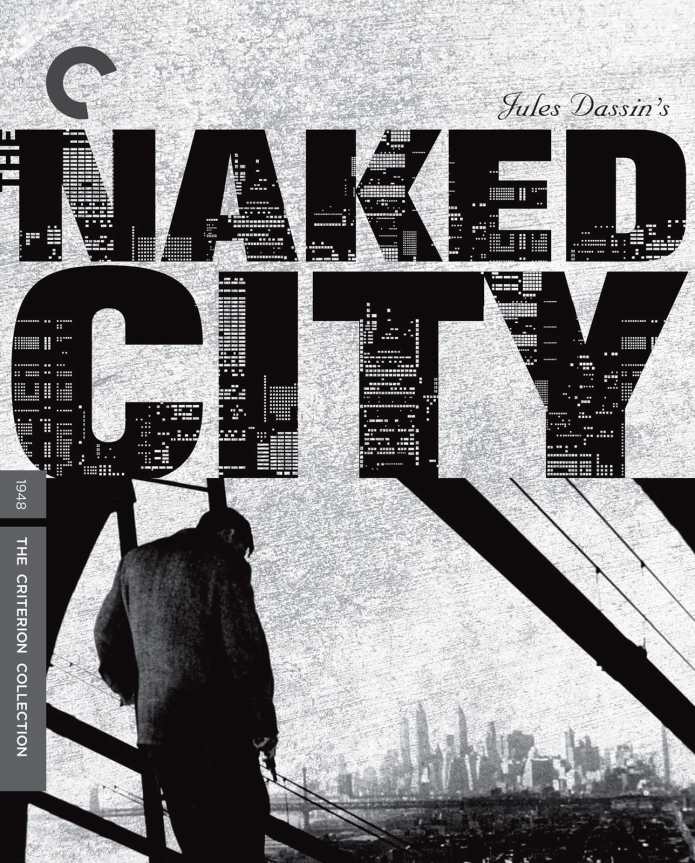
Filling the year of 1948 in the DailyView is an influential film directed by Jules Dassin that tells the story of the investigation by the police of the murder of a young model. It is most widely known because it films its scenes on the streets and building of New York City instead of on a sound stage.

The police procedural, led by Detective Lt. Dan Muldoon (Barry Fitzgerald), slowly follows the clues, many of which are small and seemingly unimportant, to solve the crime.

While it was interesting with the way they shot this movie, it led to some distinct problems. Namely, the requirement that there had to be a ton of voice over because the original shots outside the sound stage was hard to hear, I assume. Many times voices did not match lips because the sound was too low. There were other times where the sound included too much of an echo. All of this was distracting.

There was also a voice over doing narration at sporadic moments though the film. That voice made it sound like a documentary at times.

I’m going to say that some of the acting was wooden and uninteresting. Barry Fitzgerald though was a fascinating lead actor, looking unlike your typical leading man. He also had a distinct voice that helped break up the monotony of the scenes.

When the acting wasn’t wooden, it was way over the top. There did not seem to be much in the middle.

The Naked City did win two Academy Awards, but they were for technical aspects cinematography and film editing.

I was not into this movie much and I did not enjoy the story or characters much.

Mass

This was a gutpunch.

I wasn’t expecting that. I had no idea about Mass when I saw it on Vudu for rental. I recognized the title during my research for potential Oscar winners. In fact, I remembered it from seeing Ann Dowd in consideration for Best Actress. I remembered Dowd’s name from the Live Different Stroke/Facts of Life special where she was Mrs. Garrett.

This wasn’t anything like that.

This was a story of two families who had been impacted a few years before from a school shooting. Jay (Jason Isaacs) and Gail (Martha Plimpton) were the parents of one of the victims while Linda (Ann Dowd) and Richard (Reed Birney) were the parents of the shooter. They were brought together as a way to try and find a way that they could move on.

This was as uncomfortable as you could imagine it would be. The pain, the grief, the anger and resentment all still raw like an exposed nerve.

Both couples started on eggshells, as you would expect. Before the meeting had been arranged, the psychologists had prepped them to not be judgmental or to interrogate each other. The couples tried desperately to cling to those rules of meeting, but they were not having much success because they needed more.

As it moved along, things started to become more confrontational, more tense, and these actors’ performances really started to rip your heart out.

Speaking of the performances, these four actors are just amazing. With a completely dialogue/conversation driven film, it depends 100% on the actors to carry the load and to keep the engagement of the audience and these four actors do so brilliantly.

As a teacher, this topic is one that hits home very hard and this was a difficult film to watch. It was painful, but so worth it. The idea of the shooter and a victim’s parents meeting is filled with dramatic tension and scenes.

Mass was compelling and tough. Seek it out if you want to search through your emotions.

4.5 stars

A Streetcar Named Desire (1951)

DailyView: Day 244, Movie 340

1951 was a year that was missing a film in the DailyView. I found a classic to fill that missing slot giving me at least one movie every year from 1949-2020 in the binge so far. The classic that I found to fill the 1951 year was A Streetcar Named Desire.

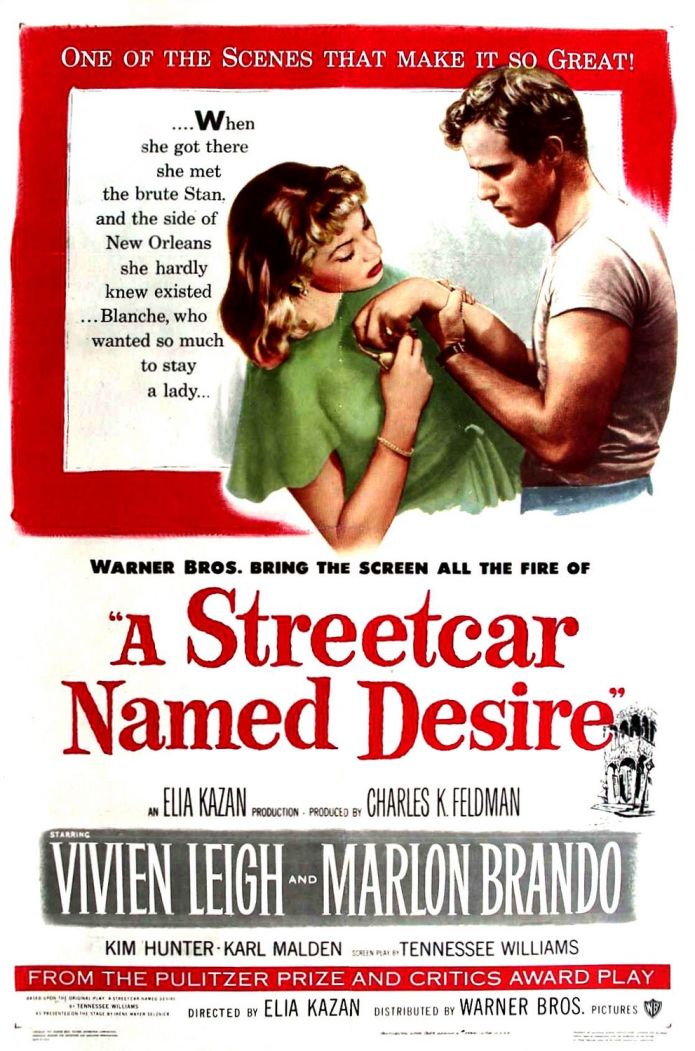
The Academy Award winning picture was adapted from Tennessee Williams’s Pulitzer Prize winning play from 1947. The film version had a definite feel of a stage play being put on screen, which helped create the mood that makes the film so special.

The film starred Marlon Brando as Stanley Kowalski, Kim Hunter as his wife Stella and Vivien Leigh as Blanche DuBois, Stella’s Southern belle sister. Blanche arrived at her sister’s home in New Orleans, a rundown apartment where she lived with Stanley. Stanley did not take Blanche well, wondering how she lost her family estate, Belle Reve.

Stanley was crude and brutish, clashing often with the more gentile, ladylike Blanche. Stella was caught between them several times which made things more dangerous, since she was pregnant.

One of Stanley’s poker playing friend, Mitch (Karl Malden) took a shine to Blanche and saw a fellow lonely soul in the Southern belle. However, when Stanley discovered the truth behind Blanche’s past, everything was blown out of the water.

This was an uncomfortable movie to watch since the physicality of Stanley (and even Mitch to a lesser extent) felt justified through much of the movie. The viciousness that he went after Blanche, (and Stella at times too) was treated as typical fashion whereas I absolutely found Stanley to be nothing more than an abuser with dreams of controlling and power. There were scenes where Stanley would fly off the handle over the littlest things and scream at the women in a manner to intimidate them. It was terrible.

It is a great performance by Marlon Brando, one that put him on the map, but the performance was terrifyingly realistic. Watching Stella cringe away from Stanley with every outburst makes me think that he was physical with her on a more regular basis than what we saw.

Karl Malden, Vivien Leigh and Kim Hunter all won Academy Awards for their roles in A Streetcar Named Desire. Brando was nominated but he did not receive the Oscar. Brando was virtually an unknown in this performance, but he went on a run of four consecutive Academy Award nominations with this one.

The black and white helped keep the tone of darkness and anxiety that was ambient throughout. You’re never quite sure what outcome was going to happen, but you could sense that it was not going to end happily.

A Streetcar Named Desire is a classic film with some powerful performances that does not allow the viewer to get comfortable at all. It deals with anger, physical abuse and mental illness all within the story and keeps you feeling confined.

Sudden Fear (1952)

DailyView: Day 243, Movie 339

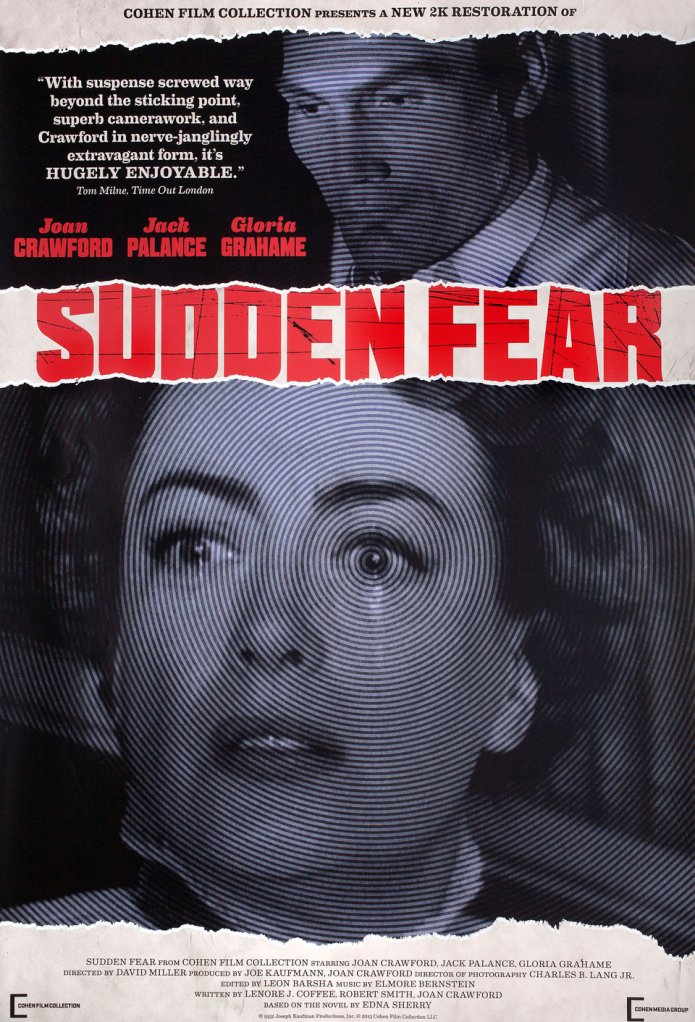
We find ourselves in the year 1952 and there is a noir thriller, filmed in black and white, that stars the iconic Joan Crawford and the one and only Jack Palance. It was called Sudden Fear and it was a film with several twists and turns.

Crawford played playwright Myra Hudson, who was casting her new play on Broadway. She had to reject actor Lester Blaine, played by Palance, as the lead. After this awkward encounter, she met him aboard the train that she was taking back to her home in San Francisco. They become close on the train and end up getting married.

However, Myra discovered that he was only in the marriage to get her money and that he and his co-conspirator/mistress Irene (Gloria Grahame) were planning on killing her and making it look like an accident. Shocked by the betrayal, Myra started her own plan to take care of the situation.

Joan Crawford is great here. She is not anybody’s fool. There are some things that she did that made me yell at the screen, which you find in most films like this. She kept most of it reasonable, but there were a few things that happened that made me immediately question why it happened, besides that the plot needed it to happen.

Jack Palance is always great, especially playing a villain. You never quite trust him from his arrival on the train until his plan is revealed to Myra and the audience.

The ambiance of the flick is very effective and the final act is filled with tension and an uncertainty of what was going to happen. The last 20 minutes or so of Sudden Fear kept my attention 100% and had me on the edge of my seat. It was a very effective thriller and, despite some questionable decisions made by characters, Sudden Fear builds to an excellent conclusion.

Man of a Thousand Faces (1957)

DailyView: Day 243, Movie 338

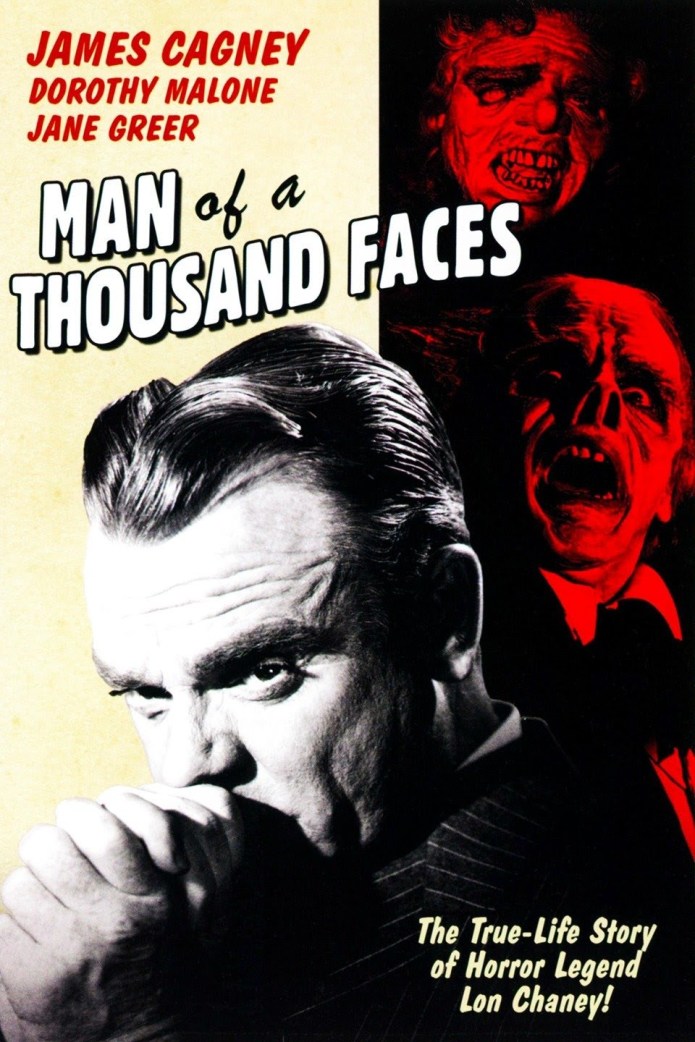
Former Vaudevillian and silent picture star Lon Chaney was known as the Man of 1000 Faces for his ability to create characters with wild made up faces and masks. He became a legend for being a “mystery man” and a horror icon.

In this biopic, Lon Chaney (James Cagney) and his life is examined from his early days as a child in a home where his father and mother were both deaf to his career in motion pictures.

The first part of the film dealt with his first marriage to Cleva (Dorothy Malone), a singer who became pregnant with Lon’s son. However, when Lon took her to meet his family, Cleva responded with anger and repulsion over Lon’s parents’ disability and she claimed that she did not want to have a baby that had this passed along to her.

I found Cleva totally horrible. I hated this character so much because of her ugliness of spirit and her ignorant mind. She was selfish and mean-spirited, even after the baby was born with his hearing. The film tried to rehabilitate the character at the end of the movie, but her cruelness in the first half did not make me think any better of her.

There were some horrible things that happened to Lon during this time frame of the film, including having the custody of his son taken by the state until he could provide a suitable home, which was another thing that I found terrible. This was the emphasis for Lon to leave Vaudeville and head to California to get work in pictures.

James Cagney is great as Lon Chaney. I believed him as the actor from the minute I saw him and he does a bunch of physical acting, including dancing, that makes him stand out and shows what a talented person Lon Chaney was.

Cleva was the character I hated most in movies this year. I had a much softer place in my heart for Norman Osborn {Spider-Man spoilers} after he killed Aunt May {End of Spoilers} than I did for this woman. There had to be some form of mental illness involved in this woman’s life that could have helped suss her out more and help the audience understand why she took the extreme steps she took instead of what we got to see.

I found this picture to be an excellent movie and I learned a lot about the life of Lon Chaney. The film may have been 10-15 minutes too long, but that is a minor gripe.

Passing

Another film that I am catching up on for the 2021 year is on Netflix and it featured Tessa Thompson and Ruth Negga in a period piece.

Thompson and Negga play old high school friends who have come back together. Both women are light skinned African American, but Thompson is married to a black doctor and Negga is pretending to be a white woman and she is married to a wealthy racist white man.

Once they meet back up, they become involved in each other’s life. Ruth Negga inserts herself into Thompson’s world in part because she missed the black culture that she had given up to pass as a white woman.

During this time, the strikingly beautiful Negga began to become close with Thompson’s husband (André Holland) and Thompson started to feel jealous as he began displaying tendencies that made Thompson suspicious and uneasy.

The performances in Passing are strong and the story flows pretty well. It is an intriguing concept that I did not know ever occurred. The film creates beautiful imagery as it is filmed in black and white, making Negga look even more like she was white. That helped create an illusion about the skin color of Ruth Negga, and her blonde hair made it all the mosre.

The ideas of the differences in race is very apparent in the movie, as the behavior of the different characters displays their feelings. Holland wants to inform his children about the dangers of living in Harlem, but Thompson wants them to stay children longer. These conversations are happening yet today in black homes and it is hard to grasp if you are white skinned.

This is a well done film that moves rapidly and has a sudden shock in the third act that will blow your mind.

3.75 stars

A Boy Called Christmas

I’m not crying, *sob* , you’re crying.

I had it in my head that this movie, A Boy Called Christmas, was an animated film instead of the live action film that it is. But I figured that I could do one more Christmas movie even though Christmas had passed.

I never anticipated this film hitting me as hard as it did.

A Boy Called Christmas is a story of hope, a story of love and a story of perseverance. It is filled with magic and mythology, packed to its brim.

Aunt Ruth (Maggie Smith) has to babysit for three precocious children whose mother was gone. Seeing that the children needed some magic, she told them a story about Nikolas (Henry Lawfull), a young lad whose mother had died and whose father (Michiel Huisman) was struggling. The village’s King (Jim Broadbent) offered a reward for anyone who could find some magic to renew hope in their land. Nikolas’s father departed with a group of other men in search of the mythical town of Elfhelm.

After awhile, as Nikolas was having troubles with his wicked Aunt Carlotta (Kristen Wiig), he took off with his mouse friend Miika (Stephen Merchant), who Nikolas had taught to speak, to try and find his father.

Nikolas met a reindeer who had been injured by an arrow, helped him out and named him Blitzen. Nikolas found the village but discovered that the elves are mad because a group of humans had kidnapped a child elf.

Nikolas took off to try and find his father and save the child.

Honestly, I am not a huge fan of Christmas. I haven’t been for years, but this film is so filled with magic and emotion that you cannot help but love it. It does take a little while to get going and I was disappointed with Kristen Wiig’s character, but once this gets underway, A Boy Called Christmas pushes all the buttons. It is a beautiful origin story for Father Christmas and it has some totally powerful and legitimately painful moments. This is not just a movie for kids. This deals with serious topics, including grief.

The wonderful Dame Maggie Smith has the best quote of the film when she said, ” Grief is the price we pay for love, and worth it a million times over” which, of course, immediately made me think of Vision’s classic quote from earlier this year, “What is grief, if not love, persevering?” These are wonderful quotes to help approach the concept of loss for kids. Something this movie does extremely well.

You can add this to Klaus as classic Christmas movies to watch on Netflix. A Boy Called Christmas is everything that is great about Christmastime.

4.5 stars